Author: Dangist
-

Homelessness will worsen due to COVID-19 outbreak—but there are solutions
Eradicating homelessness in America is possible, but it will take “political will,” according Vanderbilt University research professor and author Marybeth Shinn. “The inequality that leads some to live in mansions while others live on the streets is not an inexorable consequence of market forces; it is a consequence of social policies,” says Shinn, Cornelius Vanderbilt…
-

Tesla says cars can automatically stop for traffic lights
After testing on public roads, Tesla is rolling out a new feature of its partially automated driving system designed to spot stop signs and traffic signals. The update of the electric car company’s cruise control and auto-steer systems is a step toward CEO Elon Musk’s pledge to convert cars to fully self-driving vehicles later this…
-
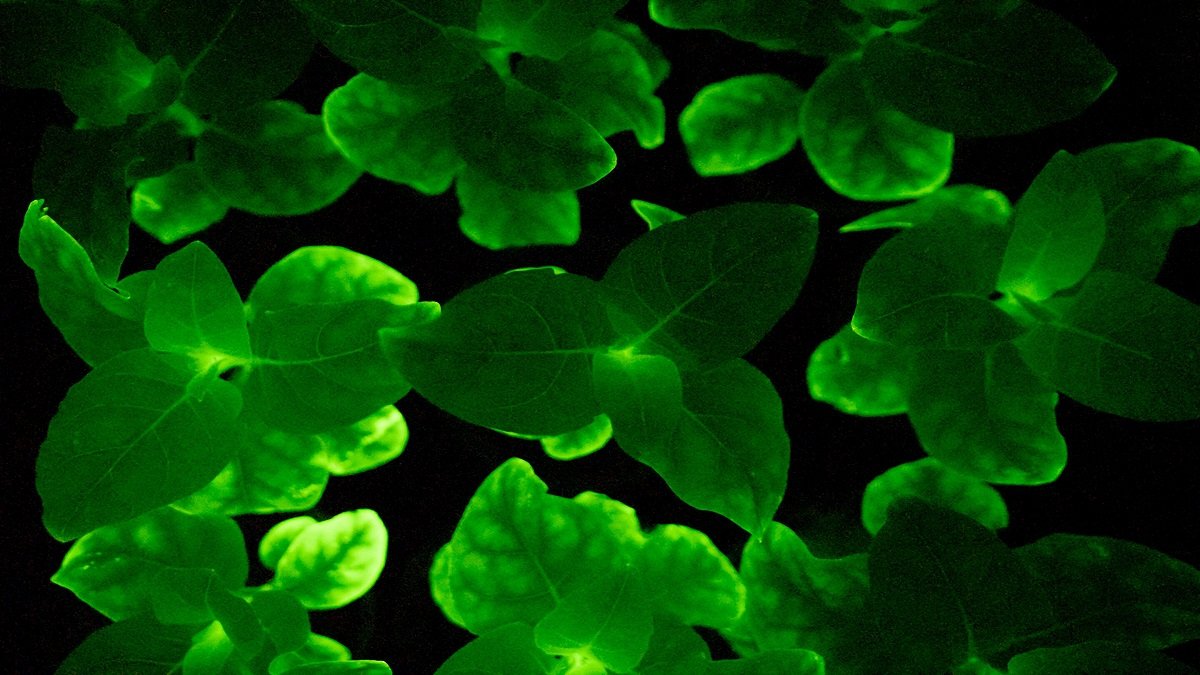
Sustainable light achieved in living plants
Fig 1. Glowing Flowers The movie Avatar evoked an imaginary world of lush bioluminescent jungles. Now the popular fascination for sustainably glowing foliage is being realized through advances in designer genetics. This week in Nature Biotechnology, scientists have announced the feasibility of creating plants that produce their own visible luminescence. The scientists revealed that bioluminescence…
-

Study analyzes contamination in drug manufacturing plants
Over the past few decades, there have been a handful of incidents in which manufacturing processes for making protein drugs became contaminated with viruses at manufacturing plants. These were all discovered before the drugs reached patients, but many of the incidents led to costly cleanups and in one instance a drug shortage. A new study…
-

New decision model shapes strategies for dealing with public health emergencies
The timely results of a long-term project help health experts with the allocation of healthcare resources Summary The efficient allocation of medical resources can be modelled mathematically. The study, which started a few years before coronavirus appeared, offers timely insights for governments and organizations who are faced with an unprecedented healthcare crisis. Specifically, it…
-
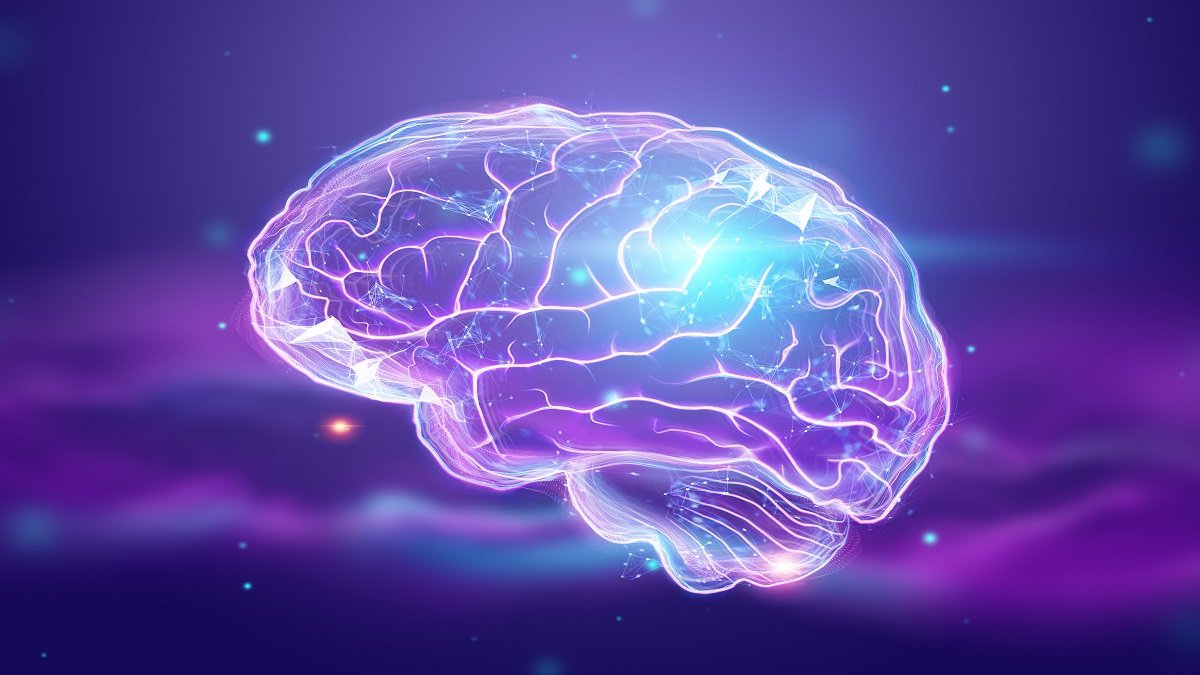
Electronics that mimic the human brain in efficient learning
Researchers advance neuromorphic computing Summary Only 10 years ago, scientists working on what they hoped would open a new frontier of neuromorphic computing could only dream of a device using miniature tools called memristors that would function/operate like real brain synapses. But now a team has discovered, while on their way to better understanding…
-

Micro-device to detect bacteria, viruses
New process improves lab-on-chip devices to isolate drug-resistant strains of bacterial infection, viruses Summary Scientists designed a next-generation miniature lab device that uses magnetic nano-beads to isolate minute bacterial particles that cause diseases. This new technology improves how clinicians’ isolate drug-resistant strains of bacterial infections and difficult-to-detect micro-particles such as those making up Ebola…
-

Infant temperament predicts personality more than 20 years later
Researchers investigating how temperament shapes adult life-course outcomes have found that behavioural inhibition in infancy predicts a reserved, introverted personality at age 26. For those individuals who show sensitivity to making errors in adolescence, the findings indicated a higher risk for internalizing disorders (such as anxiety and depression) in adulthood. The study, funded by the…
-

Google confirms it wants to release a debit card
Google is hoping you would like to have a branded debit card to go with your Google Pay account. The tech giant teamed up with Citibank and Stanford Federal Credit Union to explore what it calls “smart checking accounts,” that would be attached to a Google debit card. This will help customers “benefit from useful…
-
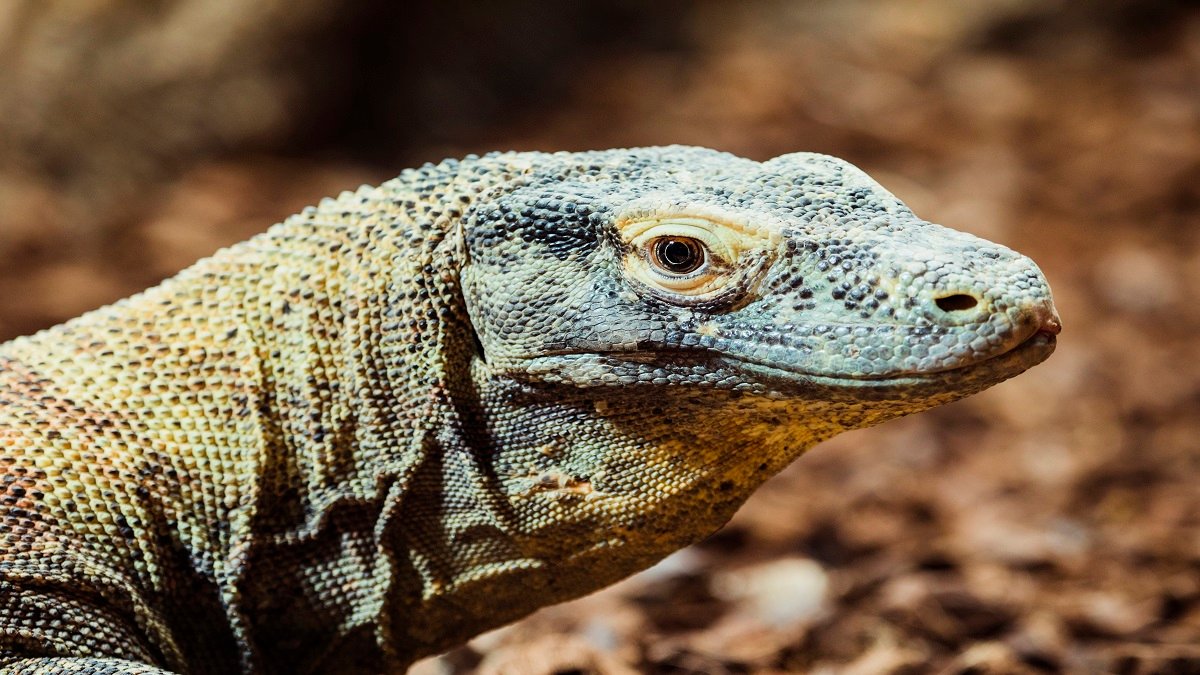
Lizards develop new ‘love language’: Animal chemical signals shift after only four generations
Fig 1. A male Podarcis erhardii, the Aegean wall lizard Relocated in small groups to experimental islands, lizards rapidly and repeatedly developed new chemical signals for communicating with each other. Free from the risk of predators and intent to attract potential mates, male lizards produce a novel chemical calling card, according to new research from…