Author: Dangist
-

Nerve finding unravels mystery about communication between the gut and brain
Scientists at Flinders University have, for the first time, identified a specific type of sensory nerve ending in the gut and how these may ‘talk’ to the spinal cord, communicating pain or discomfort to the brain. This discovery is set to inform the development of new medications to treat problems associated with gut-to-brain communication, paving…
-

A New Way To Deliver Drugs In Mofs
Fig 1. Organometallic frameworks are like sponges. They can hold very large amounts of drug, and then precisely ‘squeeze’ it out at the required time. Scientists from the Institute of Physical Chemistry of the Polish Academy of Sciences (IPC PAS) in cooperation with the Faculty of Chemistry of the Warsaw University of Technology (WUT) have…
-

Food stockpiling: Consumers should cut down food waste
More than three quarters of New Zealand’s retail food waste is being saved from landfill, in stark contrast to Kiwi households, Otago researchers say. A new study by a team of University of Otago researchers from the Departments of Food Science and Human Nutrition has found about 77 percent of food waste produced by food…
-

COVID-19: Tips for mindfulness and coping with anxiety
Amid ever-changing information around the COVID-19 pandemic, many people are experiencing heightened stress and anxiety. “Anxiety is not right, and it is not wrong. It is just part of the human experience,” says Kristin Lothman, a mind-body counselor with Mayo Clinic’s Department of Integrative Medicine and Health. “Healthy anxiety calls us into action to be…
-

Are animals vulnerable to COVID-19
While there’s no evidence so far that pets, livestock, or their owners can infect each other with COVID-19, there is also very little research about a potential crossover. The novel coronavirus started with an animal, then mutated to transfer to people, but research hasn’t yet shown if the virus has jumped back to animals, said…
-

Crowd sourced virtual supercomputer revs up virus research
Fig 1. A crowdsourcing project drawing on individual and corporate computing power worldwide has created a supercomputer to help accelerate coronavirus research. Gamers, bitcoin “miners” and companies large and small have teamed up for an unprecedented data-crunching effort that aims to harness idle computing power to accelerate research for a coronavirus treatment. The project…
-
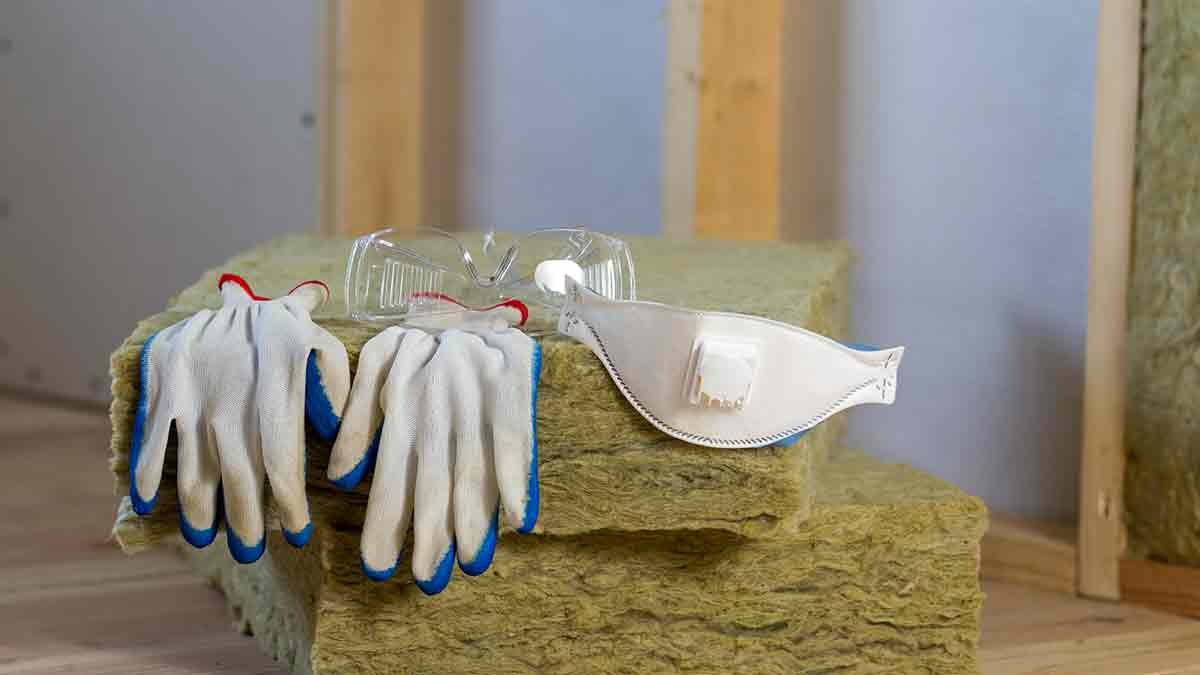
Masks, gloves don’t stop coronavirus spread: experts
Wearing masks and gloves as a precaution against coronavirus is ineffective, unnecessary for the vast majority of people, and may even spread infections faster, experts said Tuesday. While near-total lockdowns have been imposed in Italy, Spain and now France, the World Health Organization’s advice has remained unchanged since the start of the global outbreak: wash…
-

Ammonia has been missing in portraying air pollution impacts
Nitrogen is essential for all living things. Synthetic fertilizer, which contains rich reactive nitrogen, has sustained food production, but the nitrogen it emits is also a burden to the environment, such as air pollution, soil acidification, and water eutrophication. Although numerous field studies have been conducted to understand the implications of atmospheric nitrogen deposition in…
-

Research team produces new nanosheets for near infrared imaging
Fig 1. Egyptian blue: the researchers obtained the nanosheets from this powder. Egyptian blue is one of the oldest manmade colour pigments. It adorns, for instance, the crown of the world famous bust of Nefertiti. But the pigment can do even more. An international research team led by Dr. Sebastian Kruss from the Institute…
-

Drinking Tea Could Help Prevent Covid-19 Infections
According to an article, researchers from Zhejiang Provincial Centre for Disease Control and Prevention found through experiments that in cells cultured in vitro, TEA, which is rich in POLYPHENOLS, works well in killing the virus extracellularly and suppressing its intracellular proliferation. Based on this, the research team suggested that Drinking TEA could help Prevent COVID-19…