Author: Dangist
-

Young people not invincible to virus
Hundreds of millions of people worldwide kicked off the weekend under a coronavirus lockdown, as the global death toll accelerated sharply and the World Health Organisation (WHO) warned young people they were “not invincible”. The pandemic has completely upended lives across the planet, sharply restricting the movement of huge populations, shutting down schools and businesses,…
-

The right dose of geoengineering could reduce climate change risks, study says
Stratospheric aerosol geoengineering is the idea that adding a layer of aerosol particles to the upper atmosphere can reduce climate changes caused by greenhouse gases such as carbon dioxide. Previous research shows that solar geoengineering could be achieved using commercially available aircraft technologies to deliver the particles at a cost of a few billion dollars…
-
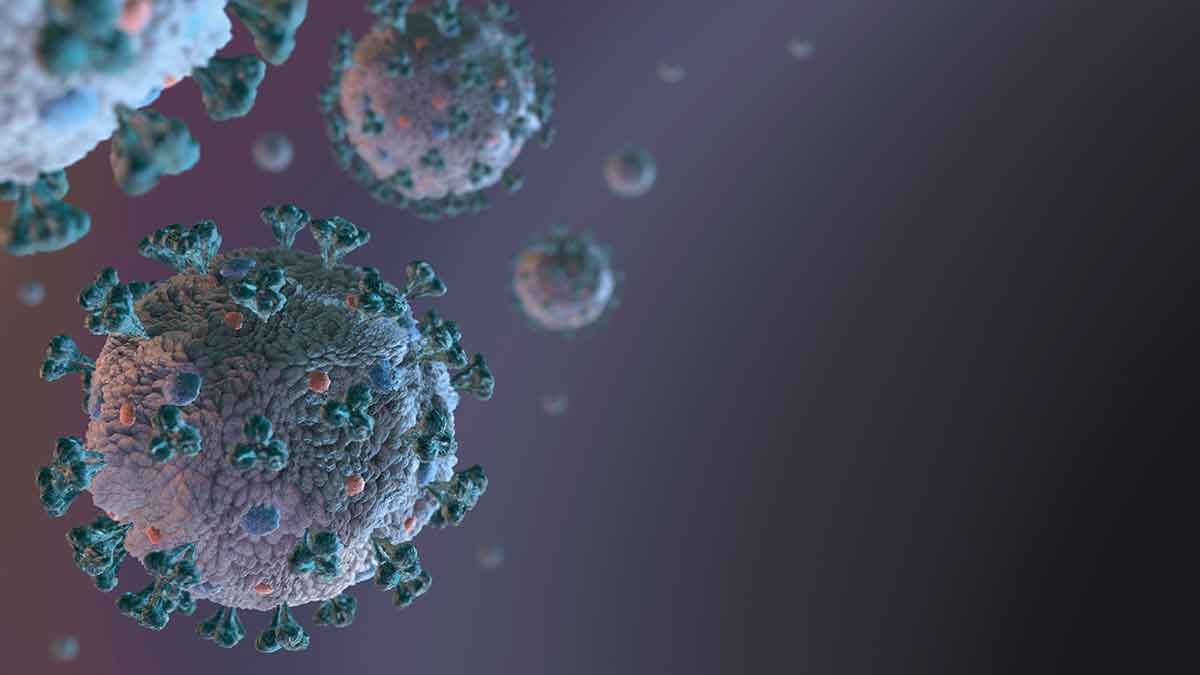
ACE inhibitors and angiotensin receptor blockers may increase the risk of severe COVID-19
Fig 1. SARS-CoV-2 Credit: Centres for Disease Control and Prevention James Diaz, MD, MHA, MPH & TM, Dr. PH, Professor and Head of Environmental Health Sciences at LSU Health New Orleans School of Public Health, has proposed a possible explanation for the severe lung complications being seen in some people diagnosed with COVID-19. The manuscript…
-
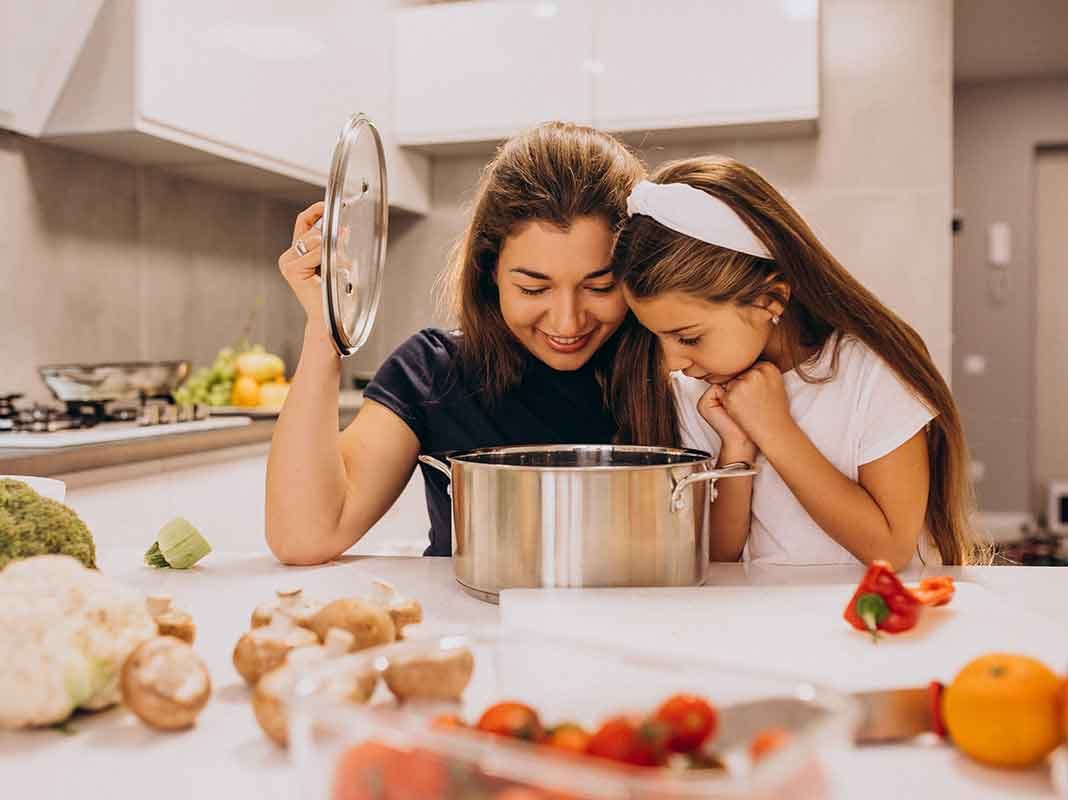
Foods that help you maintain good immune system during COVID-19
On the wake of COVID-19 pandemic, the entire human race is at threat. The initial finding suggest that people with less immunity are widely affected with the COVID-19 infection. With no cure and no vaccine to prevent the COVID-19 pandemic infection, people are left stranded to safe guard themselves with isolation. During this life threating…
-

Research shows mangrove conservation can pay for itself in flood protection
The natural coastal defenses provided by mangrove forests reduce annual flooding significantly in critical hotspots around the world. Without mangroves, flood damages would increase by more than $65 billion annually, and 15 million more people would be flooded, according to a new study published March 10 in Scientific Reports. “Mangroves provide incredibly effective natural defenses,…
-
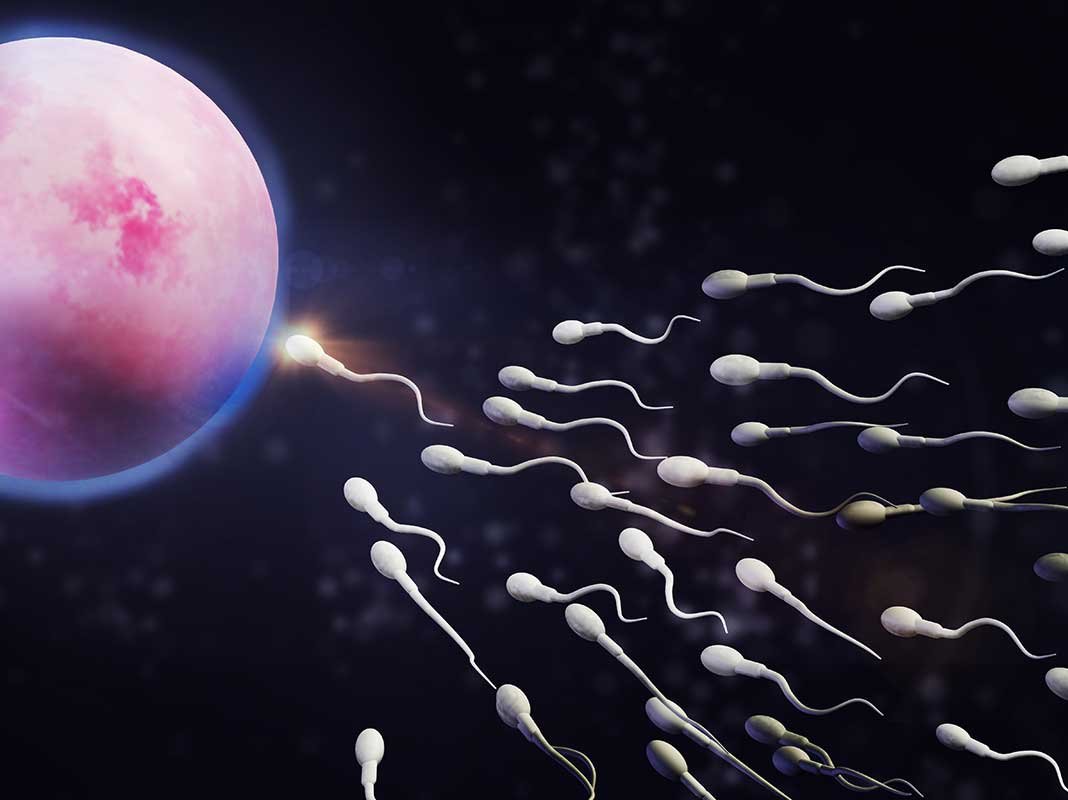
How sperm unpack dad’s genome so it can merge with mom’s
A sperm enters an egg, an embryo develops and eventually a baby is born. But back up a second—how does the mother’s half-genome actually merge with the father’s half-genome to form one new human genome? Turns out researchers don’t really know that much about these relatively brief, yet crucial, incipient moments in fertilization. Researchers at…
-
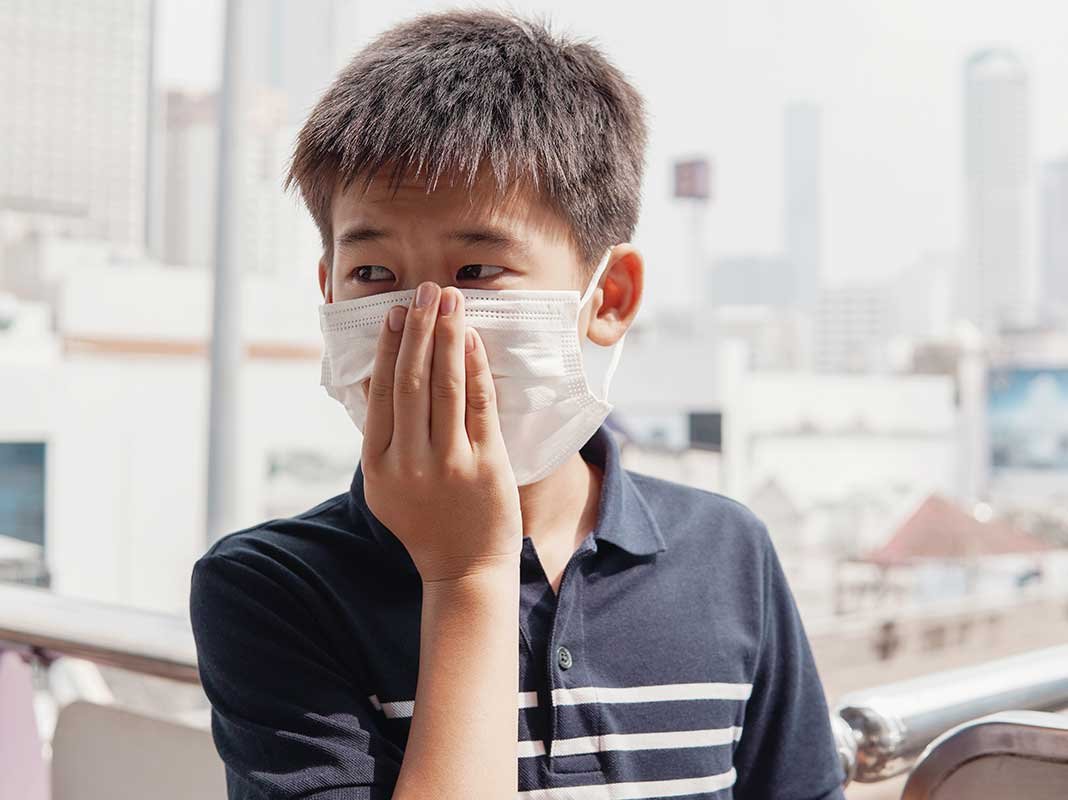
Can poor air quality make you gain weight?
Study shows pollution harms gut bacteria, contributes to diabetes, obesity A new study links air pollution to changes in the human gut microbiome which could fuel diabetes, obesity and inflammatory bowel diseases like colitis and Crohn’s disease. Breathing dirty air takes a heavy toll on gut bacteria, boosting risk of obesity, diabetes, gastrointestinal disorders…
-

Heat stress may affect more than 1.2 billion people annually by 2100
Heat stress from extreme heat and humidity will annually affect areas now home to 1.2 billion people by 2100, assuming current greenhouse gas emissions, according to a new study. That’s more than four times the number of people affected today, and more than 12 times the number who would have been affected without industrial…
-
How plants sound the alarm about danger
Just like humans and other animals, plants have hormones. One role of plant hormones is to perceive trouble—whether an insect attack, drought or intense heat or cold—and then signal to the rest of the plant to respond. A multicentre team led by current and former investigators from the Salk Institute is reporting new details about…
-

At 8 months, babies already know basic grammar
Even before uttering their first words, babies master the grammar basics of their mother tongue, according to new research. Even before uttering their first words, babies master the grammar basics of their mother tongue. Thus eight-month-old French infants can distinguish function words, or functors — e.g. articles (the), personal pronouns (she), or prepositions (on)…