Author: Dangist
-
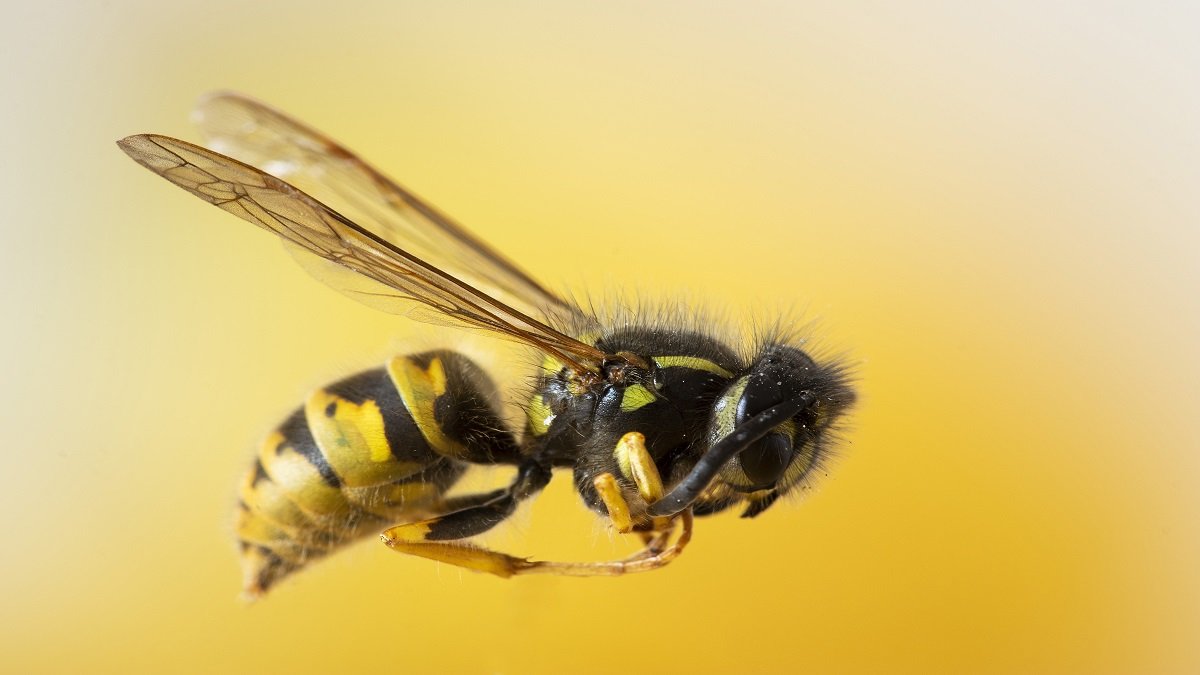
Honeybee lives shortened after exposure to two widely used pesticides
Summary The lives of honeybees are shortened — with evidence of physiological stress — when they are exposed to the suggested application rates of two commercially available and widely used pesticides. In a study published in the journal PLOS ONE, honeybee researchers in OSU’s College of Agricultural Sciences found detrimental effects in bees exposed…
-
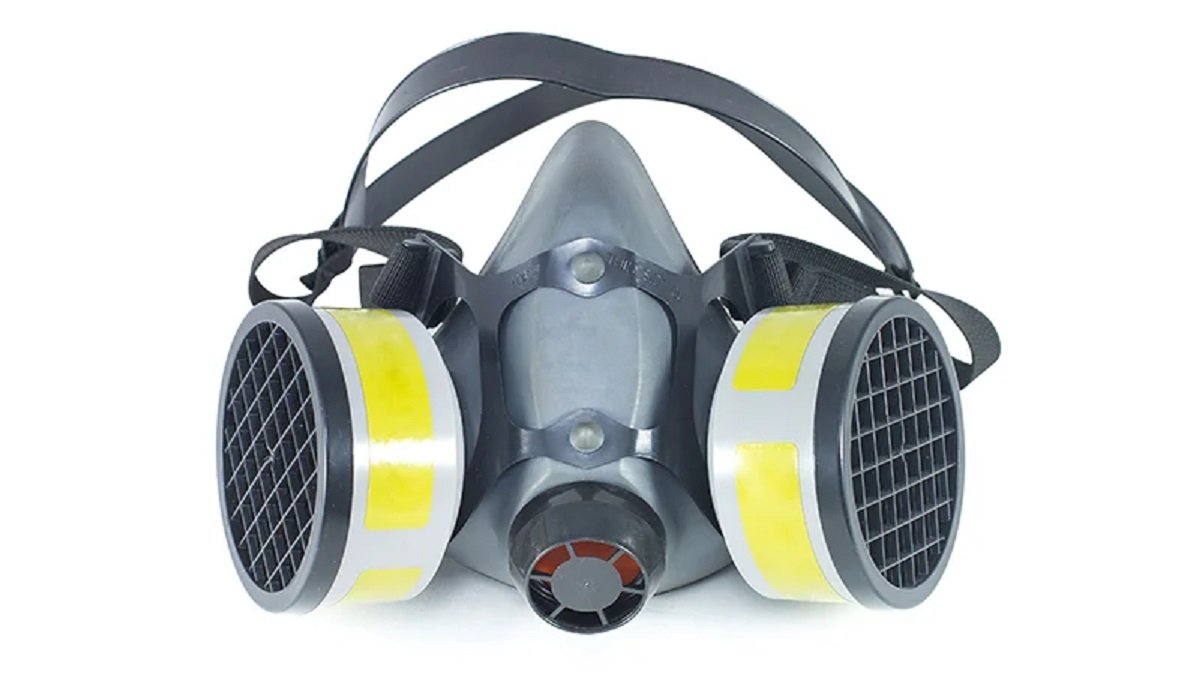
Elastomeric masks provide a more durable, less costly option for health care workers
Summary A cost-effective strategy for health care systems to offset N95 mask shortages due to COVID-19 is to switch to reusable elastomeric respirator masks. Fig 1. Elastomeric mask (Model) The study is one of the first to evaluate the cost-effectiveness of using elastomeric masks in a health care setting during the COVID-19 pandemic, said…
-

A vitamin A analogue may help treat diabetic retinopathy
Summary Diabetic retinopathy is a common complication of diabetes and a leading cause of blindness among the working-age population. A new study reports that visual function in diabetic mice was significantly improved after treatment with a single dose of visual chromophore 9-cis-retinal, a vitamin A analogue that can form a visual pigment in the…
-

Breastfeeding helps counteracts BMI gain in children at high risk for obesity
Exclusive breastfeeding has long-term effects on body mass index Summary For people whose genes put them at risk of becoming obese, exclusive breastfeeding as a baby can help ward off weight gain later in life. Laurent Briollais of Mount Sinai Hospital and the University of Toronto and colleagues report these findings in a…
-

Human embryo-like model created from human stem cells
Scientists from the University of Cambridge, in collaboration with the Hubrecht Institute in The Netherlands, have developed a new model to study an early stage of human development, using human embryonic stem cells. Fig 1. Image analysis of human gastruloid showing ‘anteroposterior’ patterning. Green is a posterior part similar to the tail-end of an embryo,…
-
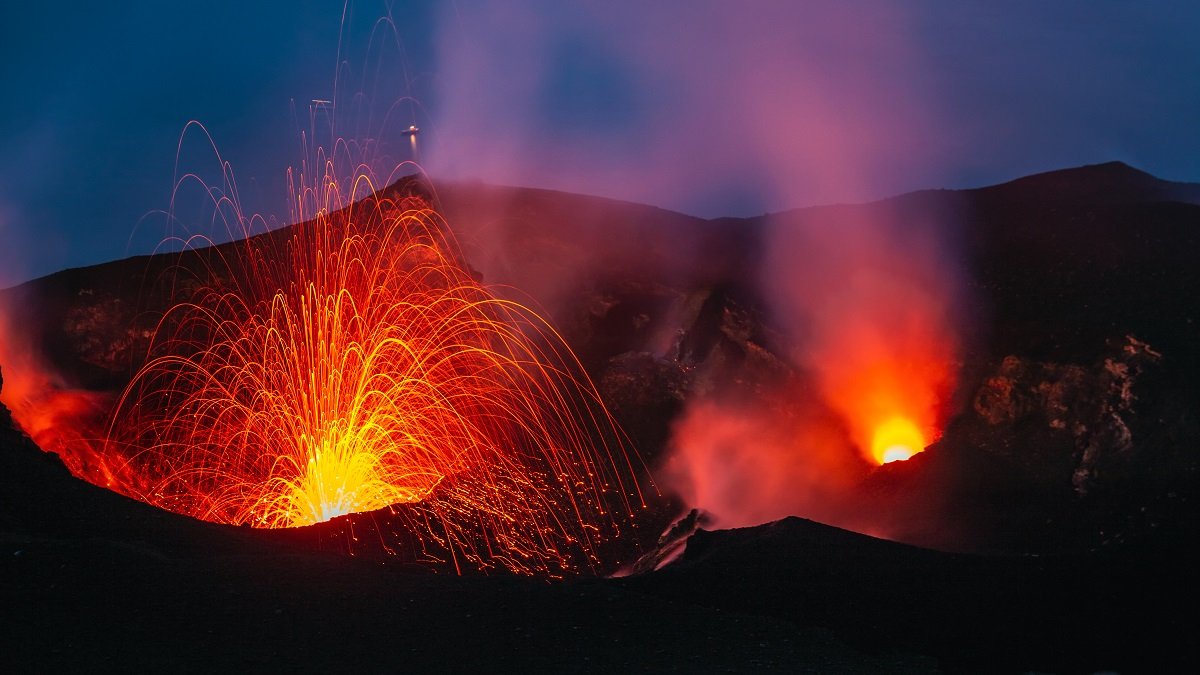
Volcanic activity and changes in Earth’s mantle were key to the rise of atmospheric oxygen
Oxygen first accumulated in the Earth’s atmosphere about 2.4 billion years ago, during the Great Oxidation Event. A long-standing puzzle has been that geologic clues suggest early bacteria were photosynthesizing and pumping out oxygen hundreds of millions of years before then. Where was it all going? Summary Evidence from rocks billions of years old…
-

Could face shields replace masks in preventing COVID-19?
Face masks help prevent the spread of COVID-19, but some people find them awkward, uncomfortable, or downright unbearable to wear. There is another good option available for people who just cannot get used to strapping on a face mask while out in public, experts say. Plastic face shields offer another means of deterring COVID-19 that…
-

Mangrove trees will not survive sea-level rise by 2050 if emissions are not cut
Scientists explored how the valuable ecosystems responded to rising seas in the past Summary Mangrove trees — valuable coastal ecosystems found in Florida and other warm climates – will not survive sea-level rise by 2050 if greenhouse gas emissions are not reduced, according to a new study. Using sediment data from the last 10,000…
-

How To Remove Pesticide Residue From Vegetables And Fruits
Although most contaminants are washed away simply with cold water, there are some more ways to ensure that fruits and vegetables do not have pesticide residue. In the post Covid-19 world, there is an increased awareness around food safety and other such associated concerns. These stem from the need to maintain proper sanitation and hygiene,…
-
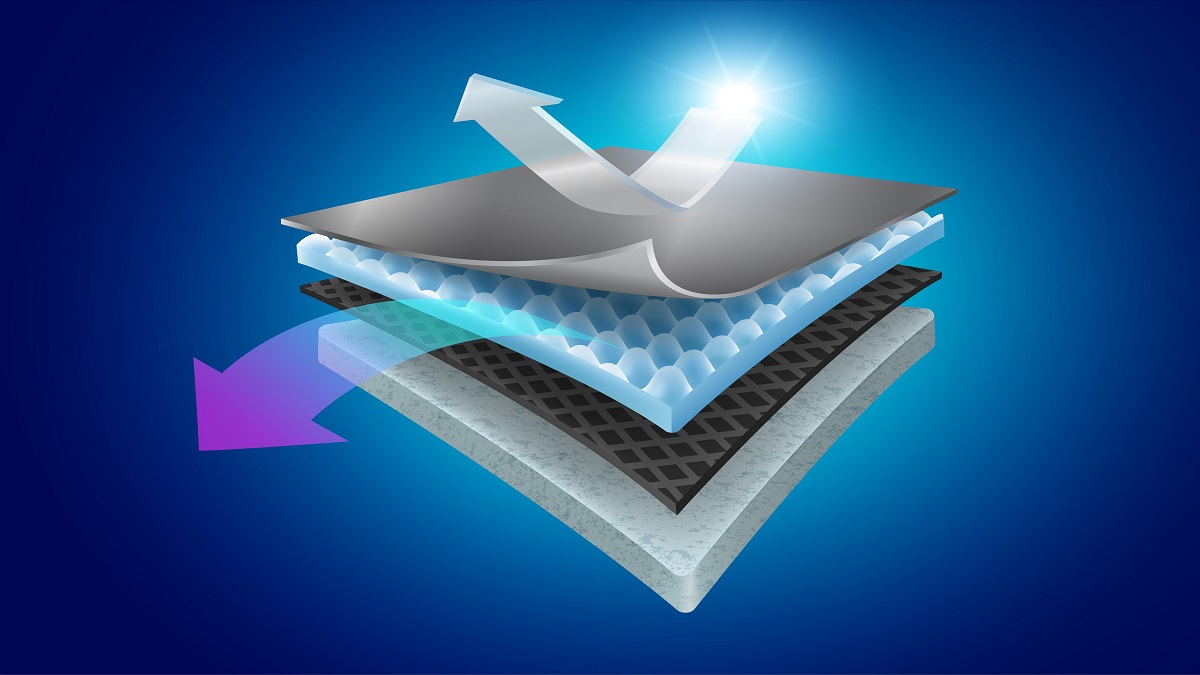
Scientists develop the most heat-resistant material ever created
A group of scientists from NUST MISIS developed a ceramic material with the highest melting point among currently known compounds. Due to the unique combination of physical, mechanical and thermal properties, the material is promising for use in the most heat-loaded components of aircraft, such as nose fairings, jet engines and sharp front edges of…