










Acidity Home Remedies: 9 Fast Proven Ways to Stop Heartburn Naturally
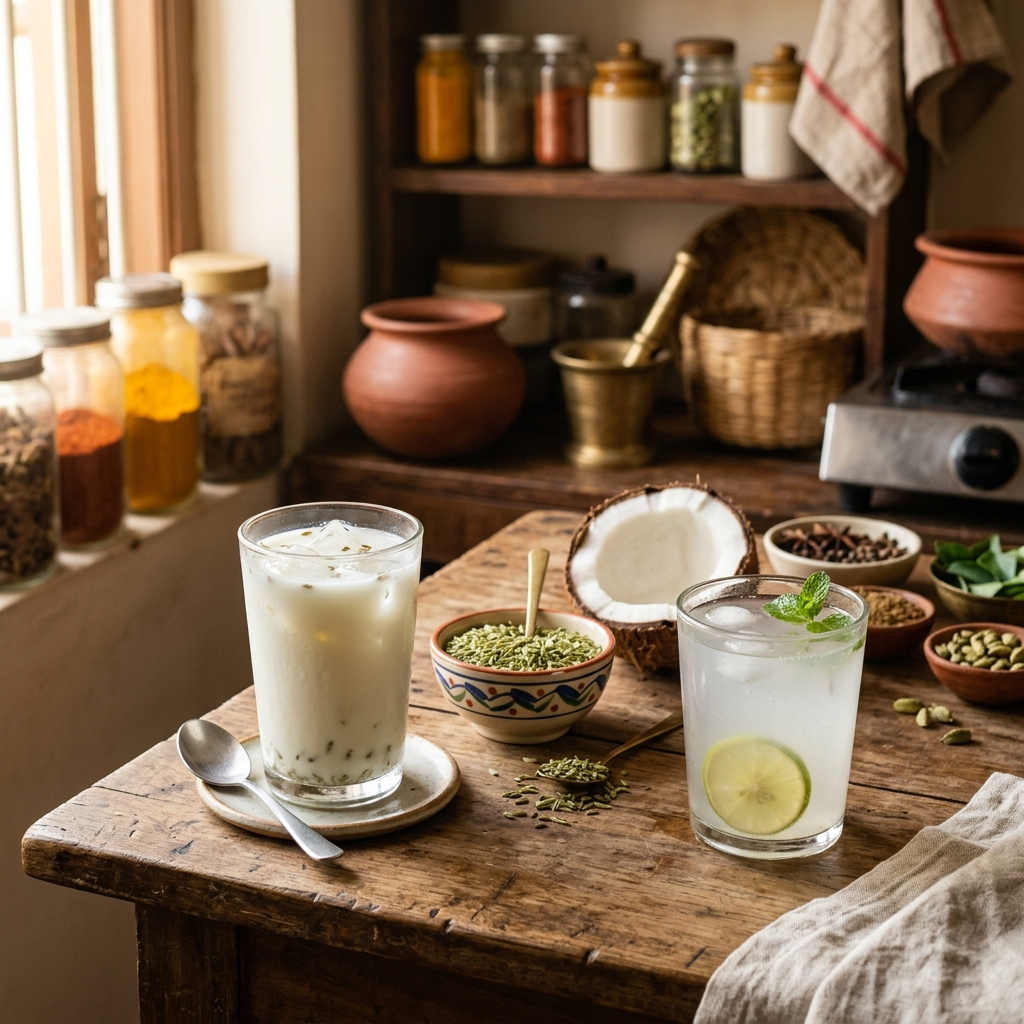
The fastest home remedy for acidity is a glass of cold milk or a teaspoon of fennel (saunf) chewed slowly after meals. Roughly 20–30% of urban Indian adults report weekly heartburn, and the proven acidity home remedies below cover simple kitchen fixes that work within 15–30 minutes. If you get symptoms more than twice a week, or have difficulty swallowing, see a doctor — that pattern needs medical assessment, not just home treatment.
What Causes Acidity?
Acidity — medically called acid reflux or heartburn — happens when stomach acid flows upward into the food pipe (oesophagus). A muscular valve called the lower oesophageal sphincter (LES) normally keeps acid down. When it relaxes at the wrong time, or when stomach pressure pushes acid past it, you feel the characteristic burning behind the breastbone.
Common triggers, according to NIDDK and clinical reviews:
- Large, late or fatty meals — a full stomach pushes acid upward while lying down multiplies the effect.
- Tea, coffee and carbonated drinks — caffeine relaxes the valve.
- Spicy and fried foods — irritate the oesophageal lining directly.
- Obesity and tight clothing — abdominal pressure forces acid upward.
- Smoking and alcohol — both weaken the sphincter and stimulate acid output.
- Certain medicines — painkillers (NSAIDs), some blood pressure pills and antibiotics.
- Stress and irregular meals — increase acid secretion and slow stomach emptying.
9 Acidity Home Remedies That Actually Work
The best acidity home remedies are ranked below by speed and evidence quality. They work for occasional, mild heartburn — not for chronic reflux disease, which needs a doctor.
- Cold milk (fastest, 5–15 minutes). Milk temporarily buffers stomach acid and coats the oesophagus. Use plain, cooled milk — not tea-laden or flavoured milk, since sugar and caffeine can worsen reflux later.
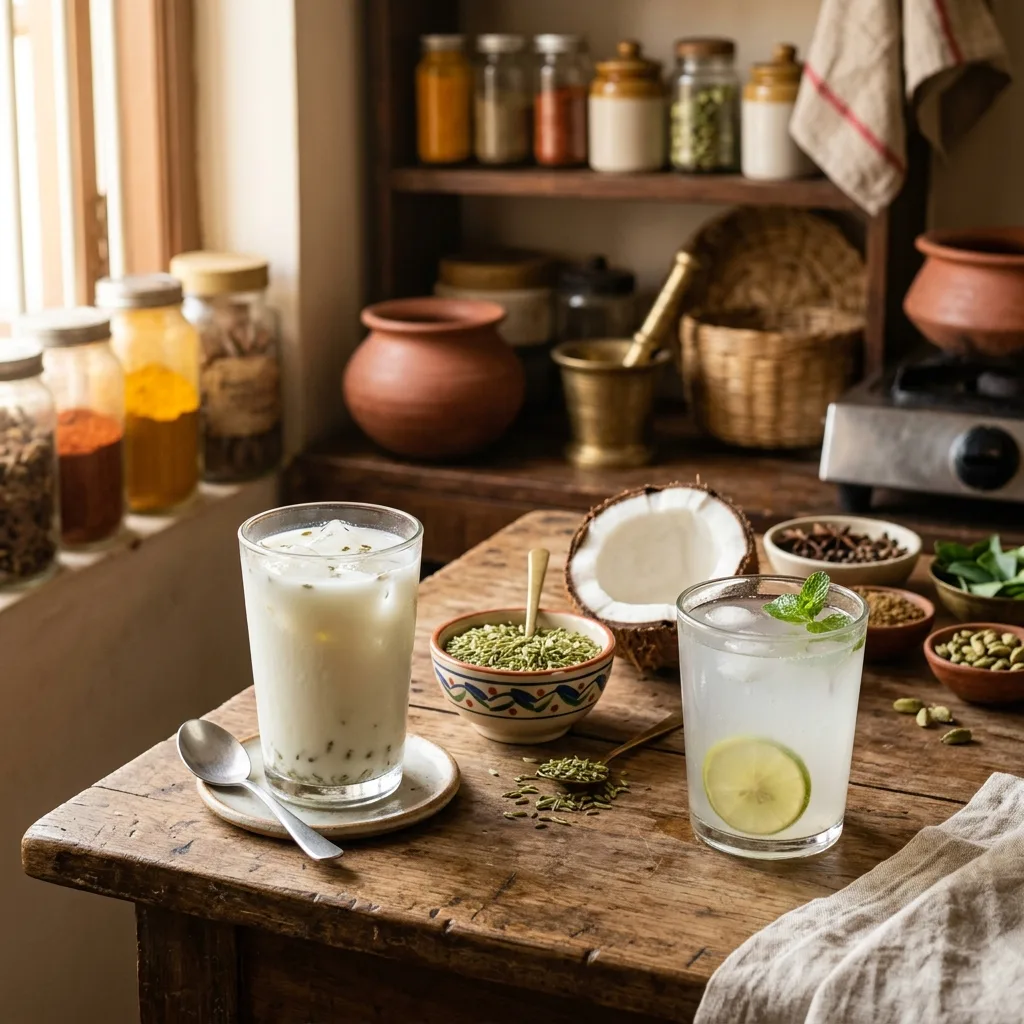
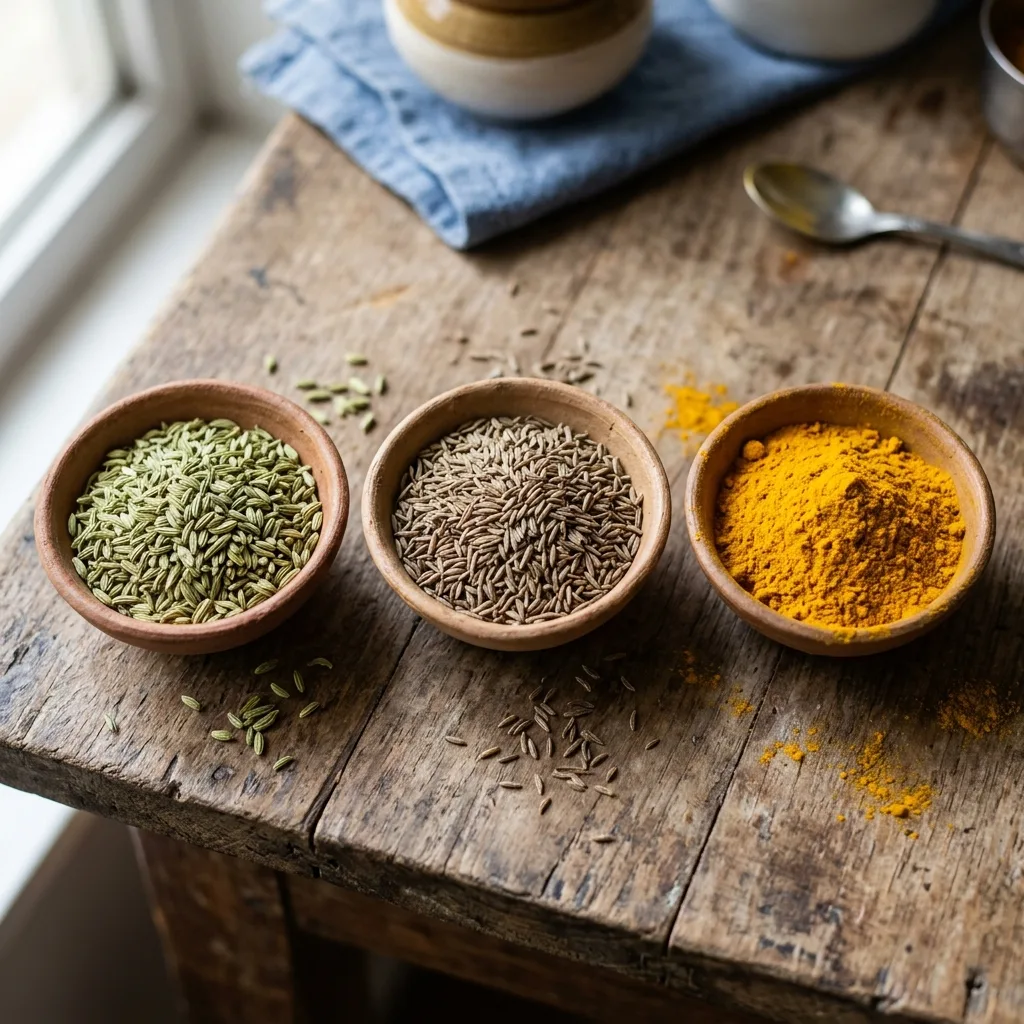
- Fennel seeds (saunf). Chewing half a teaspoon after meals is a traditional Indian practice with real mechanism: fennel contains compounds that relax stomach spasms and stimulate digestion. Keep a small jar at your desk.
- Cold water sip. Dilutes stomach acid and washes refluxed acid back down. Simple but effective for a burning throat.
- Coconut water. Naturally alkaline and cooling. Half a glass during an episode can settle the stomach without adding fat.
- Cold milk with a pinch of turmeric — the classic haldi doodh. Turmeric’s anti-inflammatory curcumin may add benefit, though evidence for reflux specifically is limited.
- Small frequent meals. An underfilled stomach produces less acid pressure than a bloated one. Five small meals beat three large ones for reflux sufferers.
- Elevate the head of your bed 10–15 cm. Gravity keeps acid down at night. Extra pillows do not work — they bend your neck. Raise the bed frame or use a wedge pillow.
- Stay upright 2–3 hours after eating. Lying down within an hour of eating is the single strongest trigger for night-time reflux.
- Avoid trigger foods for 2 weeks. Track and remove: coffee, cola, chocolate, mint, fried snacks, excessive chilli, and citrus. Then reintroduce one at a time to identify personal triggers.
What to Drink for Acidity Relief
| Drink | Effect | Best time |
|---|---|---|
| Cold plain milk | Buffers acid fast | During an episode |
| Coconut water | Alkaline, cooling | Anytime, especially summer |
| Cold buttermilk (chaas) | Aids digestion, cooling | With or after meals |
| Jeera (cumin) water | Reduces gas and bloating | After meals |
| Warm water with honey | Soothes throat irritation | When acid burns the throat |
| Chamomile tea | Relaxes the gut | Before bed (caffeine-free) |
| Mint tea | Avoid — can worsen reflux | — |
Note the last row: peppermint, often assumed to soothe, actually relaxes the valve and can worsen reflux in many people.
Foods to Eat and Avoid With Acidity
| Safe choices | Foods to limit |
|---|---|
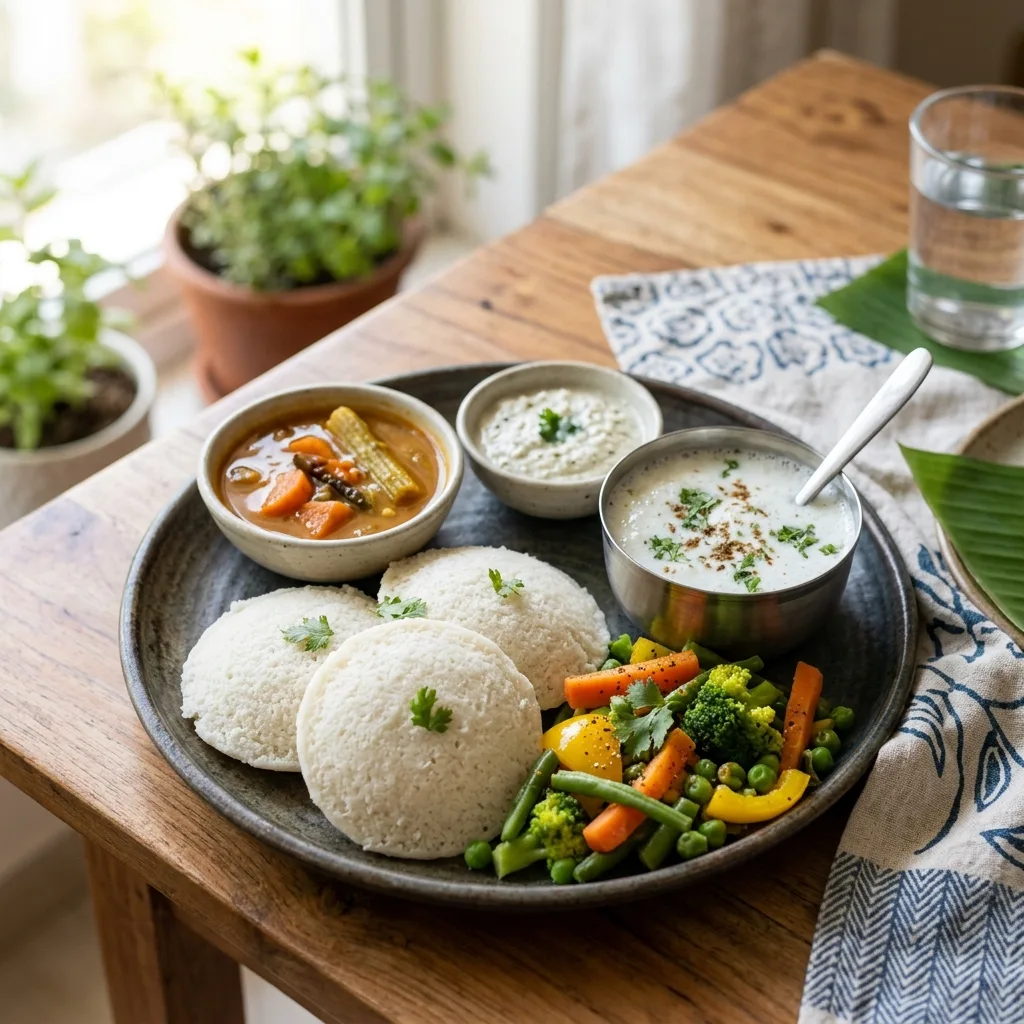
| Oats, rice, idli, dosa (less oil) | Fried snacks (samosa, pakora, chips) |
| Boiled or steamed vegetables | Tomato-heavy gravies and ketchup |
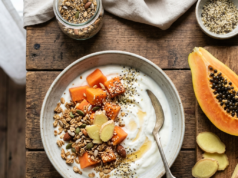
| Bananas, melons, papaya | Citrus fruits on an empty stomach |
| Lean chicken, fish (grilled) | Red meat and heavy curries |
| Ginger (in cooking or tea) | Raw onion and garlic in excess |
| Herbal teas (chamomile, ginger) | Chocolate, coffee, alcohol |
The goal is not a permanent bland diet — it is a 2-week reset, then controlled reintroduction. Most people find they can eat moderate amounts of “trigger” foods once their baseline improves, as long as portions stay small.
Immediate Acidity Relief at Night: A 3-Step Emergency Protocol
Night-time reflux is the most disruptive form. When you wake up burning:
- Sit up or stand. Do not lie back down for at least 30 minutes. Gravity is your fastest remedy.
- Sip cold milk or cold water slowly — about half a glass over 10 minutes. Gulping introduces air and worsens bloating.
- If available, chew a calcium-based antacid from your medicine box. It neutralises acid within minutes and is safe for occasional use.
Then prevent the next episode: no food within 3 hours of bedtime, and elevate the bed head. If night attacks happen weekly, you likely need a medical evaluation rather than home treatment alone.
Acidity vs GERD: When Home Remedies Are Not Enough
Occasional heartburn after a heavy meal is normal — most adults experience it monthly. The problem becomes medical when it becomes GERD (gastro-oesophageal reflux disease): reflux occurring more than twice a week, or causing complications.
See a doctor if you have any of these:
- Heartburn more than 2 times per week despite home remedies
- Difficulty or pain when swallowing
- Vomiting blood or black stools
- Unexplained weight loss
- Chest pain (rule out the heart first — reflux and cardiac pain overlap)
- Chronic cough, hoarseness or asthma flare-ups linked to meals
Long-standing untreated reflux can cause oesophagitis, strictures and Barrett’s oesophagus — a precancerous change. Doctors may prescribe PPIs (like omeprazole or pantoprazole) for 4–8 weeks, which are far more effective than home remedies for established disease. The two approaches are not competitors: home remedies prevent episodes, medicine treats the underlying acid overproduction.
Lifestyle Changes That Cut Acidity by Half
According to NIH guidance and clinical practice, weight and timing matter more than any single food:
- Lose 5–10% of body weight if overweight. Even modest loss reduces abdominal pressure on the stomach and can halve reflux frequency.
- Stop smoking. Nicotine weakens the sphincter for hours after each cigarette.
- Loosen belts and tight waistbands after meals — mechanical pressure is a direct reflux driver.
- Front-load your day. Make lunch the biggest meal and dinner the smallest. A light dinner 3 hours before bed is the single most effective habit for night-time sufferers.
- Left-side sleeping. Stomach anatomy makes acid pool away from the oesophageal opening when you lie on your left side.
Why Indians Get More Acidity: The Diet and Lifestyle Link
Indian eating patterns stack several reflux triggers into a single day. A typical urban routine — milky sweet tea on waking, fried breakfast, late heavy dinner, then lying down — hits nearly every trigger on the list. Add chilli-heavy gravies, frequent feasting on fried snacks, and rising obesity, and the prevalence makes sense.
Cultural habits that quietly worsen reflux:
- Chai 3–4 times a day — each cup relaxes the valve for a few hours.
- Dinner at 10 PM, sleep at 11 PM — the reflux window.
- Large portions of rice at night — a full stomach plus lying flat.
- Deep-fried festival foods in concentrated bursts.
- Tight belts after heavy meals — direct abdominal pressure.
The encouraging part: these are all changeable. You do not need to give up chai or Indian food — you need to change timing, portions and a few pairings.
The Two-Week Acidity Reset Plan
Follow this structure strictly for 14 days, then reintroduce foods one at a time to find your personal triggers:
| Rule | Detail |
|---|---|
| Chai limit | Maximum 2 cups daily, never on an empty stomach |
| Dinner | Before 8 PM, half your usual portion, no fried items |
| Post-dinner rule | Stay upright 3 hours minimum before bed |
| Bed elevation | Raise head of bed 10–15 cm from day one |
| Water | 2.5–3 litres daily, sipped between meals not with them |
| Trigger ban | No coffee, cola, chocolate, mint, citrus or alcohol for 14 days |
| After-meal habit | Chew half teaspoon fennel or sip buttermilk |
| Left-side sleeping | Every night during the reset |
Most people notice improvement within 4–5 days. If symptoms are gone by day 14, reintroduce one banned item every 3 days and note what brings symptoms back. That list is your personalised trigger map for acidity home remedies overall — far more useful than generic internet advice.
Acidity During Pregnancy: What Is Safe?
Pregnancy makes reflux worse for two mechanical reasons: progesterone relaxes the valve, and the growing uterus pushes the stomach upward. Up to 80% of women experience some heartburn by the third trimester.
Safe approaches during pregnancy:
- Small frequent meals — five to six mini-meals instead of three large ones.
- Cold milk and buttermilk — safe and effective for mild episodes.
- Sleep propped up with wedge support, left-side position preferred.
- Avoid lying down within 2 hours of any meal.
Always check with your obstetrician before taking any antacid or medicine — some common ingredients are best avoided in pregnancy. Most pregnancy reflux resolves within weeks of delivery.

Antacids vs Home Remedies: How to Choose
Both have a place. The table makes the distinction practical:
| Situation | Best choice |
|---|---|
| Occasional heartburn after a heavy meal | Acidity home remedies first — milk, fennel, upright time |
| Burning at night, 1–2 times a month | Home remedies + bed elevation + earlier dinner |
| Symptoms 2+ times weekly | Doctor visit — likely needs PPI course |
| Symptoms during pregnancy | Lifestyle measures + obstetrician-approved options only |
| Warning signs (swallowing trouble, blood, weight loss) | Medical evaluation immediately — no home treatment |
Antacids (calcium or aluminium based) are safe for occasional use and act within minutes. PPIs are for documented disease, not daily prevention. If you find yourself reaching for antacids most days, that is the signal to investigate the cause rather than keep neutralising acid.
A One-Day Sample Meal Plan for Reflux Sufferers
Structure beats willpower. Here is what a low-reflux day looks like in practice, using normal Indian food:
| Time | Meal | Notes |
|---|---|---|
| 7:00 AM | Warm water, then soaked almonds + 1 fruit | Nothing acidic on waking |
| 8:30 AM | 2 idlis + sambar (light) + 1 boiled egg | First chai only after this, with food |
| 11:00 AM | Coconut water or plain water | No biscuits or fried snacks |
| 1:00 PM | 2 rotis + dal + sabzi + curd | Lunch is the biggest meal of the day |
| 4:00 PM | Chamomile tea + roasted chana | Second and final caffeine-free-adjacent cup |
| 7:30 PM | Light khichdi or 1 roti + vegetables | Half your usual dinner size |
| 8:00 PM | Chew fennel seeds | Traditional after-meal habit with a real mechanism |
| 10:30 PM | Sleep — left side, head elevated | 3 hours after the last bite |
Repeat the pattern with variations — dosa instead of idli, poha instead of khichdi, seasonal sabzi — rather than treating it as a fixed menu. The rules that matter are portion size, meal timing and the 3-hour upright window, not the specific dishes. Many readers find that following this structure for two weeks makes stronger medication unnecessary, because consistent acidity home remedies address the cause — pressure, timing and trigger foods — rather than only the burning sensation itself.
Gas and Bloating vs Acidity: Telling Them Apart
People often treat gas, bloating and acid reflux as one problem, but they need different fixes:
- Acidity/heartburn: burning behind the breastbone, worse lying down, better sitting up or with antacids. This is acid moving upward.
- Gas/bloating: fullness, belching, abdominal distension, cramping that passes with wind. This is fermentation and swallowed air.
- Indigestion (dyspepsia): upper abdominal discomfort, early fullness, nausea after meals — can involve both mechanisms.
Fennel and cumin help all three, which is why they appear in every Indian grandmother’s advice. But if your main symptom is burning that climbs toward the throat, prioritize the anti-reflux habits; if it is bloating that eases with burping, focus on eating slowly, skipping carbonated drinks and chewing properly. Misdiagnosing gas as reflux (or the reverse) is the most common reason remedies “don’t work.”
Can Stress Cause Acidity? The Gut-Brain Connection
Yes — not through “acid thoughts” but through measurable physiology. Stress slows stomach emptying, increases acid secretion, heightens pain sensitivity in the oesophagus, and pushes people toward triggers like chai overdosing, smoking and late-night eating. Studies on functional dyspepsia show stress strongly predicts symptom flares.
What helps, beyond food rules:
- 10 minutes of slow breathing after meals — activates the parasympathetic (“rest and digest”) nervous system, which improves stomach emptying.
- Regular meal timing. The stomach anticipates meals; chaotic timing increases acid output unpredictably.
- Sleep 7+ hours. Poor sleep raises next-day pain sensitivity and worsens reflux perception.
- Post-meal walks. 10–15 minutes of gentle walking aids emptying — but avoid vigorous exercise right after eating, which can push acid upward.
Tea, Coffee and Chai: How to Drink Without the Burn
Nobody in India is giving up chai over reflux. The practical compromise:
- Never chai on an empty stomach. First thing in the morning, the acid in an empty stomach plus the valve-relaxing effect of caffeine is the worst combination. Eat something first, even a biscuit.
- Cap at 2 cups daily during the reset; 3 cups is usually tolerable once symptoms are controlled.
- Lighter brews. Shorter steeping extracts less caffeine and acid. Milky, watery chai beats strong black coffee for reflux sufferers.
- Cut the evening cup. Caffeine’s valve-relaxing effect peaks 1–2 hours after drinking, which lands exactly in your post-dinner reflux window.
- Swap the third cup. Jeera water, chamomile or plain warm water with a squeeze of ginger cover the ritual without the caffeine.
Coffee is harsher than tea for most sufferers — both for caffeine content and for its own acid load. If you drink coffee, keep it after breakfast, never after 2 PM, and consider a low-acid variety if you are not ready to give it up.
Frequently Asked Questions
What is the fastest home remedy for acidity?
Cold milk or a slow sip of cold water works fastest for most people — relief in 5–15 minutes. Chewing fennel seeds is the fastest remedy that also aids digestion. For recurring night attacks, an over-the-counter antacid is faster and longer-lasting than any kitchen remedy.
Is drinking milk good for acidity?
For immediate relief, yes — cold milk buffers acid. But whole milk’s fat can trigger rebound acid production an hour later. If milk is your regular remedy, use skimmed milk and pair it with dinner rather than drinking large amounts at bedtime.
Can acidity cause chest pain?
Yes, and it can mimic heart attack pain — burning or pressure behind the breastbone. Any new, severe or exertional chest pain needs emergency evaluation to rule out cardiac causes first. Reflux-related pain typically improves with antacids and worsens when lying down.
How many times a week is normal for acidity?
Occasional heartburn after heavy or spicy meals is normal. More than twice a week, or any heartburn that wakes you at night, meets the threshold for medical assessment rather than self-treatment.
Is cold water bad for acidity?
No — sipping cold water dilutes acid and can ease burning. The myth that cold water “solidifies oils” has no scientific support. Very iced water may cause discomfort in some people, but cool water is fine.
Which Indian food reduces acidity immediately?
Cold milk, buttermilk (chaas), coconut water, and soaked fennel seeds all act within 15–30 minutes for mild episodes. A small piece of jaggery after meals is a traditional remedy some people find helpful, though evidence is anecdotal.
The Bottom Line
Mild, occasional acidity responds well to acidity home remedies that use kitchen-level fixes: cold milk or fennel for fast relief, smaller dinners, upright hours after eating, and an elevated bedhead for night sufferers. Fix the habits for two weeks and most people need no medicine. But weekly symptoms, swallowing difficulty or any warning sign listed above belongs with a doctor — home remedies manage the symptom, not the disease.
Related: Vitamin D Deficiency Guide and Normal Blood Sugar Levels Guide. For persistent symptoms, combine these acidity home remedies with a medical review rather than replacing one with the other.
Sources
- NIDDK — Acid Reflux (GER & GERD) in Adults
- NHS — Heartburn and acid reflux
- Mayo Clinic — GERD symptoms and causes
Explore more on Dangit: health, technology, science, nature, featured, lifestyle, society, the local business directory and more reading.



[…] Acidity Home Remedies and Normal Blood Sugar Levels […]