









How to Start a Vegetable Garden on a Small Budget
You do not need a large yard or expensive equipment to grow vegetables. A balcony, a patio, or a strip of sunny ground is enough to start, and the costs can stay low if you plan carefully.
Step 1: Find a sunny spot
Most vegetables need at least six hours of direct sun a day. Watch your space for a day or two and note where the sun lands. If you only have partial shade, choose leafy crops such as lettuce, spinach, and kale, which tolerate it better.
Step 2: Start small
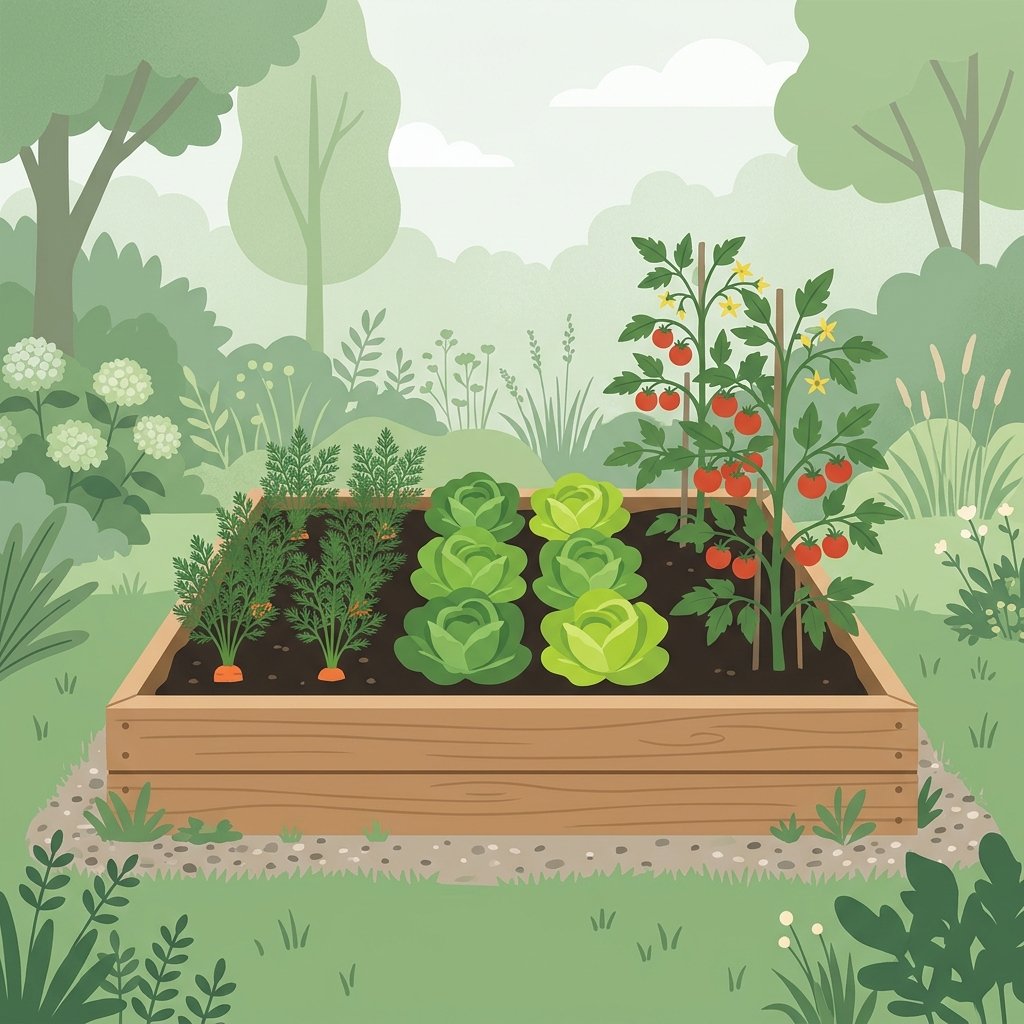
A bed of about 1 metre by 2 metres is plenty for a first season. A small garden is easier to water, weed, and harvest, and it keeps costs down.
Step 3: Build or buy the bed
Raised beds drain well and warm up faster in spring, but they are not required. You can dig into the ground or use large containers with drainage holes. Recycled materials such as untreated wooden pallets or old buckets work well if they are clean and safe for food crops.
Step 4: Improve the soil
Good soil holds water and nutrients while still draining freely. Mix in plenty of compost, which is often the single best investment for a new garden. Local councils or community groups sometimes offer free or cheap compost. If you can, test the soil's pH; most vegetables prefer slightly acidic to neutral soil.
Step 5: Choose easy crops
Beginners tend to do well with:
- Lettuce and salad greens: Fast-growing and harvested over weeks.
- Radishes: Ready in about a month.
- Beans: Productive and simple to grow from seed.
- Tomatoes and courgettes: Rewarding, but they need more sun, water, and space.
Buy seeds in packets rather than seedlings where you can. Seeds are far cheaper, and many varieties are easy to save for the next season.
Step 6: Water consistently
Vegetables struggle with irregular watering. Aim for deep watering a few times a week rather than a light sprinkle every day. Water the soil, not the leaves, and do it in the morning so plants dry before evening. Mulch with straw or dry leaves to keep moisture in and weeds down.
Common mistakes to avoid
- Planting too densely: Crowded plants compete for light and water. Follow the spacing on the seed packet.
- Skipping the label: Keep a note of what you planted and when.
- Overfeeding: Too much fertiliser can produce lots of leaves and few vegetables.
- Ignoring pests: Check the undersides of leaves weekly. Hand-picking pests is free and effective at small scale.
Saving money over time
Save seeds from open-pollinated plants, make compost from kitchen scraps and garden waste, and share surplus with neighbours. Most of the cost of a garden is in the first year. After that, it becomes much cheaper to run.
Start with one bed, a few easy crops, and good soil. A simple garden you keep up with will teach you more than an ambitious one you abandon by midsummer.