










Improve Digestion Naturally: 12 Proven Habits, Best Foods and Home Practices That Work
To improve digestion naturally, eat at fixed times, chew each mouthful 20–30 times, walk 10 minutes after meals, and add fermented foods like curd daily. Studies show gut problems affect up to 70% of urban Indians at some point, and most cases improve with habit changes alone — no medicine needed. This guide covers the 12 highest-impact natural habits, the best foods for gut health, and the warning signs that need a doctor instead.
How Your Digestive System Actually Works
Digestion is a 9-metre assembly line running from mouth to colon, taking 24–72 hours end to end. Understanding the stations explains why the habits below work:
- Mouth (1 minute). Saliva starts starch digestion. Chewing thoroughly mechanically shrinks food and floods it with enzymes — the only step you fully control.
- Oesophagus (8 seconds). Muscular waves push food down. Eating too fast overloads the next station.
- Stomach (2–4 hours). Acid and pepsin break down protein; the stomach churns food into chyme. Its acid output responds to meal timing and stress.
- Small intestine (4–6 hours). Where 90% of nutrient absorption happens, assisted by bile and pancreatic enzymes.
- Large intestine (10–59 hours). Water recovery and fermentation by roughly 38 trillion gut bacteria — your microbiome — produce vitamins and train immunity.
According to the NIDDK, digestive diseases account for tens of millions of clinic visits yearly, and the most common functional problems — bloating, constipation, indigestion — trace back to habits at stations 1, 3 and 5.
12 Habits to Improve Digestion Naturally
- Fixed meal times. The gut runs on circadian rhythm; chaotic eating desynchronises enzyme and acid release. Same times daily, even weekends.
- Chew 20–30 times per bite. Mechanical breakdown and saliva do work your stomach otherwise must. Fast eaters report up to double the bloating of slow eaters in studies.
- 10-minute post-meal walk. Gentle movement accelerates gastric emptying and blunts post-meal blood sugar spikes by up to 30%.
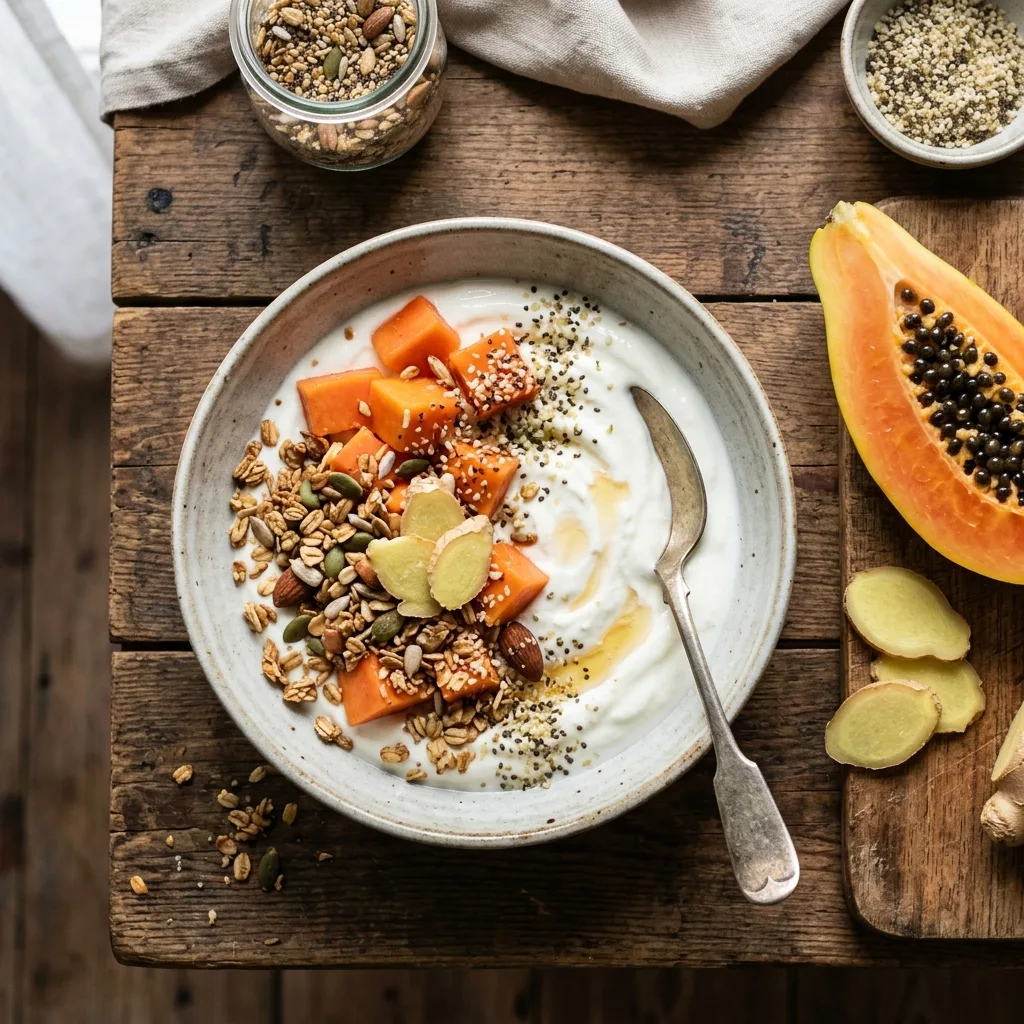
- Fermented foods daily. Curd, buttermilk, idli-dosa batter, kanji, pickles (traditional, oil-free) deliver live cultures that diversify the microbiome.
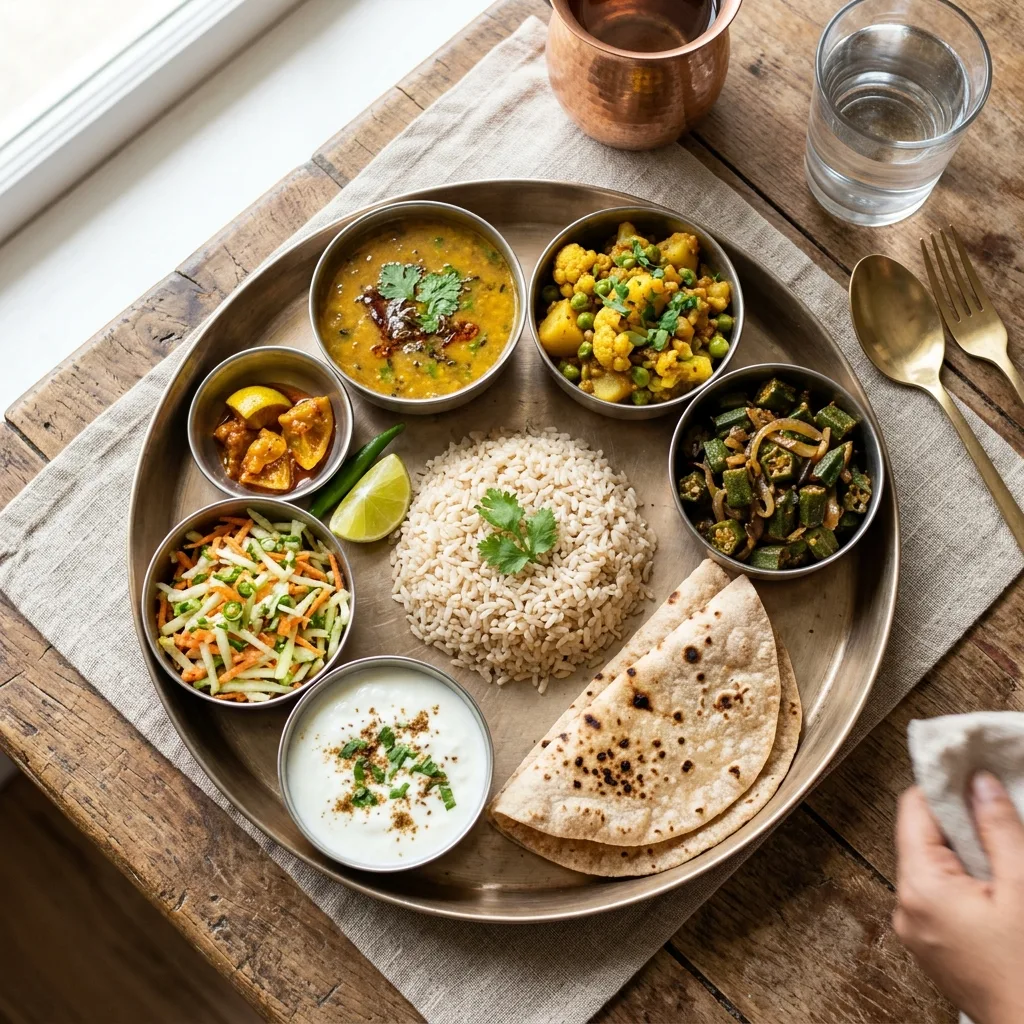
- 25–30 g fibre daily. Whole grains, dal, vegetables, fruit and nuts. Indian diets average 15–20 g — under half the need. Increase gradually over 2 weeks to avoid gas.
- 2.5–3 litres of water. Fibre without water hardens stool. Sip between meals rather than drowning meals, which can dilute stomach acid.
- Eat until 80% full. Satiety signals lag 20 minutes behind intake; stopping early prevents the overloaded-stomach pattern behind indigestion.
- Manage stress deliberately. The gut-brain axis is physical: stress alters motility and sensitivity. 10 minutes of slow breathing daily measurably improves IBS-type symptoms.
- Sleep 7–8 hours, on schedule. The gut repairs during sleep; shift workers show markedly higher rates of IBS and ulcers.
- Limit NSAID painkillers. Ibuprofen-class drugs damage the stomach lining. Use paracetamol first where appropriate, and never take NSAIDs on an empty stomach.
- Get sun and move daily. Exercise speeds colonic transit — 30 minutes of brisk walking can cut constipation measurably.
- Plate your vegetables first. Eating fibre and protein before carbohydrates improves satiety and blunts glucose spikes, easing the digestive workload.

Best Foods for Gut Health (Indian Kitchen Edition)
| Food | Why it helps | How to use |
|---|---|---|
| Curd / yoghurt | Live cultures + protein | 1 bowl daily; fresh, not packaged sweetened |
| Buttermilk (chaas) | Probiotic + hydrating | After lunch with roasted jeera |
| Idli / dosa batter | Fermented, easier to digest | Breakfast staple |
| Ginger | Speeds gastric emptying | Fresh in cooking or ginger tea |
| Whole wheat, jowar, bajra, ragi | Insoluble fibre for transit | Replace half your white rice/maida |
| Dal, legumes, chana | Fibre + resistant starch | Daily dal; soak legumes well |
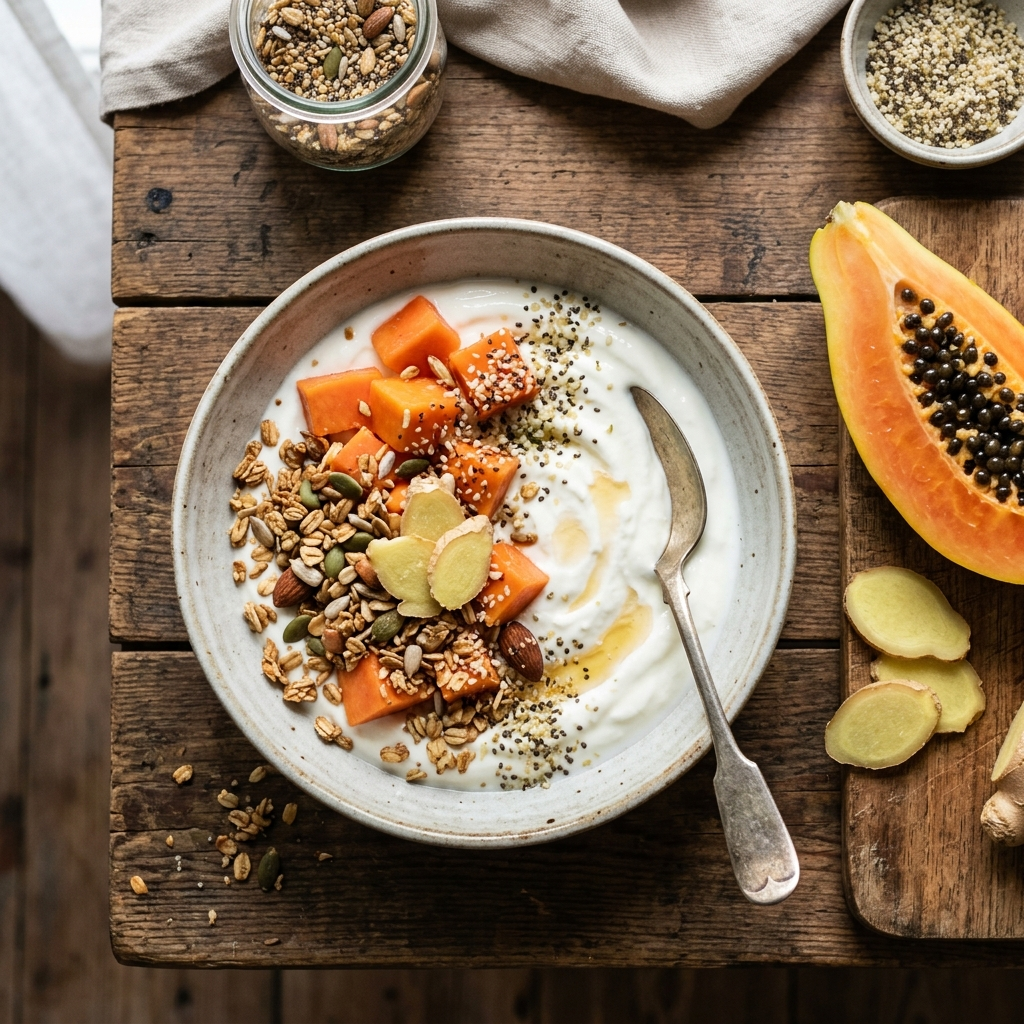
| Papaya, banana (ripe) | Enzymes + soluble fibre | Mid-morning fruit |
| Ghee (moderate) | Butyrate, lubrication | 1–2 tsp on dal or roti |
| Jeera, ajwain, saunf | Carminative — reduce gas | Boiled in water or chewed after meals |
Resistant starch deserves special mention: cooled cooked rice and boiled-then-cooled potatoes feed good bacteria the same way fibre does. It is a free upgrade to meals you already eat.
Foods That Commonly Wreck Digestion
- Maida and ultra-processed snacks — zero fibre, emulsifiers shown in studies to erode the gut mucus layer.
- Excess chilli on an irritated gut — fine for a healthy gut, aggravating for inflamed one.
- Deep-fried food daily — delays stomach emptying and feeds less-friendly bacteria.
- Sugar-free sweeteners (sorbitol, xylitol) — osmotically pull water into the gut, causing gas and loose stool.
- Excess red meat — slower transit, less fibre displacement of plant foods.
- Untreated lactose overload — an estimated 60–70% of Indians have some lactose malabsorption; curd is better tolerated than milk for many.
The Indian Fiber Gap: Fixing the Biggest Deficiency
Recommended intake is 25–38 g daily; the average Indian gets roughly half. The fix does not require exotic foods — it requires rebalancing what is already in the kitchen:
| Swap | Fibre gained |
|---|---|
| White rice → brown rice or millets (half portion swap) | +2–3 g per meal |
| Maida bread → whole wheat or multigrain | +2 g per slice |
| Packet juice → whole fruit | +2–4 g, minus the sugar spike |
| Plain dal → dal with vegetables (sambar style) | +3–4 g |
| No snack → guava, pear, or a handful of peanuts | +3–5 g |
Two cautions: raise fibre gradually (a 10 g jump overnight guarantees gas), and pair every increase with extra water. Fibre is a bulking agent — dry fibre is a plug, wet fibre is a broom.
Morning Routine for Better Digestion
A consistent morning sequence is one of the most reliable ways to improve digestion naturally. Try this for two weeks:
- Wake and drink 1–2 glasses of warm water. Hydrates the colon and often triggers the gastrocolic reflex — nature’s cue for a bowel movement.
- 5–10 minutes of stretching or yoga. Twists and forward folds gently massage the intestines. Even basic movement speeds overnight-slowed motility.
- Fixed breakfast within 90 minutes of waking. Skipping breakfast desynchronises the acid-release rhythm you trained at dinner.
- Probiotic anchor. Curd or buttermilk with breakfast supplies live cultures on a predictable schedule.
- No phone during the first meal. Distracted eating doubles chewing speed. Undigested boluses reach the stomach, which must work harder.
The ritual matters as much as the content: the gut rewards regularity more than intensity. A boring, punctual morning beats a perfect but chaotic one.
Constipation: The Natural Fix Sequence
If constipation is your main issue, escalate in order rather than jumping to laxatives:
- Water to 3 litres daily for one week.
- Fibre to 25–30 g (see the swap table above).
- Post-breakfast toilet timing. The gastrocolic reflex is strongest 30 minutes after breakfast; sitting on the toilet at this time trains the rhythm. Do not strain, do not sit beyond 5 minutes.
- Footstool position. Elevating knees above hips straightens the rectal angle — squatting posture in a modern toilet.
- 30 minutes daily of brisk walking.
- Overnight option: 1 teaspoon isabgol (psyllium) in warm water before bed — safe, natural bulk fibre.
If none of this works after 3–4 weeks, if there is blood in stool, or if constipation alternates with unexplained diarrhoea, see a doctor for evaluation rather than continuing self-treatment.
Your Gut Microbiome: The 38-Trillion-Person Ecosystem
Your intestines host more bacteria than you have human cells. This ecosystem — the microbiome — is not a passenger; it is an organ. It ferments fibre into butyrate (the fuel for gut wall cells), synthesises vitamin K and some B vitamins, trains 70% of your immune system (which lives in gut-associated tissue), and even produces neurotransmitter precursors that talk to your brain.
What damages it, according to current research:
- Low fibre. Starved bacteria either die off or turn to the mucus lining for food — eroding your first line of defence.
- Ultra-processed food. Emulsifiers and additives alter bacterial composition toward inflammation-associated profiles.
- Unnecessary antibiotics. One course can shift the ecosystem for weeks to months. Take them only when prescribed and complete the course.
- Chronic stress and poor sleep. Stress hormones change gut motility and secretion, reshaping bacterial habitats.
- Alcohol excess. Directly irritates the gut wall and shifts the bacterial balance.
What feeds it: diverse plant foods (aim for 20–30 different plant species weekly — spices, grains, veg, fruit, nuts all count), fermented foods daily, and regularity in meal timing. Diversity and consistency, not any single “superfood,” predict a resilient microbiome.
Bloating: Why It Happens and the 5-Day De-Bloat Plan
Bloating is gas or fluid stretching the intestine — and it is usually mechanical, not mysterious:
- Swallowed air — gum, straws, fizzy drinks, eating while talking.
- Fermentation load — a sudden fibre jump feeds bacteria a feast; they respond with gas.
- Constipation backlog — slower transit means more fermentation time.
- FODMAP sensitivity — some people’s guts gas-form on onion, garlic, wheat, milk or certain fruit. Common in IBS.
- Hormonal shifts — progesterone slows smooth muscle; many women bloat mid-cycle.
Five-day de-bloat protocol:
- Cut fizzy drinks, gum and straws entirely for 5 days (swallowed air is free gas).
- Halve the raw salads; cook your vegetables — cooked fibre ferments more gently.
- Keep fibre steady (don’t zero it), but spread it across meals.
- Walk 15 minutes after each meal. Movement moves gas.
- Peppermint-free de-gassers: jeera water, ajwain water, or fennel chewed after meals.
If bloating is daily regardless of diet, or comes with weight loss, blood or night pain, that pattern needs a medical workup — not another elimination diet.
Meal Timing: When You Eat Matters as Much as What
Digestive organs have their own clock. Acid secretion, enzyme release and gut motility all peak around expected meal times and dip overnight. Chronic schedule chaos — skipping breakfast, grazing all day, huge late dinners — desynchronises these rhythms, and studies in shift workers show real digestive disease consequences.
Practical timing rules that respect the biology:
- 3 meals + 1 snack beats constant grazing. The migrating motor complex — the gut’s cleanup wave — only runs during fasting gaps. Constant snacking suppresses it.
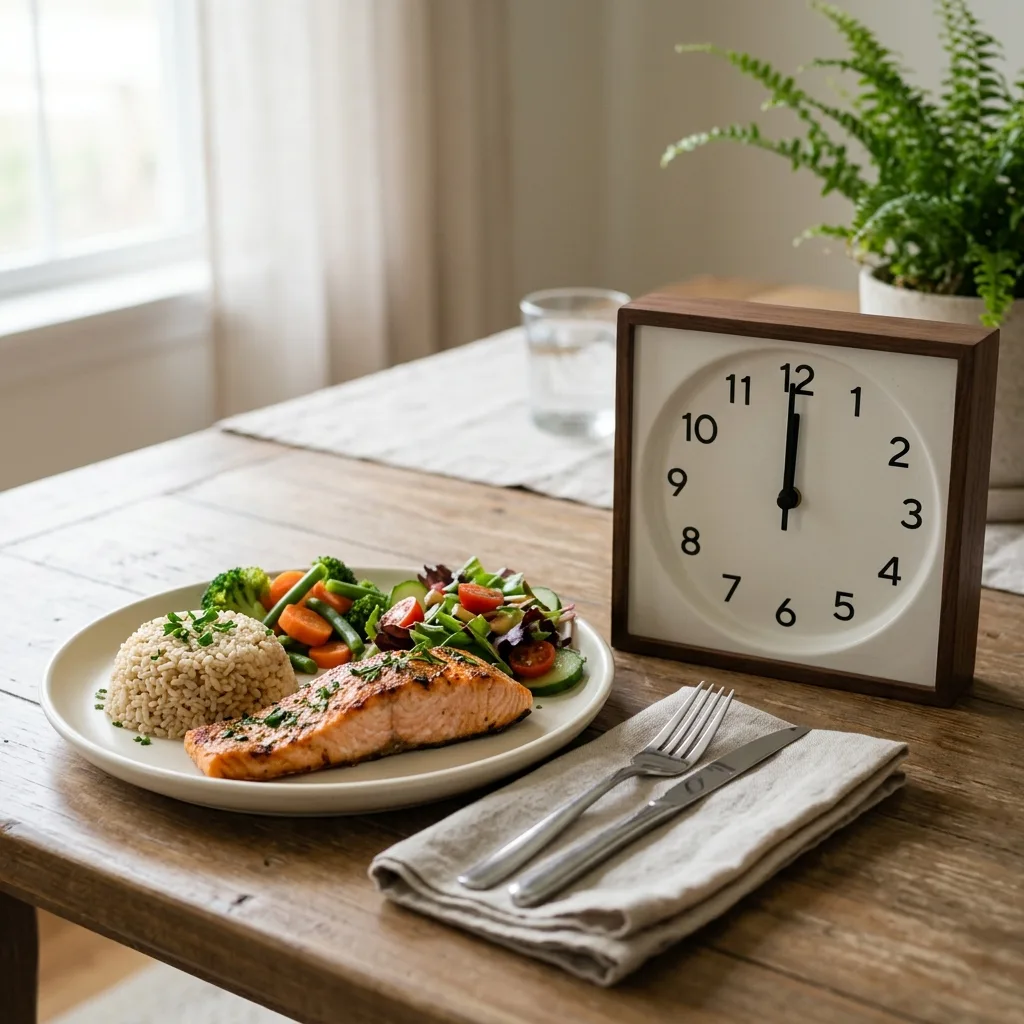
- Keep a 12-hour overnight fast. Dinner by 8 PM, breakfast after 8 AM gives the cleanup cycle room to run. This is “intermittent fasting” without the branding.
- Biggest meal at midday. Digestive efficiency and insulin sensitivity both peak earlier in the day.
- Same breakfast time daily, including weekends. The gastrocolic reflex that keeps you regular trains on predictability.
Reading Your Gut Signals: Normal vs Not Normal
| Signal | Usually normal | Needs attention |
|---|---|---|
| Gas | 10–20 passes daily; worse after dal, cabbage | Painful trapping, or sudden big change |
| Bowel frequency | Anywhere from 3/day to 3/week | New persistent change from your norm |
| Bloating | After big meals or fibre jumps | Daily bloat + weight loss or night symptoms |
| Stool colour | Brown shades; green after spinach | Black tarry, blood, or pale/clay stools |
| Stool shape | Varies with hydration and fibre | Pencil-thin persistently, or ribbon-like |
| Heartburn | After overeating occasionally | 2+ times weekly, or waking you at night |
Most people who improve digestion naturally report changes within two weeks, because the gut is a responsive system — day-to-day variation is normal. What earns a doctor’s visit is persistence (beyond 2–4 weeks), progression (worsening), and the specific red flags in the right column. Everything else usually responds to the habits in this guide.
Exercise and Digestion: The Underused Medicine
Movement is the most underrated digestive aid. It works through three mechanisms: mechanical (jostling speeds intestinal transit), hormonal (reduces stress hormones that slow the gut), and metabolic (improves insulin sensitivity, easing the post-meal workload). Trials in constipated adults show brisk walking alone increases bowel movement frequency measurably.
Dose and timing that work:
- 30 minutes brisk walking daily — the minimum effective dose for transit benefits.
- 10-minute easy walks after meals — blunts glucose spikes and speeds gastric emptying.
- Yoga poses for sluggish days — Pawanmuktasana (wind-relieving pose), Malasana (squat), and gentle spinal twists stimulate the gut directly.
- Core strength — abdominal muscle tone supports the posture that lets organs sit and function properly.
- Timing caution — intense exercise right after eating diverts blood away from the gut and can cause cramps; give meals 1–2 hours before hard sessions.
Runners know this well: regular moderate training keeps the gut regular, while dehydration during long runs is what usually disrupts it. Hydration plus movement beats fibre alone for constipation in most trials.
Frequently Asked Questions
How can I improve my digestion fast?
For same-week relief: chew thoroughly, walk 10 minutes after each meal, drink 3 litres of water, and cut fried food. Most people feel less bloated within 3–5 days. Deeper microbiome changes take 2–4 weeks of consistent fermented foods and fibre.
Which drink is best for digestion in the morning?
Warm water is the simplest and most effective. Additions that help specific people: jeera water (gas), a squeeze of ginger (slow emptying), or lemon in warm water (mild, safe, though it does not “alkalise” anything despite the marketing).
Is curd really a probiotic?
Fresh homemade curd and properly stored yoghurt contain live Lactobacillus cultures — yes. Packaged sweetened “yoghurt drinks” often have cultures killed by processing plus heavy sugar. For gut benefit, choose fresh curd, not dessert-like products.
Should I take a probiotic supplement?
Food first. Supplements help specific cases — after antibiotics, or in IBS where specific strains (like Bifidobacterium infantis) have trial evidence — but generic supplements are unregulated and strain-specific effects vary. Curd and fermented foods cover the general case.
Why do I feel sleepy and bloated after lunch?
Usually the combination of a large, refined-carb meal eaten fast. Big rice or maida portions spike blood sugar, then crash it — the “food coma.” Fix: protein and vegetables first, half the rice, chew 20 times, and a 10-minute walk after.
Can poor digestion cause skin problems and fatigue?
Indirectly, yes. Malabsorption can cause B12 and iron deficiency (fatigue, pallor), and gut inflammation is linked to skin flares in conditions like acne and eczema in some people. Persistent fatigue plus gut symptoms deserves a basic blood panel and medical review.
The Bottom Line
To improve digestion naturally, you do not need exotic supplements — you need punctual meals, thorough chewing, daily movement, fibre to 25–30 g, water to match, and a daily spoonful of fermented food. Give the routine 2–4 weeks; the gut rewards consistency more than perfection. A simple food-and-symptom diary plus patience will improve digestion naturally for most people. And respect the red flags: blood, weight loss, swallowing trouble or night symptoms mean a doctor, not another kitchen remedy.
Related: Acidity Home Remedies and Normal Blood Sugar Levels Guide.
A 7-Day Starter Plan to Improve Digestion Naturally
Put the whole guide into one week of concrete action. Tick each day’s boxes rather than aiming for perfection:
| Day | Focus | Actions |
|---|---|---|
| 1 | Hydration | 3 L water; warm water on waking; no fizzy drinks |
| 2 | Chewing | Count chews at one meal (target 20+); no screens while eating |
| 3 | Fibre swap | Replace one white-rice/maida portion with millet or whole wheat |
| 4 | Fermented food | Curd or buttermilk with lunch; idli or dosa breakfast |
| 5 | Movement | 10-min walk after every meal; 30-min brisk walk total |
| 6 | Timing | Light dinner by 8 PM; 12-hour overnight fast begins |
| 7 | Review | Note energy, bloating and bowel pattern vs day 1; repeat all habits |
Repeat the full week, then keep whatever felt easiest — consistency compounds. When these feel automatic, most people find their digestion, energy and even sleep have quietly improved without any medicine at all. That is the realistic promise of learning to improve digestion naturally: not a quick fix, but a system that keeps working.
One habit worth adding as you go: keep a simple food-and-symptom note for two weeks. Four columns — time, what you ate, symptoms, stress level — reveal patterns no generic advice can. Most people discover one or two personal trigger foods and one or two keystone habits that make 80% of the difference. Personalisation beats perfection, and your own data beats any listicle, including this one. Track honestly, adjust one variable at a time, and give each change a full week before judging it — the gut responds to patterns, not single meals, and the compound effect of three aligned weeks will improve digestion naturally more than any single perfect day ever could.
Sources
- NIDKK — Digestive Diseases overview
- NIH ODS — Dietary Fiber fact sheet
- NHS — How to have a healthy gut
Explore more on Dangit: health, technology, science, nature, featured, lifestyle, society, the local business directory and more reading.




[…] next on Dangit: ways to improve digestion naturally, vitamin D deficiency signs and how to fix […]
[…] next on Dangit: ways to improve digestion naturally, acidity home remedies that work […]
[…] Read next on Dangit: ways to improve digestion naturally. […]