







How Do Vaccines Work? 9 Best Facts About Immunity Revealed
Vaccines work by showing your immune system a harmless preview of a pathogen — a weakened virus, a protein fragment, or mRNA instructions — so it builds memory defences before a real infection arrives. Your body then produces antibodies and trains memory cells that can respond within hours instead of the week or more an untrained response takes. Vaccination is credited with preventing an estimated 4–5 million deaths every year worldwide across all age groups, according to WHO estimates, and has eradicated smallpox — a disease that killed 300 million people in the 20th century alone.
The Immune System in 4 Steps: How Your Body Fights Infection
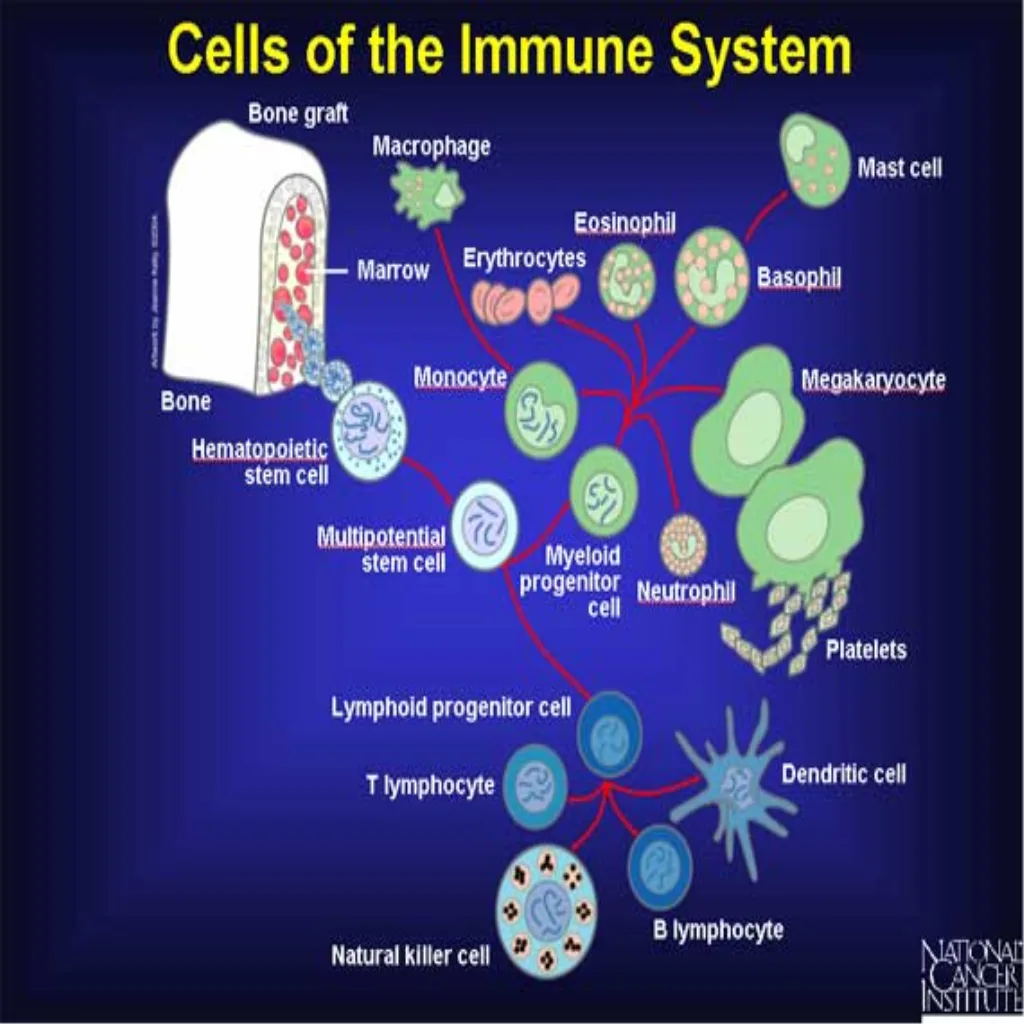
Understanding vaccines requires first understanding the defence they train. Your immune response works in layers:
- Barriers (minutes). Skin, mucus, stomach acid and tears block most pathogens before entry. This is innate defence line one.
- Innate response (minutes to hours). Cells like macrophages and neutrophils engulf invaders indiscriminately; inflammation and fever raise the alarm. Fast but unspecific — and frequently insufficient against a completely novel pathogen on first encounter.
- Adaptive response (5–10 days, first time). Dendritic cells carry captured fragments to lymph nodes, where B cells and T cells that happen to recognise the fragment multiply massively. B cells produce antibodies; killer T cells destroy infected cells. This is the slow, targeted response that eventually wins — if you survive the wait.
- Memory (years to decades). After the battle, most response cells die off, but memory B and T cells persist for years, sometimes for life. This is the step vaccines exploit.
The critical insight: the adaptive system’s first response is slow because it must find, by chance, the rare cells matching a new invader. Vaccination performs that search in advance, safely.
How Do Vaccines Work? The Training-Preview Principle
A vaccine delivers a harmless stand-in for a pathogen — enough for your immune system to learn the target’s features, never enough to cause the disease. Your adaptive system then runs its full training exercise: B cells produce antibodies against the stand-in, helper T cells coordinate, and memory cells form. When the real pathogen arrives later, the response that took 7–10 days untrained now takes hours to days, and it is far larger. The infection is stopped before symptoms — or blunted to mildness if breakthrough occurs.
The preview comes in several technological forms, all triggering the same immune learning:
| Vaccine type | What it contains | Examples |
|---|---|---|
| Live attenuated | Weakened live virus that cannot cause disease in healthy people | MMR, oral polio (OPV), BCG |
| Inactivated | Killed whole virus | Most polio (IPV), rabies, some flu shots |
| Subunit / protein | Purified protein pieces of the pathogen | Hepatitis B, HPV, pertussis components |
| Toxoid | Inactivated bacterial toxin | Tetanus, diphtheria |
| mRNA | Instructions for your cells to build one viral protein temporarily | Certain COVID-19 vaccines |
| Viral vector | Harmless carrier virus delivering the protein blueprint | Certain COVID-19 and Ebola vaccines |
Each platform has trade-offs in durability, cold-chain needs and booster schedules — but the training principle is identical across all of them.
Antibodies and Memory Cells: How Do Vaccines Work Long-Term
Vaccination produces two complementary lines of protection:
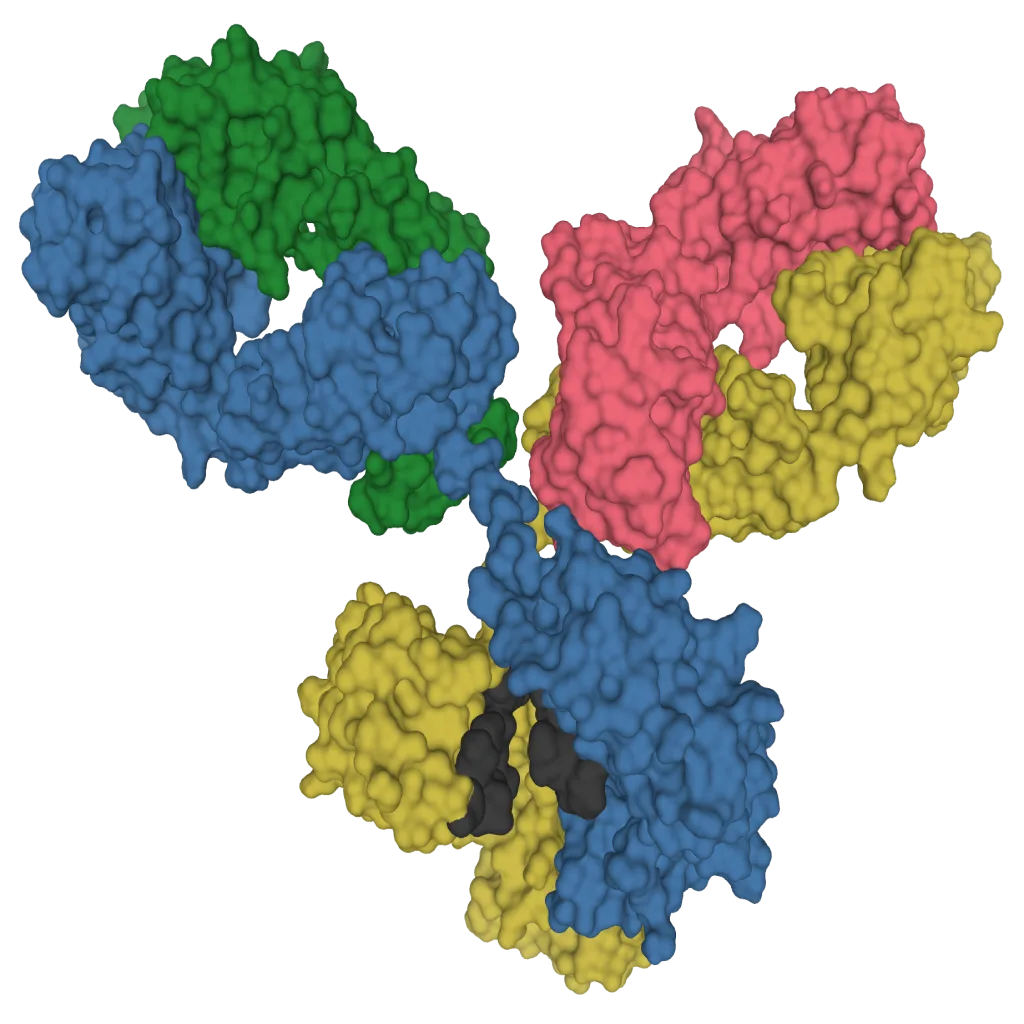
- Antibodies (the border guards). Y-shaped proteins that bind specifically to the pathogen’s surface. They neutralise viruses before entry, tag bacteria for destruction, and circulate for months to years. Measured antibody levels correlate well with short-term protection — this is what “antibody titre” means on lab reports.
- Memory B and T cells (the veterans). These persist in lymph nodes and bone marrow. On re-exposure, memory B cells reactivate within days and pump out new antibodies; killer T cells destroy infected cells before the pathogen spreads. Memory is precisely what outlasts measurable antibody levels over the years — protection can persist even when a blood test shows “low” antibodies.
This two-layer design explains several real-world observations: why some vaccines need boosters (antibody levels fade while memory persists), why protection against severe disease usually outlasts protection against infection (T cells blunt illness even when antibodies no longer block entry), and why measuring only antibodies understates real immunity.
Herd Immunity: How Vaccines Protect People Who Never Got the Shot
When enough of a community is immune, chains of transmission break — the pathogen cannot find new hosts fast enough to sustain an outbreak. This protects those who cannot be vaccinated: newborns too young for schedules, people on chemotherapy, transplant recipients, and the small fraction with genuine medical contraindications.
Thresholds vary by disease contagiousness:
| Disease | R0 (spread per case) | Herd immunity threshold |
|---|---|---|
| Measles | 12–18 | ~95% |
| COVID-19 (ancestral strains) | 2.5–4 | ~60–70% |
| Influenza | 1.3–1.8 | ~30–50% |
| Polio | 5–7 | ~80–85% |
Measles’ 95% threshold explains why even small clusters of unvaccinated children ignite outbreaks: the margin between safety and spread is razor-thin for the most contagious human virus. It also explains why measles is the first disease to resurge when coverage dips anywhere.
Vaccine Safety: What the Evidence Actually Shows
Vaccines undergo multi-phase trials before licensing and continuous surveillance after — among the most monitored medical products in existence. The evidence-based picture:
- Common, mild, self-limiting: injection-site pain, low fever, fatigue for 1–3 days. These are immune responses working, not illness — and they are more frequent than serious events by orders of magnitude.
- Rare, real, manageable: anaphylaxis occurs in roughly 1 per million doses (why observation periods exist); treatable with adrenaline. Febrile seizures occur rarely in young children without lasting harm.
- Very rare, identified and acted upon: the AstraZeneca adenoviral-vaccine clotting event (VITT, a few per million in specific demographics) was detected by surveillance systems, characterised, and guidance updated — the safety system working as designed.
- Debunked claims: the autism link originates from a single 1998 paper that was retracted for fraud and has been contradicted by studies across millions of children in multiple countries. Thimerosal concerns lack supporting evidence; it was removed from most vaccines anyway as precaution.
The honest risk framing: every medicine has risks; vaccines’ are among the smallest per unit of benefit of any intervention in medicine. The comparison that matters is vaccine risk versus disease risk — and for the diseases vaccines prevent, disease risk is catastrophically higher.
Why Vaccines Need Boosters: Waning and Variant Drift
Two independent phenomena determine booster schedules:
- Waning. Antibody levels decay over months to years after any exposure or dose. Memory persists longer. Boosters re-elevate antibodies and — importantly — re-expand and refine memory pools.
- Antigenic drift. Viruses like influenza mutate their surface proteins continually, so last year’s antibodies recognise this year’s virus poorly. Flu vaccines are reformulated annually against predicted circulating strains.
Stable viruses behave differently: measles has one serotype — the measles vaccine you received as a child protects for decades, likely life. Polio has three serotypes. SARS-CoV-2 sits in between: memory persists, but variants evolved enough to reduce infection-blocking (not severe-disease-blocking) protection, hence updated formulations. Booster recommendations track this biology, not profiteering.
India’s Universal Immunisation Programme: Scale and Wins
India runs one of the largest vaccination programmes on Earth, and its results are measurable:
- Polio eradication (2014 certification). India — once considered the hardest country to eradicate polio — achieved it through the Pulse Polio campaigns: billions of oral doses, house-to-house delivery, and sustained political commitment.
- Smallpox eradication (global, 1980) — India was a major battleground in the campaign.
- Maternal and neonatal tetanus elimination (2015).
- Measles-rubella campaigns targeting the 95% threshold through school-based and door-to-door delivery.
- COVID-19 vaccination drive: over 2 billion doses administered — the largest logistical health operation in Indian history.
The mission Indradhanush programme continues expanding routine coverage against tuberculosis, diphtheria, pertussis, tetanus, hepatitis B, Hib, rotavirus, PCV, measles-rubella and more. Coverage gaps persist in some states and urban pockets — which is exactly where outbreak risk concentrates.
Inside the Injection Site: The First 48 Hours
What actually happens in your arm after a shot explains both the soreness and the science:
- Minutes: the vaccine enters muscle (deltoid — rich in immune surveillance cells, which is why arms, not buttocks, are preferred).
- Hours 1–24: innate immune cells (dendritic cells, macrophages) arrive, engulf the vaccine material, and release signalling molecules — the local soreness, redness and mild fever are this inflammatory signal at work, not infection.
- Hours 24–48: dendritic cells carrying captured fragments migrate to nearby lymph nodes (the tender armpit lump some people feel is this — node activation, not disease).
- Days 3–14: in the lymph node, B-cell and T-cell selection and expansion run their course; germinal centres refine antibody quality. By two weeks, the full adaptive response is built and memory is seeding.
This timeline explains practical guidance: mild fever and arm pain for 1–3 days are expected and self-limiting (paracetamol is fine for comfort); the second dose of two-dose schedules often causes stronger reactions because the immune system is already primed — a sign of memory working, not of intolerance.
Vaccine Efficacy vs Effectiveness: Reading the Numbers Correctly
Two terms get conflated in headlines, and the distinction matters for honest interpretation:
- Efficacy — the protection measured in controlled clinical trials under ideal conditions. The Pfizer-BioNTech COVID trial reported ~95% efficacy against symptomatic disease; measles vaccine ~97%.
- Effectiveness — real-world performance across populations, variants, storage realities and time since vaccination. Usually somewhat lower, and declining against drifted variants for infection outcomes.
Also worth reading correctly: a 95% efficacious vaccine does not mean 5% of recipients get the disease. In a typical trial, disease cases concentrate overwhelmingly in the unvaccinated arm; relative risk reduction applies per person. And when vaccinated people do get infected (breakthrough), illness severity is typically far below what the same infection would cause unvaccinated — the vaccine’s central promise is converting dangerous into mild, which it keeps robustly.
The Global Impact: What Vaccination Has Actually Achieved
| Disease | Pre-vaccine era (annual global deaths) | Today |
|---|---|---|
| Smallpox | ~2 million | Eradicated (last natural case 1977) |
| Polio (paralytic) | 350,000+ cases (1988) | Dozens of cases in two endemic countries |
| Measles | 2.6 million/year (1960s) | ~130,000/year (still too many — coverage gaps) |
| Diphtheria | ~100,000s/year | Thousands, in outbreak pockets |
| Tetanus (neonatal) | ~790,000/year (1980s) | Tens of thousands |
These are the numbers behind the WHO’s 4–5 million annual deaths-prevented estimate — and behind the judgment that vaccination ranks among the most consequential technologies humans have ever built. Every resurgence story (measles outbreaks wherever coverage drops below ~95%) doubles as a natural experiment confirming the causal role.
Frequently Asked Questions
How do vaccines work in simple words?
A vaccine shows your immune system a harmless version or fragment of a germ. Your body practices fighting it, builds antibodies and memory cells, and keeps that memory for years — so the real germ gets defeated rapidly, before it can ever make you seriously ill.
Can a vaccine give you the disease it prevents?
Inactivated, subunit, mRNA and vector vaccines cannot — they contain no reproducing pathogen. Live attenuated vaccines contain a weakened virus that in healthy people causes at most mild symptoms; in severely immunocompromised individuals, a few live vaccines are contraindicated precisely for this reason. Vaccine-derived polio cases are extremely rare and arise in under-vaccinated communities, not from the injectable vaccine.
Why do some people still get sick after vaccination?
Three reasons: immunity is not 100% (efficacy typically 50–95% depending on disease and vaccine), antibody levels wane with time, and variants can partially escape. The key statistic: vaccinated people who catch the disease have dramatically lower rates of severe illness and death — the vaccine converts a dangerous disease into a mild one.
How long does vaccine immunity last?
Varies by disease: measles and tetanus (with boosters) — decades to life; HPV — 10+ years demonstrated with no waning signal so far; influenza — months (because the virus drifts, not because memory fails); COVID-19 — memory persists but infection-blocking antibodies wane within months, while protection against severe disease holds much longer.
Is natural infection better than vaccination?
Natural infection does produce immunity — at the cost of the disease’s full risk: complications, hospitalisation, death, and for some diseases lasting damage. The comparison is stark: chickenpox infection carries risks of pneumonia and later shingles; the vaccine carries a sore arm. Deliberately infecting a child to “get immunity naturally” buys immunity at disease prices.
Are vaccine ingredients safe?
Yes, at the doses used. Aluminium salts (adjuvants) have 70+ years of safety data; formaldehyde appears in quantities far below what your body produces naturally every day; preservatives and stabilisers serve proven roles. Every excipient is listed publicly and reviewed during licensing.
Can vaccines overload a baby’s immune system?
No — this concern misunderstands scale. A baby’s immune system handles thousands of new antigen exposures daily from the environment. All childhood vaccines combined present a tiny fraction of that challenge. Studies comparing vaccinated and unvaccinated children show no immune-overload effects, and delaying vaccines only extends the window of vulnerability.
Vaccination Myths vs Facts: Quick Reference
Before the summary, a myth-versus-fact table covering the claims that circulate most widely:
| Myth | Fact |
|---|---|
| “Vaccines cause autism.” | The single source paper was retracted for fraud; studies across millions of children in multiple countries find no link. Autism’s origins are largely genetic, with prenatal onset. |
| “Natural immunity is better.” | It can be stronger for some diseases — but it is acquired through the disease itself, with its risks of death, hospitalisation and permanent damage. The comparison that matters is always risk versus risk. |
| “Too many vaccines overload immunity.” | Infants handle thousands of environmental antigen exposures daily; the entire childhood schedule is a trivial fraction of that. Delaying only prolongs vulnerability. |
| “Vaccine ingredients are toxic.” | Every ingredient has a documented function and decades of safety data at the doses used. The dose makes the poison — even water is lethal at 6 litres at once. |
| “Hygiene and nutrition eliminated these diseases, not vaccines.” | Measles deaths fell from 2.6 million to roughly 130,000 after vaccine introduction, tracking coverage rather than sanitation milestones. Diseases with vaccines collapsed; diseases without one, like the common cold, did not. |
The Bottom Line
How do vaccines work? They let your immune system train on a harmless preview, building antibodies and — more importantly — memory cells that respond to the real pathogen in hours instead of days. That single principle, applied across a dozen technological platforms, has eradicated smallpox, pushed polio to the brink, and prevents millions of deaths annually. The safety record is among the best in medicine precisely because the surveillance is among the strictest. The diseases remain the dangerous party in every comparison — that asymmetry, not nostalgia or habit, is why the schedules look the way they do, and why answering how do vaccines work honestly always ends the same way: with the training metaphor that survives every scrutiny.
Related: Why Is the Sky Blue? and Vitamin D Deficiency Guide.
A final perspective on how do vaccines work at the scale of a lifetime: the protection is largely invisible. Immunised children do not miss school with measles; adults do not watch their children struggle with polio; grandparents survive the flu seasons that once emptied households. Public health wins are silent by nature — the epidemic that never happens generates no headline. The visible evidence survives in two places: historical graveyards and medical archives, where the pre-vaccine toll is documented, and today’s outbreak clusters, which appear precisely and only where coverage has slipped. Immunity, individually trained and collectively maintained, remains the closest thing medicine has to a time machine.
It takes the deadliest chapters of human history and moves them, permanently, into the past.
One practical takeaway rounds this out: keep your own vaccination record, check it against the national schedule every few years, and catch up on anything missed — adult boosters for tetanus every 10 years, flu annually for high-risk groups, and catch-up HPV or MMR doses where relevant. Immunity has a maintenance schedule like anything else worth keeping, and how do vaccines work best is always the same answer: on time, in full, and kept current across a lifetime.
Sources
- WHO — Vaccine safety and hesitancy resources
- CDC — Vaccine Safety monitoring systems
- Nature — Immunology research summaries
- National Health Mission — Universal Immunisation Programme (India)
Explore more on Dangit: health, technology, science, nature, featured, lifestyle, society, the local business directory and more reading.




[…] How Do Vaccines Work? and Why Is the Sky […]
[…] How Do Vaccines Work? 9 Best Facts About Immunity Revealed […]