









In early October 2026, a laboratory technician at a plague research institute in Siberia died, and the case drew international attention. Health authorities placed nearly 200 people under medical observation, unverified local reports of a second severe case began to circulate, and the World Health Organization said it was looking into the situation and asked Russian authorities for transparent information.
This article separates what has been reported from what has been confirmed, then explains what plague is, how it spreads and why timing matters so much in treatment.
What has been reported
The woman, identified in media reports as Darya Shipilova, was 28 and worked at the Irkutsk Anti-Plague Research Institute in Shelekhov, a town near the regional capital Irkutsk. According to reports based on Russian government information, she told medical staff that she had accidentally broken a test tube containing live bacteria while collecting samples. She was admitted to hospital with severe pneumonia, placed on a ventilator and died on 2 October.
Buryatia’s regional head, Alexei Tsydenov, said she died from an unspecified form of plague. Earlier, Irkutsk officials had described the illness only as a “particularly dangerous infection.” Media reports have described the suspected infection as pneumonic plague, though Tsydenov’s statement did not name the form.
The Shelekhov district hospital was placed under quarantine. At least 197 people who may have had contact with her were placed under medical observation, more than 100 of them in hospital wards. Authorities cancelled planned public events in Irkutsk, and a criminal investigation into possible health-safety violations has reportedly been opened.
Confirmed, reported and unresolved
The story has several strands, and they rest on different levels of evidence.
| Claim | Status in the reporting |
|---|---|
| A laboratory worker died in early October 2026 | Reported by regional officials and multiple international outlets |
| The death was caused by plague | Reported by a regional leader, but authorities have not said definitively whether plague caused it |
| Nearly 200 people are under medical observation | Reported by regional authorities and wire services |
| Contacts tested so far show no signs of illness | Stated by the Irkutsk governor, who said their laboratory tests were negative |
| The broken test tube explains the exposure | Reported as her account to staff. Senior epidemiologists have questioned it, citing strict safety protocols |
| A second possible pneumonic plague case | Unverified local media reports. The WHO says it is investigating |
WHO director-general Tedros Adhanom Ghebreyesus has urged Russian health authorities to share transparent information so that public health risks can be assessed accurately. Until that happens, the cause of the death and the existence of a second case should be treated as unresolved.
What plague is
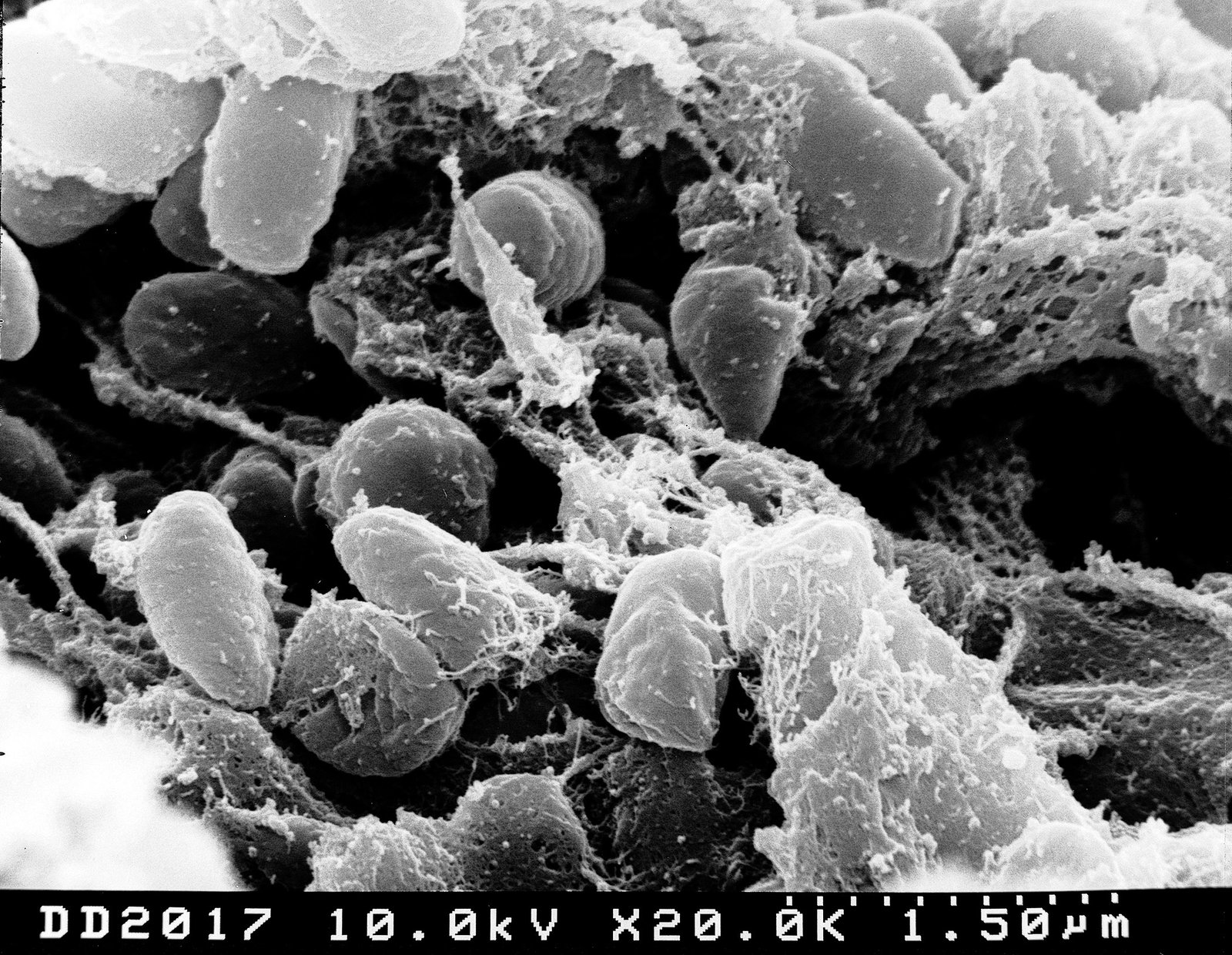
Plague is caused by the bacterium Yersinia pestis. It is primarily an animal disease, carried by rodents and the fleas that feed on them, and it reaches people through flea bites or contact with infected animals. It is rare today, but it has not disappeared. The WHO reports that human cases remain endemic in several countries, and that most cases from 2019 to 2025 occurred in the Democratic Republic of the Congo and Madagascar.
Historically, it is the disease behind the Black Death of the fourteenth century. Modern plague is far less deadly, mainly because antibiotics work well when they are started early.
The three forms of plague
- Bubonic plague is the most common form. It usually follows a flea bite and causes painful, swollen lymph nodes called buboes, most often in the groin, armpit or neck, along with fever, chills, weakness and headache. It does not spread easily from person to person.
- Septicaemic plague occurs when the bacteria multiply in the bloodstream. It can cause bleeding under the skin, shock and organ failure, and can be fatal without treatment.
- Pneumonic plague affects the lungs. It is the only form that spreads readily between people, through respiratory droplets from a coughing patient, usually among close contacts. It progresses quickly. The WHO says it is invariably fatal if untreated, and can kill within 18 to 24 hours of symptom onset.
This is why reports of pneumonic plague draw close attention. Severe pneumonia in someone who handled dangerous bacteria is the kind of case health authorities investigate urgently, even before the cause is known.
How plague spreads
For most people, the risk comes from fleas, rodents and infected animals, particularly in places where plague is established. Person-to-person spread is mainly a feature of pneumonic plague, and it generally requires close, prolonged contact with a coughing patient. It is not spread through ordinary casual contact, food or water, or by touching surfaces.
Laboratories that handle dangerous pathogens work under strict containment rules. In an outbreak linked to a laboratory, the central questions are whether containment failed and who was exposed, rather than whether the disease is spreading in the wider community. The reporting so far has not answered either question.
Treatment and why timing matters
Plague is treatable. Several antibiotics are effective, including streptomycin, gentamicin, doxycycline and ciprofloxacin. Outcomes depend heavily on how quickly treatment starts. Delay is the main reason plague still kills people, which is why clinicians are advised to begin treatment when the disease is suspected, without waiting for laboratory confirmation.
What happens to contacts
When a case is suspected, public health teams identify everyone who had close contact with the patient, monitor them for symptoms over a set period and, where appropriate, offer preventive antibiotics. The observation period in Siberia reflects this standard practice. It does not by itself show that transmission has occurred.
When to seek medical care
Plague is uncommon, and most people who feel unwell do not have it. Anyone with a sudden high fever and a painful swollen lymph node, or with a cough and breathlessness after close contact with a seriously ill person, or after time in an area where plague occurs, should seek medical care promptly and mention that exposure. Early assessment is what makes treatment work.
The broader lesson of this story is about pace. Early accounts have differed, official explanations have been contested, and the most alarming claims have travelled fastest. Until health authorities and the WHO publish confirmed findings, the reliable position is that a death has been reported, contacts are being monitored and the cause is still being established.
Frequently asked questions
Has plague been confirmed in Siberia in 2026?
Not definitively. A regional leader said the woman died from an unspecified form of plague, but authorities have not said definitively whether plague caused the death. Reports of a second possible case are unverified, and the WHO is investigating them.
Is there a risk to the public?
Authorities say contacts who have been tested so far show no signs of illness, and about 200 people are under observation. Whether the wider public faces any risk depends on the findings of the investigation, which had not been published at the time of reporting.
Can plague spread from person to person?
Only the pneumonic form does so readily, through respiratory droplets from a coughing patient, usually among close contacts. It does not spread through ordinary casual contact, food or water.
Is plague curable?
Yes, with antibiotics started early. Several effective treatments exist, and timing is the main factor in whether a patient survives.
Should I be worried about travelling?
Plague is not a general travel risk for most people. Anyone concerned about a specific trip or exposure should speak with a travel clinic or doctor, who can assess their situation.
Sources
- World Health Organization, “Plague” fact sheet, 29 September 2026: who.int
- US Centers for Disease Control and Prevention, “About Plague,” updated 24 August 2026: cdc.gov
- CDC, “Clinical Care of Plague”: cdc.gov
- CDC, “Antimicrobial Treatment and Prophylaxis of Plague,” MMWR Recommendations and Reports, 2021: cdc.gov
- The Moscow Times, “Nearly 200 People Under Observation After Irkutsk Lab Worker Dies From Plague,” 2 October 2026: themoscowtimes.com
- The Independent, “Second plague death reported after Russian lab worker died in Siberia,” 7 October 2026: independent.co.uk
This article is general information, not medical advice, and does not replace assessment by a qualified healthcare professional. For any symptom or health concern, consult a clinician. See the medical disclaimer.