









Health is moving up the agenda of the United Nations climate talks. The World Health Organization (WHO) joined Pacific leaders in Fiji from 5 to 8 October 2026 for a Pre-COP31 meeting, ahead of the 31st UN climate conference, COP31, in Antalya, Türkiye. A dedicated Health Day will take place on 9 November, the first day of COP31.
Behind the agenda is a stark finding. A WHO review of 76 hospitals in 14 Pacific island countries found that 62% sit within 500 metres of the sea or a river, which leaves them exposed to flooding, storm surges and rising seas.
What COP31 is and why health is on the agenda
COP is the annual UN climate conference, where governments negotiate action on global warming. COP31 will be held in Antalya, Türkiye. Health is one of the ten priority themes of the COP31 Action Agenda, under the heading “Dynamic and Resilient Health Systems”.
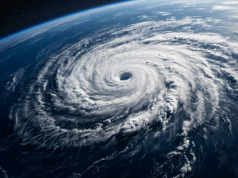
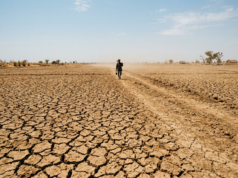
The WHO says the inclusion reflects growing recognition that climate action and health are closely connected. Climate change already affects health through extreme heat, cyclones, floods, food and water shortages, infectious diseases and disruptions to essential health services.
Why Pacific hospitals are exposed
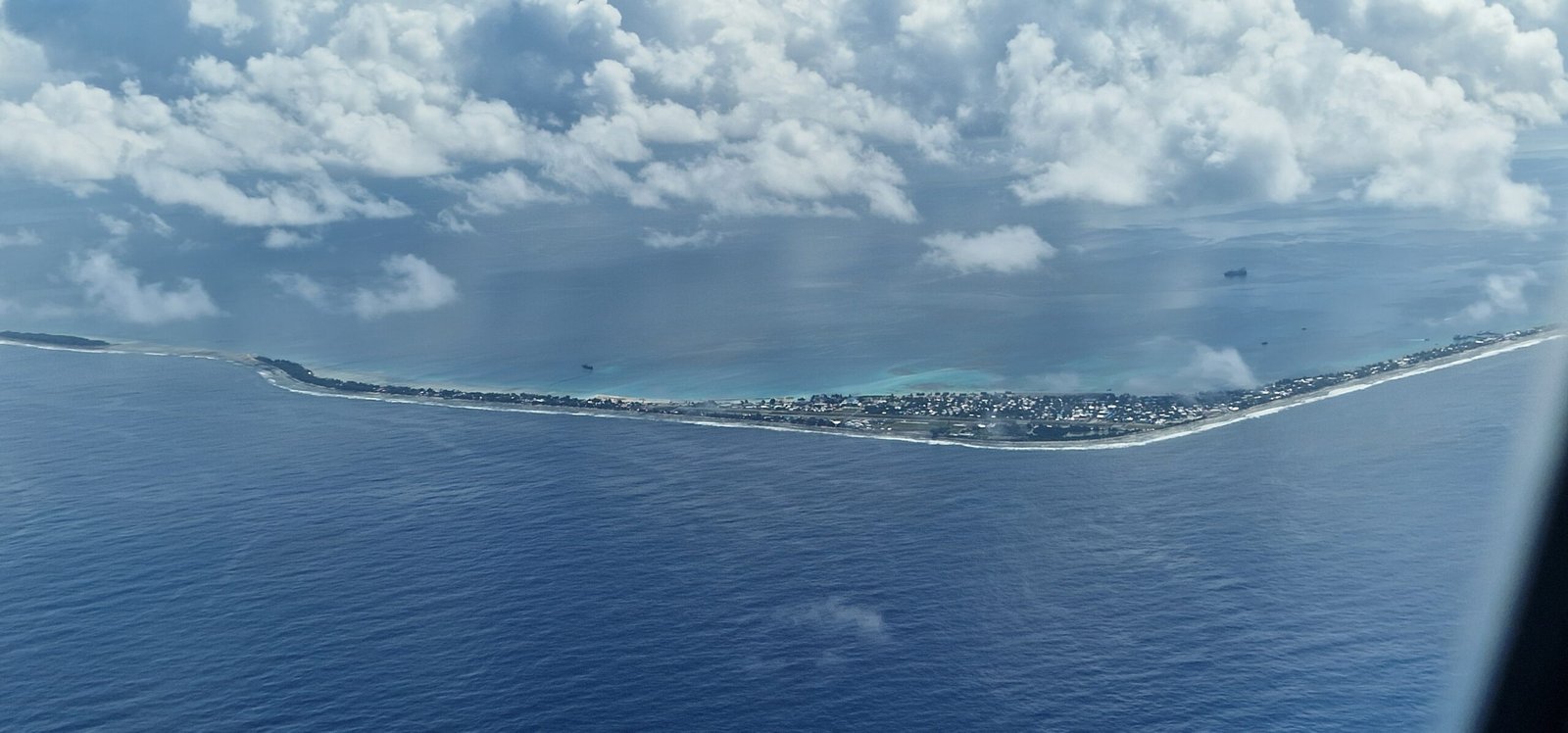
The Pacific faces particular pressures from extreme heat, cyclones, floods, rising seas and food and water insecurity. The WHO’s review of 76 hospitals in 14 Pacific island countries found that 62% of health facilities are within 500 metres of the sea or a river. The WHO says this leaves them especially exposed to flooding, storm surges and sea-level rise.
What Pacific countries want from the talks
The Pre-COP meeting gives Pacific countries and areas a chance to set regional priorities before the global negotiations. WHO Regional Director for the Western Pacific, Dr Saia Ma’u Piukala, described the meeting as an opportunity for the region to “set their priorities, experiences and leadership on the global stage”. Priorities discussed include climate-resilient health systems, preparedness for extreme weather, resilient health infrastructure and climate finance for health.
Dr Mark Jacobs, WHO Representative to the South Pacific, said that climate finance must reach “the people, communities and essential services most exposed to climate risks”. That means the money has to go where it is needed, not only to large national projects.
Climate action as a health measure
The WHO argues that well-designed climate action can also improve health. Its examples include clean energy, sustainable transport, resilient infrastructure, food systems and nature-based solutions. The WHO says these can reduce health risks while contributing to climate mitigation and adaptation.
Dr Sandro Demaio, Director of the WHO Asia-Pacific Centre for Environment and Health, put it this way: “Climate action is truly an investment in health.” He added that cleaner energy, healthier food and climate-resilient health services can protect lives and build stronger communities.
What happens next
WHO says it will support the Health Pavilion at COP31, which brings together the global health community to push for health and equity within climate negotiations. The organisation plans to keep working with countries across the Western Pacific and globally to build climate-resilient, low-carbon health systems.
Whether health commitments turn into funding and infrastructure will become clearer after COP31. For the Pacific, the most concrete test will be whether hospitals and clinics on the coast can withstand the next major storm.
Frequently asked questions
What is Pre-COP31?
Pre-COP31 is a regional meeting held before COP31, where countries in a region consolidate their priorities for the global climate talks. The Pacific Pre-COP31 took place in Fiji from 5 to 8 October 2026.
When is COP31 and where is it held?
COP31 will be held in Antalya, Türkiye, in November 2026. Health Day is on 9 November, the first day of the conference.
Why are hospitals at risk from climate change?
The WHO’s review found that 62% of 76 Pacific hospitals are within 500 metres of the sea or a river. That location leaves them exposed to flooding, storm surges and sea-level rise.
How does climate action improve health?
The WHO points to clean energy, sustainable transport, resilient infrastructure, food systems and nature-based solutions. The organisation says these can reduce health risks while also contributing to climate mitigation and adaptation.
Sources
- World Health Organization Western Pacific, “WHO joins Pre-COP31 to advance climate action that delivers for people’s health,” 5 October 2026: who.int
This article is general information, not medical advice, and does not replace assessment by a qualified healthcare professional. For any symptom or health concern, consult a clinician. See the medical disclaimer.