









The United States has recorded more confirmed measles cases in 2026 than in all of 2025. As of 1 October 2026, the Centers for Disease Control and Prevention (CDC) had counted 3,887 confirmed cases, against 2,289 for the full year before. Measles was declared eliminated in the United States in 2000, and the new numbers are putting that status at risk.
This article sets out what the CDC data shows, why outbreaks are growing, and what the vaccine can and cannot do.
What the CDC data shows
The CDC updates its measles page weekly and counts only cases confirmed by state and local health departments. Its 1 October 2026 update recorded 3,887 confirmed cases across 47 jurisdictions, including 18 cases among international visitors. The CDC also reported 42 new outbreaks this year, defined as three or more related cases.
Outbreaks account for most of the infections. The CDC says 95% of confirmed cases this year are linked to outbreaks, with 2,316 cases from outbreaks that began in 2026 and 1,384 from outbreaks that began in 2025. Outbreaks are the main way the disease keeps circulating in a population.
Counts can change. The CDC notes that states often publish case numbers on different schedules, and that its totals include only confirmed cases. Probable cases reported by states may not appear in national figures.
Why outbreaks are growing
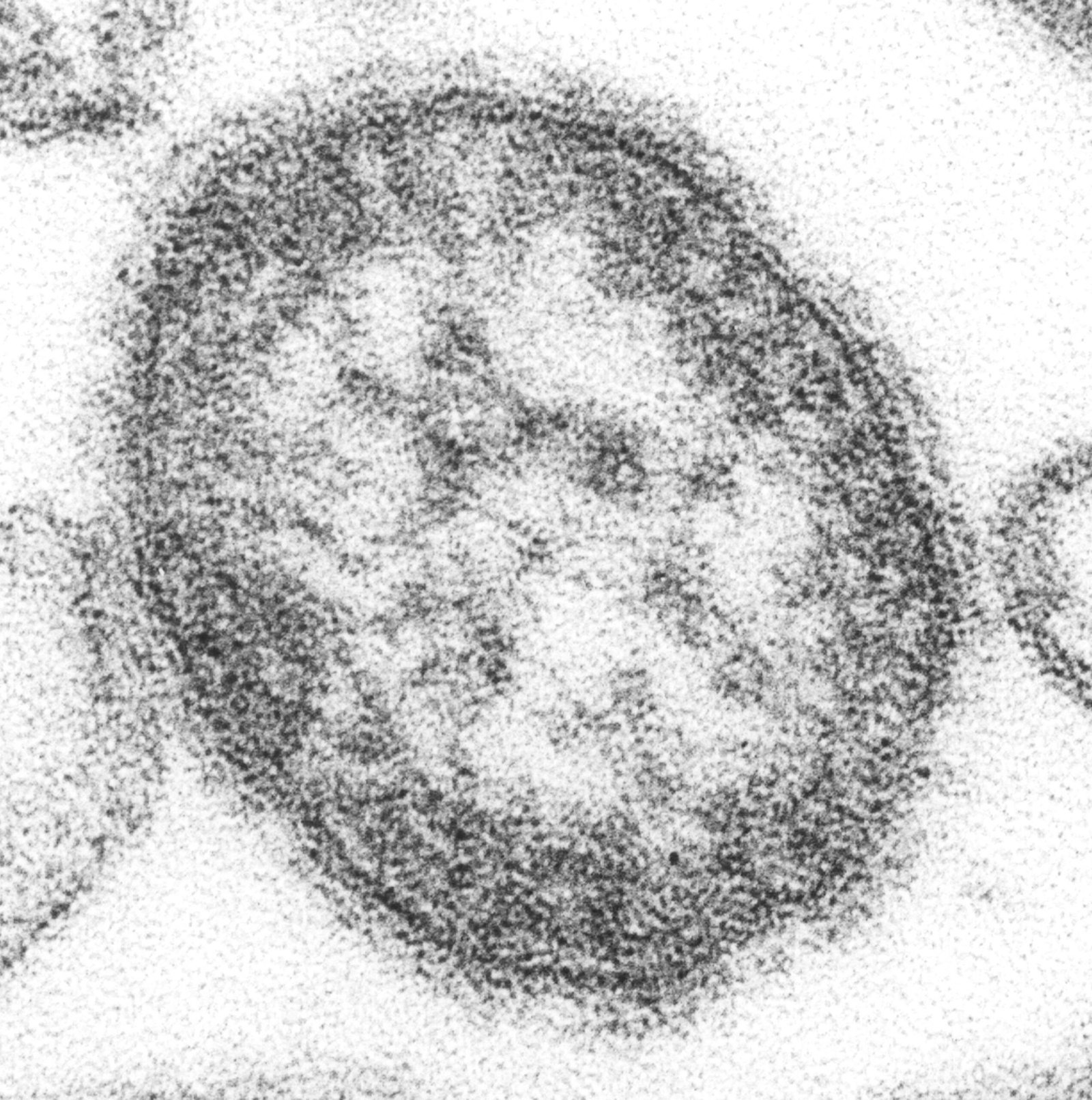
Measles is one of the most contagious diseases known. It spreads through the air when an infected person coughs or sneezes, and a person can catch it simply by being in a room where an infected person has been. The virus is brought into the country mainly by travellers who become infected abroad and then return to communities where many people are not protected.
Protection depends on vaccination coverage. The CDC says that when more than 95% of a community is vaccinated, most people are protected through community immunity. National coverage among kindergartners has fallen from 95.2% in the 2019–2020 school year to 92.4% in 2025–2026. That leaves about 280,000 kindergartners at risk, and local coverage can be much lower than the national average.
The US Congressional Research Service has noted that the country may lose its measles elimination status this year because of ongoing outbreaks. Elimination means there is no continuous spread of the virus within the country for one year.
Who is at risk
Measles can affect anyone who is not immune. The CDC says complications are most common in children under five and in adults. Pneumonia is the most common cause of death from measles in young children, according to the CDC. Swelling of the brain (encephalitis) is rarer but serious, and about 1 in 1,000 people with measles develop it.
Before the vaccine was introduced in 1963, the CDC estimates that measles caused around 48,000 hospitalisations and 400 to 500 deaths in the United States each year. Vaccination brought those numbers down sharply.
Symptoms to watch for
Measles usually begins with a high fever, a cough, a runny nose and red, watery eyes. A few days later, a red blotchy rash appears, usually starting on the face and spreading down the body. Tiny white spots (Koplik spots) may appear inside the mouth two to three days after symptoms begin, before the rash.
Anyone who develops these symptoms, particularly after possible exposure, should contact a doctor or clinic before attending in person, so that staff can take precautions. Measles is highly infectious, and early warning helps protect other patients.
What the vaccine does
The measles, mumps and rubella (MMR) vaccine is the best protection. The CDC says two doses are 97% effective at preventing measles, and one dose is 93% effective. Breakthrough infections in vaccinated people are uncommon, but they do happen, particularly during large outbreaks when the virus is circulating heavily. The CDC estimates that breakthrough cases make up about 10% of all measles infections.
People who are unsure of their vaccination history can check their records with a doctor. Anyone planning international travel should speak with a provider before leaving, because the vaccine works best when given in advance.
Frequently asked questions
How many measles cases has the US had in 2026?
The CDC reported 3,887 confirmed cases as of 1 October 2026. That figure is already higher than the 2,289 cases recorded for all of 2025.
Has the US lost measles elimination status?
Not yet according to the sources reviewed for this article. The Congressional Research Service has said the country may lose the status this year because of ongoing outbreaks.
Is the MMR vaccine safe?
The CDC describes the MMR vaccine as very safe and effective. Like any medicine, it can have side effects, and a doctor can explain the risks and benefits for any individual.
Can adults get measles?
Yes. Adults who were never vaccinated, or who have no record of vaccination, can catch measles and develop serious complications. Adults with no evidence of immunity should ask a doctor about vaccination.
Sources
- US Centers for Disease Control and Prevention, “Measles Cases and Outbreaks,” updated 2 October 2026: cdc.gov
- CDC, “Measles Symptoms and Complications,” updated 5 August 2026: cdc.gov
- CDC, “Clinical Overview of Measles”: cdc.gov
- Congressional Research Service, “U.S. Measles Outbreaks 2025-2026: Overview and Issues for Congress” (IF13322), 29 September 2026: congress.gov
This article is general information, not medical advice, and does not replace assessment by a qualified healthcare professional. For any symptom or health concern, consult a clinician. See the medical disclaimer.