











Human embryo-like model created from human stem cells
Scientists from the University of Cambridge, in collaboration with the Hubrecht Institute in The Netherlands, have developed a new model to study an early...

Scientists develop the most heat-resistant material ever created
A group of scientists from NUST MISIS developed a ceramic material with the highest melting point among currently known compounds. Due to the unique...
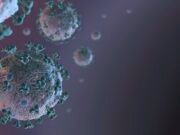
Evolution of pandemic coronavirus outlines the path from animals to humans
Summary A team of scientists studying the origin of SARS-CoV-2, the virus that has caused the COVID-19 pandemic, found that it was especially well-suited...
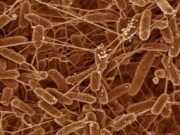
Microbial cyborgs: Bacteria supplying power
Fig 1. The bacteria (green) are embedded in a composite made of carbon nanotubes (grey) and silica nanoparticles (violet) interwoven with DNA (blue).Electronic devices...

Mats made from nanofibers linked to a red wine chemical could help prevent oxidation
Fig 1. New mesh-like mats created by Texas A&M researchers are strong, stable and deliver antioxidant activity for prolonged periods of time.Spoiling foods, souring...
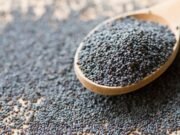
Heating poppy seeds, but not baking them in muffins, reduce opiate levels
Fig 1. Opium poppy (Papaver somniferum)You might have heard the advice to avoid eating a poppy seed bagel or muffin before a drug screen,...

Could blockchain technology be used to protect researchers working together in a pandemic?
Fig 1. Simplified visualization of elements in a possible outbreak R&D blockchain infrastructure (ORBI), with numbers and connectors indicating how sharing between a data...

Lipid metabolism controls brain development
Fig 1. With cerebral organoids produced by human embryonic stem cells, the early development of the human brain was investigated. The organ-like cell cultures...
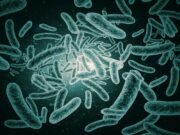
Scientists observe bacteria tumble their way out of surface traps
Fig 1. Escherichia coli.While tracing the movement of Escherichia coli, a team of French researchers noticed that near solid surfaces, the bacteria run in...
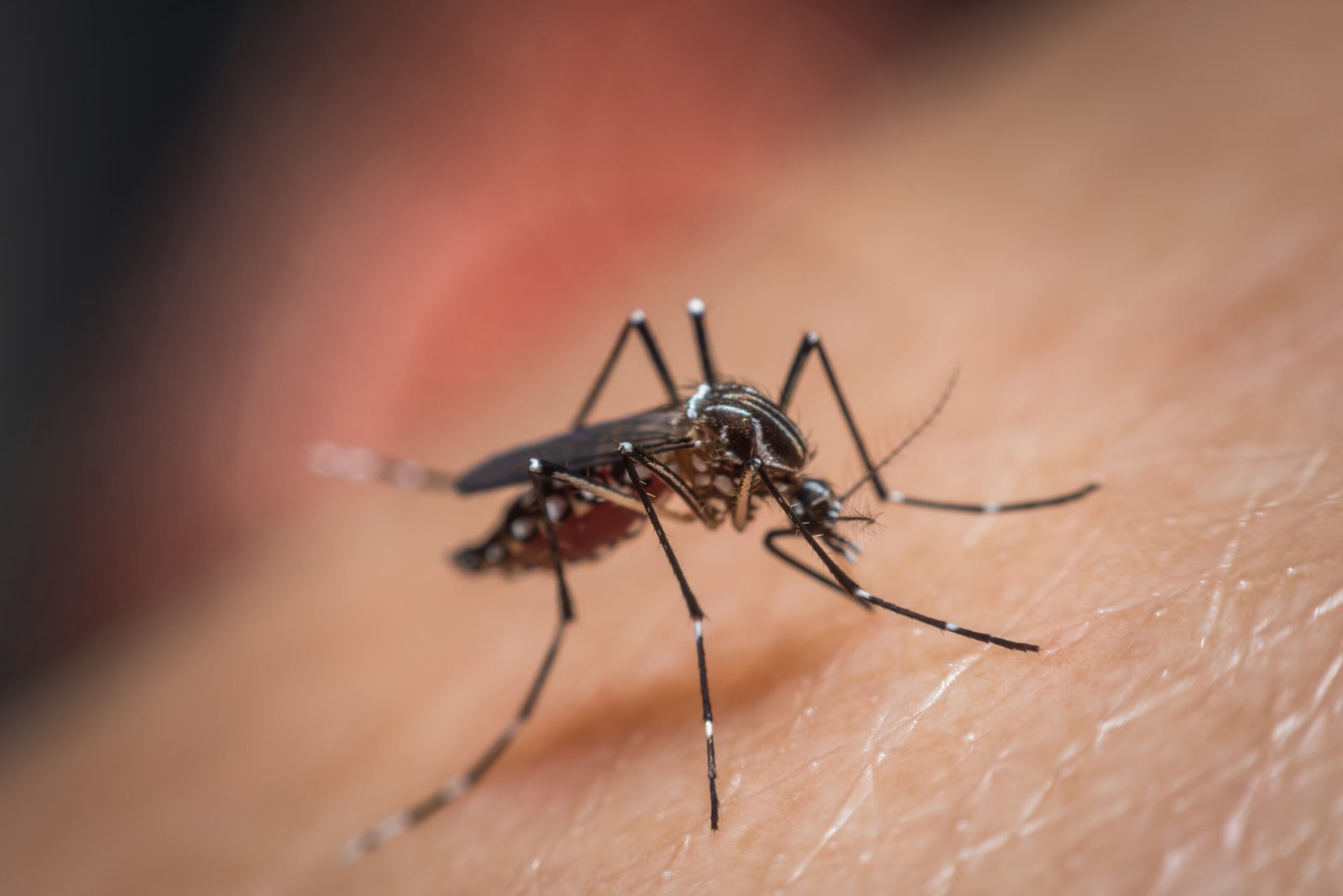
Malaria risk is highest in the early evening, study finds
Fig 1. The researchers found that mosquitoes are most likely to transmit malaria in the early evening when people are exposed, then at midnight,...