











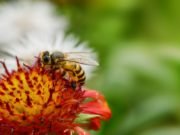
Natural fires help native bees, improve food security
Native bees that boost food crops are in decline but changing fire management policies could help them. A new study finds these native bees...
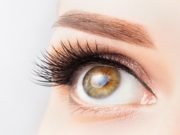
Eyes send an unexpected signal to the brain
The eyes have a surpriseFig 1. Retinal section from a mouse where cell nuclei are labelled in blue, inhibitory cells is labelled with magenta,...
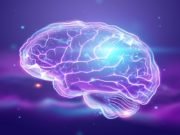
Electronics that mimic the human brain in efficient learning
Researchers advance neuromorphic computingSummary Only 10 years ago, scientists working on what they hoped would open a new frontier of neuromorphic computing could only...

Micro-device to detect bacteria, viruses
New process improves lab-on-chip devices to isolate drug-resistant strains of bacterial infection, virusesSummary Scientists designed a next-generation miniature lab device that uses magnetic nano-beads...
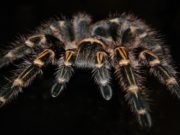
Spider venom key to pain relief without side-effects
Molecules in tarantula venom could be used as an alternative to opioid pain killers for people seeking chronic pain relief. University of Queensland researchers...

Illuminating the future of renewable energy
A new chemical compound is lighting the way for renewable energy. A new chemical compound created by researchers at West Virginia University is lighting...
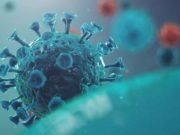
Nanostructures could safely deliver a notoriously fragile drug to coronavirus
Researchers are developing new peptide-based therapeutics for targeting and disabling the coronavirus' so-called "spike proteins." Spike proteins—the crown of bulbous projections that give the...

The building blocks of gum disease
Fig 1. Most bacterial cells are covered in tiny, hair-like structures called pili. Their diameter is smaller than 1/10,000th of a human hair. Porphyromonas...
Researchers use nanotechnology to develop new treatment for endometriosis
Scientists have developed a precise, nanotechnology-based treatment to alleviate the pain and fertility problems associated with endometriosis, a common gynaecological condition in women of...
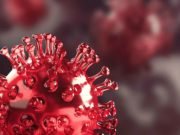
Viruses don’t have a metabolism; but some have the building blocks for one
Fig 1 . 'Brown tide virus' is a member of a class called the giant viruses. Researchers have discovered genes for key cellular metabolic...