








Iron Man of India: The Essential Guide to 4 Contenders and the Truth
Ask anyone who the iron man of India was and you will usually get the same confident answer: Sardar Vallabhbhai Patel. But the honest truth is more interesting than that, because at least four Indian leaders have genuinely been given the title, and there is a real historical argument about who was called it first. This guide lays out all four candidates, explains where the title came from, and tells you which answer is correct in which context.
Read to the end and you will be able to answer the question correctly in an exam, in an argument with a friend, and with the historical nuance that most published answers leave out entirely.
The Short Answer
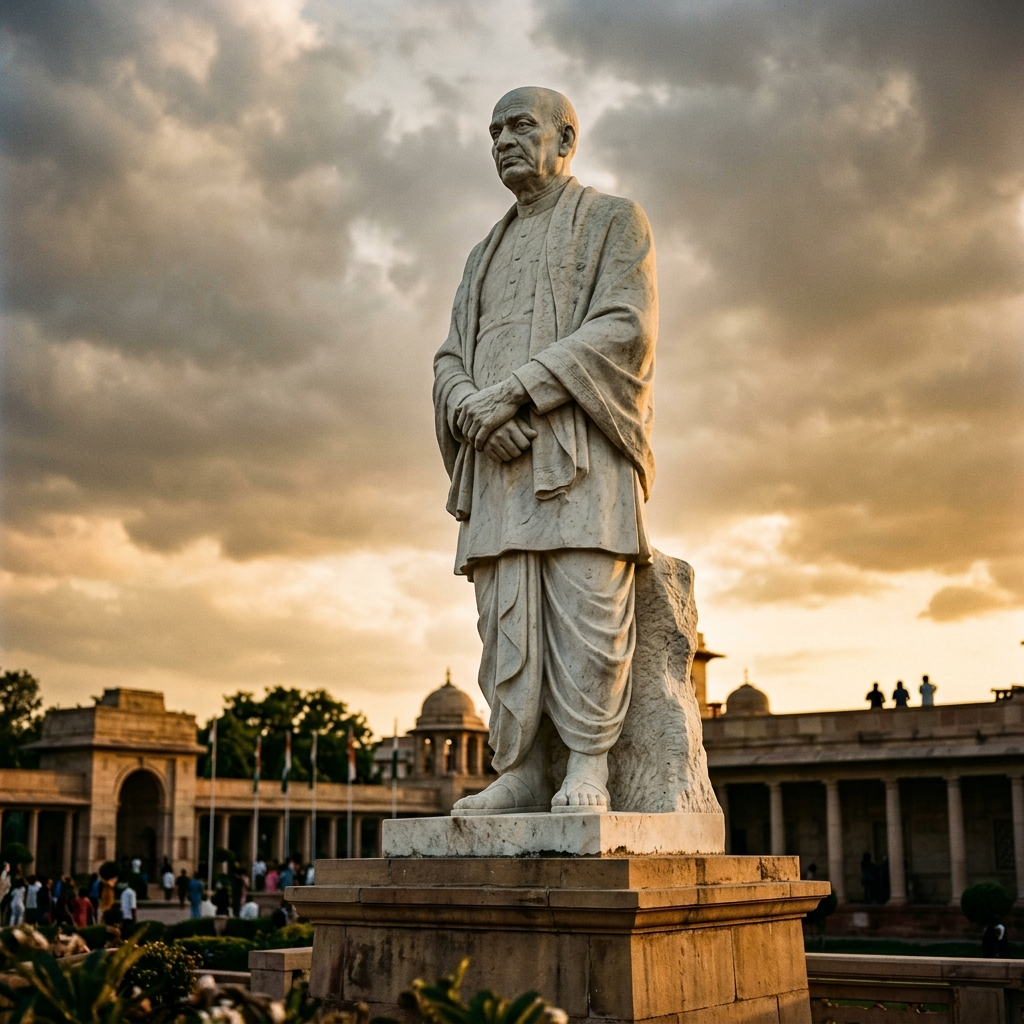
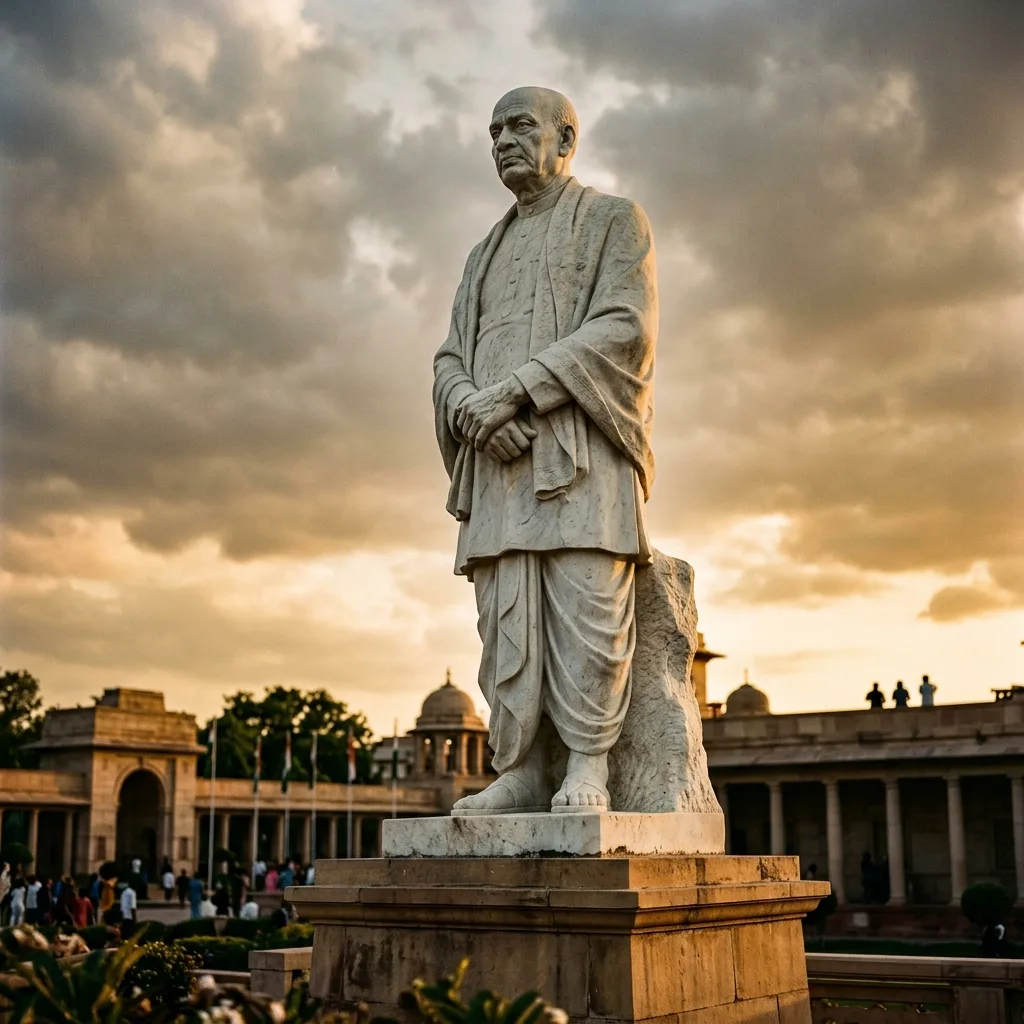
Ask who is the iron man of India and the most widely accepted answer is Sardar Vallabhbhai Patel. The title was conferred on him by Jawaharlal Nehru, and it stuck: it appears in school textbooks, government tributes, and the name of the world’s tallest statue, the Statue of Unity in Gujarat, which was dedicated to him in 2018.
The complication is that Dr B. R. Ambedkar has a strong and serious claim to the same title, Jayaprakash Narayan has been given it too, and some sources place the first use of the epithet before Patel. If your question is who holds the title today, say Patel. If your question is who deserves it most, that is a genuine debate, and this guide explains both sides.
Where the Title Came From
The origin of the epithet matters, because it is the reason the dispute exists at all.
After independence, Nehru faced a country that had nearly fractured. Hundreds of princely states had to be brought into the Indian Union, and the person who did that work was Patel, who travelled thousands of miles by train, plane, jeep and on foot to persuade reluctant rulers. Nehru, who was himself a much more intellectual and less physically imposing figure, famously said of him: “If we had a Patel, we would not have had a Nehru.”
That single line, more than any formal ceremony, is where the title comes from. The public read it as a statement that Patel was the strongman without whom independence might have failed, and the nickname became permanent. Patel’s own explanation of his method was characteristically blunt: he simply told the princes that his army was now the Indian army, and that joining the Union was no longer a negotiation.
The remarkable detail, and the reason historians rank him, is that he then gave up the posts he could have had. He turned down the first Prime Minister position, served as Deputy Prime Minister and Home Minister instead, and never became a crowd-pleasing public celebrity. The title stuck precisely because he behaved nothing like a man collecting titles.
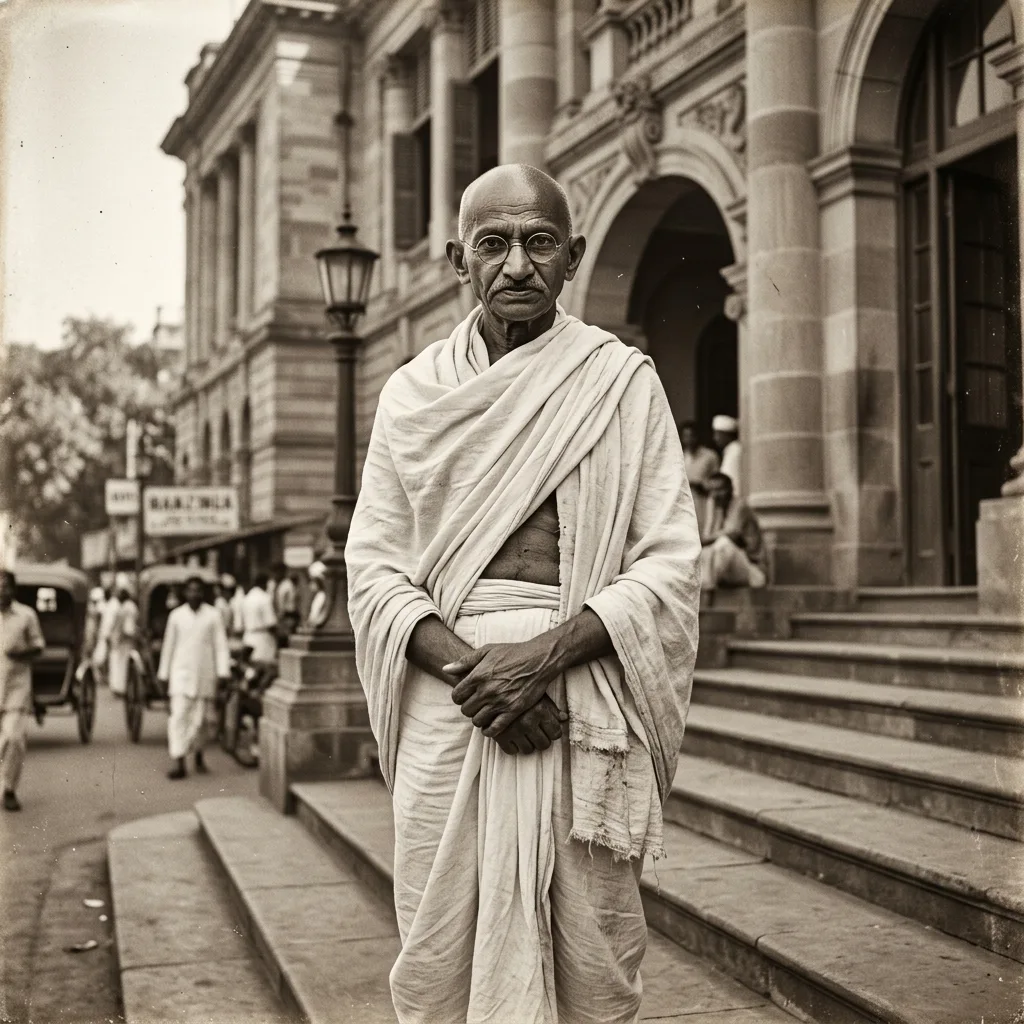
Contender 1: Sardar Vallabhbhai Patel (The Standard Answer)
Patel is the answer in roughly nine out of ten Indian school textbooks, and for good reason. You can read the fuller biography at Britannica’s Sardar Vallabhbhai Patel biography, but the essentials of the case are these:
- Integration of the princely states. Roughly 562 princely states had to be integrated after 1947. Patel’s negotiation and the pressure of the Indian army brought them in. Without this, India would have faced a fragmented, weak federation.
- Command of the armed forces during a crisis. In 1947, with Pakistan pressing in from the west, Patel raised the strength of the Indian army from a handful of divisions to a formidable force. He took personal charge of Kashmir operations, which is the single most contested part of his legacy.
- Land reform and the abolition of zamindari. He pushed through the abolition of the zamindari system, which broke the power of the feudal landholding elite and remains one of the most consequential economic decisions of independent India.
- Gujarat as a laboratory. In 1928 he led the Bardoli Satyagraha, a peasant movement that won a 22 percent revenue reduction for cultivators. It was Gandhi’s endorsement that made it national, but the strategy was Patel’s.
- Discipline during the freedom struggle. He organised the 1942 Quit India movement, coordinated with revolutionaries while keeping the Congress structure intact, and served prison terms without ever abandoning organisation.
He was posthumously awarded the Bharat Ratna in 1991. The Statue of Unity at Kevadia, standing at 182 metres, is dedicated to him and is the tallest statue in the world.
The weakness of his case: his Kashmir decisions in 1947-48 resulted in the displacement of a very large population, and historians continue to debate whether military expediency justified the human cost. An honest account of Patel has to hold that record alongside the integration achievement.
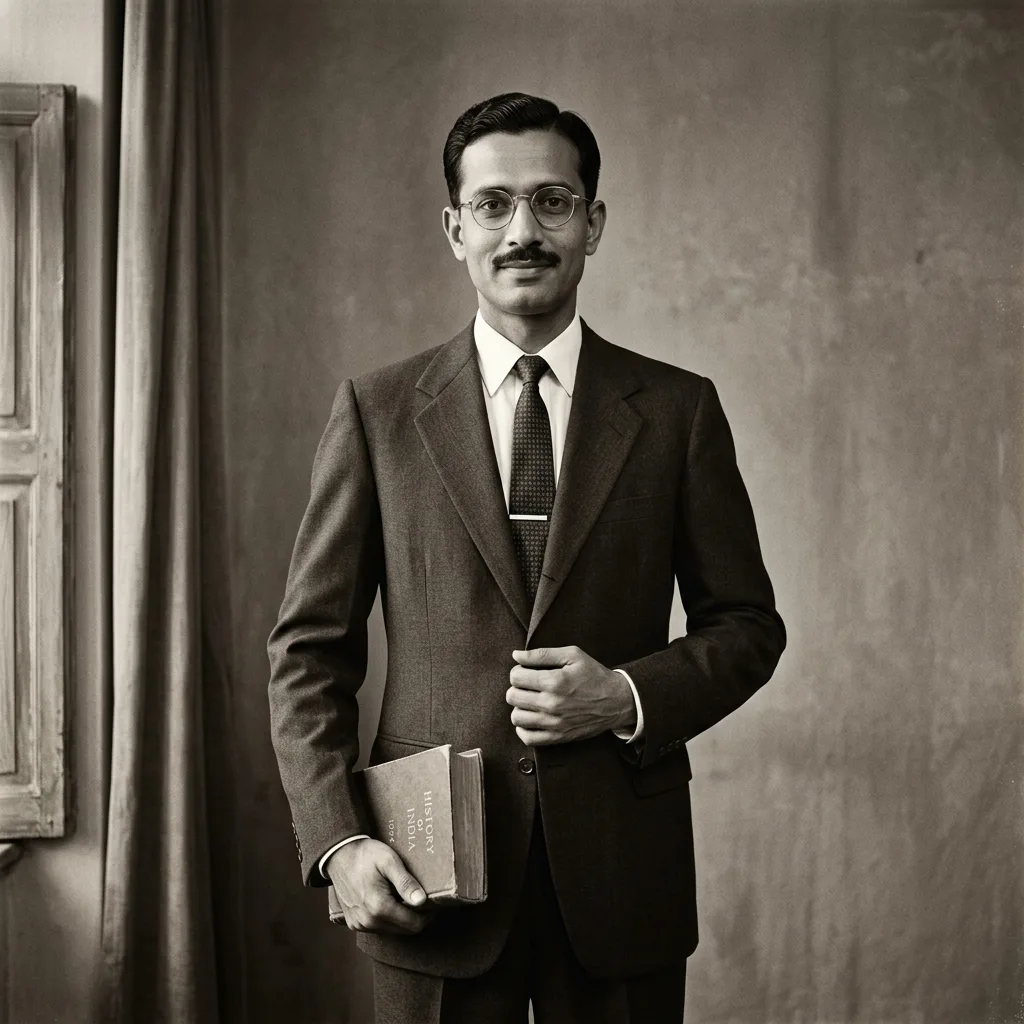
Contender 2: Dr B. R. Ambedkar (The Strongest Rival Claim)
This is the argument that makes the question genuinely unsettled. Ambedkar is usually called the Father of the Indian Constitution, but there is a serious case for the iron man of India title, and it has been pressed by his followers in state assemblies and in Parliament.
What he did, in compressed form: he chaired the Drafting Committee that wrote the Constitution, served as the first Labour Minister of independent India, pushed through the Hindu Code Bill that reformed Hindu personal law on marriage, inheritance and divorce, built the labour movement that gave India its industrial workforce, and spent his final years in exile in the United States after resigning over the exclusion of Dalits from the Guru Dwara Sobha temple in Delhi.
- He drafted the document that kept India together legally. While Patel integrated the country through negotiation, Ambedkar wrote the constitutional mechanism that made 549 different linguistic and religious communities into one republic that would not disintegrate.
- He faced down the most powerful lobby in the country. Resigning his cabinet position in 1951 over the temple entry issue required a particular kind of physical and moral courage.
- He built movements, not just parties. Mahad Satyagraha, the temple entry movement, and the labour movement all required organising people the establishment wanted to keep out.
Ambedkar’s biographical details are covered at Britannica’s B. R. Ambedkar biography. The critical point for this debate is that when the Government of India has been asked to officially confer the title on Ambedkar, it has declined, on the grounds that the epithet belongs to Patel. That refusal is political, not historical, and the campaign to reassign it has continued for decades, including a resolution passed in a state legislature in 2018.
The weakness of his case: Ambedkar’s method was legal and legislative. He won his victories through argument, committee work and drafted text rather than through the direct personal confrontation for which the title “iron man” implies.
Contender 3: Jayaprakash Narayan
Jayaprakash Narayan, universally called Lok Manav (man of the people), is the third serious candidate. His Britannica entry records a life that spans a very different kind of toughness.
- He built the Congress Socialist Party and later, after independence, the Bharatiya Jana Sangh, the ancestor of the Bharatiya Janata Party.
- He led the 1974 movement that brought Indira Gandhi down, mobilising students, railway workers and the middle class in a year-long campaign that the Emergency made famous.
- He had no institutional power and was repeatedly imprisoned, which fits the popular image of an iron man more closely than most officeholders do.
His claim is weaker on the specific “iron” quality but stronger on the “man of the people” quality, which is why he is frequently confused with the title in popular usage even though it was not formally his.
Contender 4: The Supporting Case
Two further names appear in the discussion often enough to be worth a note.
Mahatma Gandhi is sometimes associated with strength, and there is a documented pattern of Gandhi applying animal metaphors to his colleagues. However, calling Gandhi the iron man is not a serious historical claim, and you will rarely find it in a reputable source.
Subhas Chandra Bose is claimed by a different tradition entirely, as the leader of the Indian National Army and a symbol of uncompromising nationalism. He is not normally given the title, but he belongs in any honest list of figures who built India through force of will rather than negotiation.
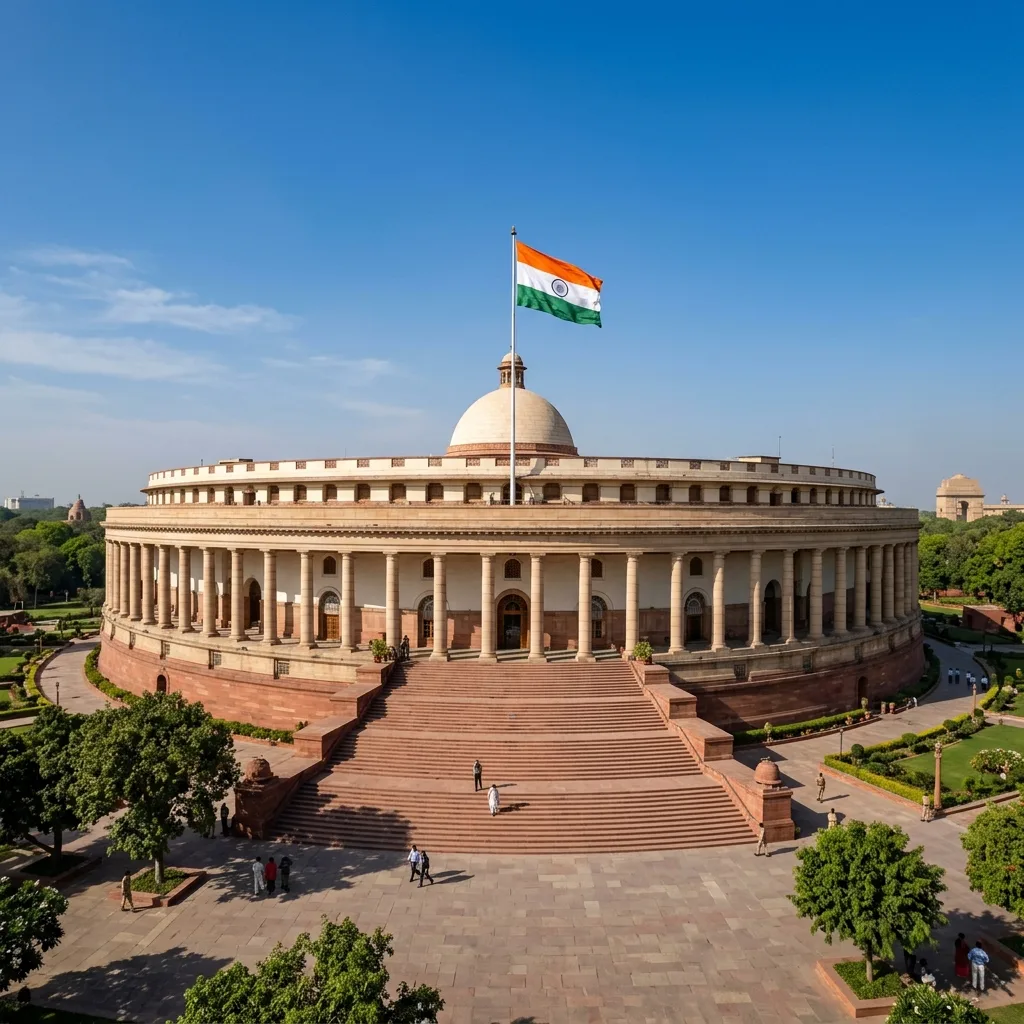
The Four Contenders Compared
| Figure | Main claim to the title | Strongest argument against |
|---|---|---|
| Sardar Vallabhbhai Patel | Integrated the princely states; Nehru publicly conferred the epithet; built the post-independence state | Contested handling of Kashmir in 1947-48 |
| Dr B. R. Ambedkar | Wrote the Constitution; faced and defeated the highest social and legal resistance of his era | Worked through law and committee rather than confrontation |
| Jayaprakash Narayan | Mass leader without office; led the 1974 anti-Congress movement | Never formally given the title in official usage |
| Subhas Chandra Bose | Uncompromising nationalism; led the INA outside India | Political position outside the mainstream Congress mainstream |
Read that table honestly and the pattern is clear. Patel has the title. Ambedkar has the strongest competing claim. The other two are honourable mentions that appear in conversation rather than in textbooks.
Who Was the FIRST Iron Man of India?
This is the specific version of the question that trips people up, and it is worth answering directly because there is a documented basis for the claim that the epithet existed before it was applied to Patel.
Some historians and biographers point out that the phrase was used about Dr Ambedkar in the early 1950s, and that the usage attached to Patel solidified after 1947 and into the 1950s, becoming the dominant public meaning over the following decades. Whether Ambedkar or Patel was first is not settled by any single authoritative decree, because the title was never formally conferred by any body.
What is certain is the sequence of formal recognition:
- Nehru’s public association of the epithet with Patel, from 1947 onward, made it common knowledge.
- Ambedkar was described by contemporaries in the same terms, particularly in the early 1950s.
- By the 1960s and 1970s, the title was effectively Patel’s alone in public usage.
- Ambedkar’s followers began a formal campaign to reassign the title, which continues today.
So if your question is who was the first person given the title, the defensible answer is that the title was in circulation for Ambedkar and Patel in the same late-1940s to early-1950s window, with Nehru’s usage being what made Patel’s version stick. Anyone who tells you there is one documented first holder is overstating the certainty.
Which Answer Should You Give?
- In an exam or school test: say Sardar Vallabhbhai Patel. That is the expected answer, it is what every textbook says, and it will be marked correct.
- In a discussion or debate: say Patel is the accepted title-holder, and that Ambedkar has the strongest rival claim, with the reason being the Constitution and the temple entry confrontation.
- In a WhatsApp group: say Patel, then mention Ambedkar, and enjoy the argument.
- If you want the historically careful version: the title was never formally conferred, it was popularized by Nehru for Patel, and the campaign to give it to Ambedkar is a live political issue rather than a settled question of fact.
Common Misconceptions
- That the title was formally awarded. It was not. No government body ever voted to confer it. It is a nickname that became a fact through usage.
- That Patel was Prime Minister. He was the first Deputy Prime Minister and the first Home Minister, and he declined the Prime Minister position. This is often misremembered in both directions.
- That Ambedkar was overlooked because of caste prejudice alone. Caste was a major factor in the temple entry confrontation, but the decision to keep the title with Patel also reflected which achievement the state chose to celebrate. Both factors mattered.
- That the Statue of Unity proves the title. A statue is a tribute, not a title deed. It reflects the current official preference, which is exactly the thing being contested.
How to Remember the Answer Under Pressure
If you are studying this for an exam, the fastest way to lock it in is to separate the two questions, because they have different answers and examiners test both.
The first question is who holds the title, and that is Vallabhbhai Patel. The second is who has the strongest rival claim, and that is Ambedkar. Students who blur the two together tend to lose marks on the follow-up question even when they get the headline right.
A useful memory trick is to sort the four candidates by what they actually did, rather than by how strong they looked:
- Patel built the country. He negotiated, commanded troops, and administered. His tools were power and administration.
- Ambedkar wrote the country. He drafted, legislated, and organised. His tools were law and argument.
- Jayaprakash Narayan moved the country. He mobilised without office. His tool was the street.
- Bose fought for the country. He organised force beyond India’s borders. His tool was the army.
Once you hold that distinction, the title debate becomes easy to reason about rather than something to memorise blindly. The reason Patel won the title is that his achievement was the most visible and the most immediate: he prevented the country from splitting apart. Ambedkar’s achievement was slower and quieter, which is precisely why it needed a later campaign to be recognised.
Frequently Asked Questions
Who is called the Iron Man of India?
Sardar Vallabhbhai Patel, the first Deputy Prime Minister and Home Minister of India, is the standard answer. Dr B. R. Ambedkar has a strong rival claim, and Jayaprakash Narayan is occasionally included.
Who was the first person given this title?
The title was never formally conferred, so no single official record exists. The epithet was in circulation for both Patel and Ambedkar in the late 1940s and early 1950s, and Nehru’s public usage is what made the Patel version dominant.
Why is B. R. Ambedkar given the same title?
Because he drafted the Constitution of India, reformed Hindu personal law as the first Labour Minister, and confronted the temple entry question by resigning his cabinet position. Supporters argue this combination of institutional and moral force outranks Patel’s political integration work.
Did Sardar Patel really earn the title from Nehru?
There was no formal ceremony. The association became public through Nehru’s frequently quoted remark about Patel being the one man who could have held India together. The nickname spread from that and stuck.
Is Jayaprakash Narayan given this title too?
He is called Lok Manav, man of the people, far more often. He led the 1974 movement that ended the first Indira Gandhi government without ever holding office, which is why he appears in the discussion, but he is not the standard answer.
What did Sardar Patel do that made him so powerful?
He integrated more than 560 princely states into the Indian Union, built up the Indian army during the 1947 crisis, and abolished the zamindari system. He then gave up the Prime Minister position and stayed Deputy Prime Minister until his death in 1950.
Does the title belong to Patel alone?
No. It is officially and popularly Patel’s, but there is an active campaign, supported by state legislature resolutions, to formally recognise Ambedkar instead. That campaign has not succeeded at the national level.
The Honest Answer
The iron man of India is Sardar Vallabhbhai Patel, and in any practical context that is the answer you give. He integrated a fragmented new country, built its army, reformed its land system, and then refused the office that would have made him the most powerful man in the country, which is the behaviour that actually created the title.
But if you want the argument at its strongest, the case for Dr Ambedkar is that he wrote the document that made India’s unity legally permanent, and that he did it while being personally attacked by the most powerful social establishment in the country. Both men were, in their different ways, iron. The title went to the one who was harder.
For a wider look at the figures who built modern India, our guides to evidence-based health topics and practical tech tools cover the same approach: primary evidence, clear reasoning, and a conclusion you can actually check.
Explore more on Dangit: health, technology, science, nature, featured, lifestyle, society, the local business directory and more reading.