







Home Health Cupping Therapy: The Complete Guide to Benefits, Risks, and Aftercare

Cupping Therapy: The Complete Guide to Benefits, Risks, and Aftercare

24
1
Cupping therapy suction cups placed on a back during a treatment session
One of the oldest physical treatments still practised across two continents, this therapy keeps drawing people for pain relief and recovery.

Cupping has gone this round from a clinic-room practice to a wellness trend, but it is anything but new. It is one of the oldest physical treatments in recorded medicine, used in China for over two thousand years and equally at home in Arab, Indian, and European tradition. This guide separates what cupping is, how it works, its evidence for pain and other conditions, the different styles, and the side effects a first-timer should weigh before booking a session.

What is cupping therapy?

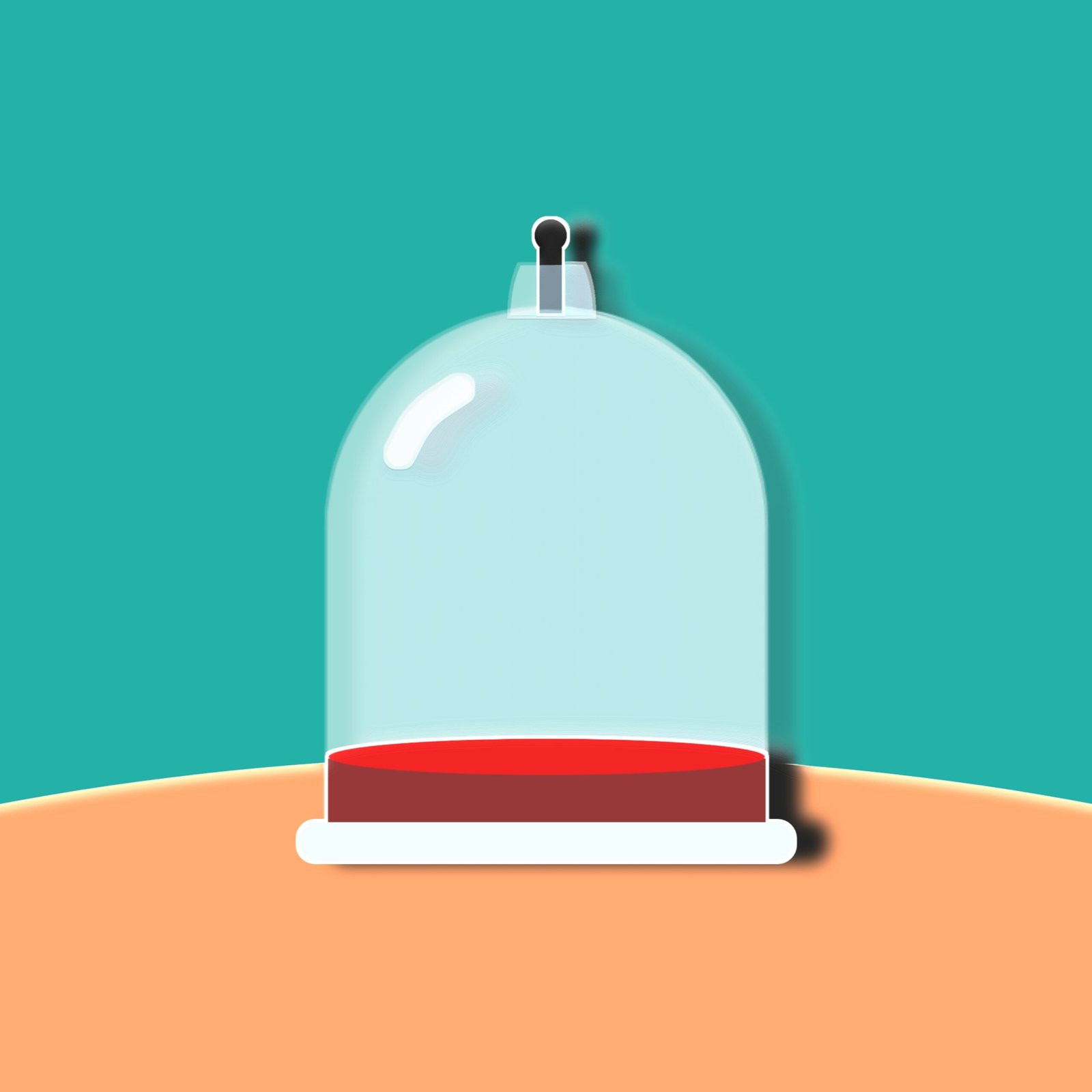
The practice places suction cups on the skin for a few minutes to lift the tissue beneath the cup. The suction comes from heat, a pump, or a manual squeeze, and the effect is a firm, localised pull on the skin, fascia, and the small vessels sitting under it. Practitioners position cups along the back, shoulders, legs, or the specific area of complaint, and the skin under each cup reddens into a circular mark that fades over days.

Two broad families exist. Dry cupping applies suction alone, while wet cupping adds tiny skin punctures so that a small amount of blood is drawn into the cup — the version still common in traditional and Islamic (hijama) practice. Both deliver the same suction; only the skin preparation differs.

The marks are not bruises in the garden-variety sense. They are localised vasodilation — the tiny vessels opening wider in response to the pull — and they typically clear in three to ten days. Practitioners trained in the style with the strongest evidence base for safety matter far more than the specific cup brand or price, and that distinction runs through everything below.

How does cupping therapy work?

There is no single agreed mechanism, and that is worth stating plainly, because most clinics confidently overstate one. The most-discussed ideas are: increased blood flow to the cupped area, which may ease local tension; stimulation of the fascia and skin mechanoreceptors, which can blunt pain signals in a gate-control fashion; and the placebo response, which is real and measurable for any hands-on treatment. Wet cupping adds the idea of drawing concentrated blood from a congested area, a theory from traditional medicine that modern trials have not yet proven or disproven.

What trials do show is that cupping appears to reduce pain, especially muscle pain, in a meaningful share of people, while the exact physiological route remains debated. The practical read: the treatment does not need a complete mechanism to be useful, and it does not need to be sold as a miracle to be worth trying — for the right condition, with a trained practitioner.

Cupping benefits: what the evidence actually supports

The evidence is thinnest for dramatic claims and strongest for straightforward ones. The most consistent finding across reviews is a reduction in back and neck pain, the conditions cupping is most used for in clinic settings. A widely-cited 2018 meta-analysis of randomised trials found cupping reduced chronic neck and back pain more than no treatment, and the effect held across both dry and wet styles.

Second to pain is muscle recovery after exercise — many athletes use cupping for delayed soreness, though the studies here are smaller and less uniform.

Beyond pain, evidence is limited or mixed: some early work on herpes zoster (shingles) pain, acne in combination therapy, and respiratory conditions shows promise but is not consistent enough for firm claims. What reviewers keep saying is that most studies are small, short, and at risk of bias — which means the condition that pays is pain, and everything else is speculative until better research arrives.

Wet cupping and hijama: the traditional connection

Wet cupping, known as hijama in Arabic and Islamic medicine, is the style with the deepest history in the Middle East and South Asia. It is practised on the shoulders, upper back, and sometimes the face, in the cupping style many readers will recognise from their own regions. The ritual parallels dry cupping but adds small controlled skin punctures before the suction draws a small volume of blood.

For an uncomplicated patient, wet cupping by a properly sterilised practitioner carries similar low risk to dry cupping, with the small added risk of wound care. The most important point for anyone exploring it: the hygiene standards of the practitioner decide safety more than the tradition does. Single-use cups and needles, gloves, and proper disinfection are non-negotiable — ask before you lie down.

Cupping from the neck up, and the workhorse areas

Facial cupping uses small silicone cups with gentle suction, mostly to increase local circulation and ease tension in the face, jaw, and neck. It is popular in facial wellness routines, though evidence for cosmetic effects is largely anecdotal. Shoulder and upper-back cupping, by contrast, is the workhorse of the practice — the area where pain relief evidence is best and where first-timers most often notice a genuine loosening effect.

Facial cup marks are deliberately kept light and fade quickly, while back marks can persist for over a week. Because the face carries a higher cosmetic and skin-injury risk profile, facial cupping is best left to the same trained practitioners rather than home kits, and anyone on blood thinner medication should avoid it entirely.

Side effects, and who should skip cupping entirely

The expected side effects are the marks themselves, temporary soreness in the cupped region, and mild dizziness in rare cases. Infection is possible whenever skin is broken, which is why wet cupping demands visible hygiene. Bullae, or fluid blisters, occasionally form under a cup held too long, and burns can occur with unfamiliar fire-cupping techniques.

Cupping should be skipped entirely by people on blood-thinning medication, people with bleeding disorders, those with open wounds or active skin infection in the target area, pregnant women on the abdomen or low back, and people with severe chronic disease unless a doctor clears it. Never allow cupping anywhere near a deep vein thrombosis, and never use it as a substitute for diagnosis — persistent pain in the chest, legs, or abdomen needs a proper evaluation first, not a cup.

Cupping vs massage and other manual treatments

Massage works muscles through pressure and movement; cupping works through suction and immobilisation. Many practitioners combine the two, and for neck and back pain the difference in outcomes between them is rarely dramatic — which is more a comment on how well hands-on care works than on cupping specifically. Compared with stretching, heat application, or self-massage, cupping adds the passive, low-effort appeal of a treatment you receive rather than perform, which is part of why adherence is high.

The practical guidance from reviews: cupping is a reasonable option for chronic muscular pain, especially when other approaches have stalled, but it belongs beside — not instead of — strengthening, movement, sleep, and, where relevant, blood pressure and metabolic care. Physical treatment and the metabolic basics are separate conversation tracks, and chasing one while ignoring the other misses the point.

Does cupping help sore muscles after exercise?

Partially, and with better design than most assume. Studies in recreational athletes report less perceived soreness and faster short-term recovery after cupping sessions, and the mechanism hypothesis — increased local blood flow clearing metabolic by-products — is plausible though not settled. Effects appear modest and shorter-lived than marketers suggest.

The strongest message remains the safe one: cupping is an adjunct. The foundation of recovery is hydration, protein, progressive training, and sleep — and cupping sits on top of that foundation as comfort, not as the foundation itself. Anyone using cupping for serious or worsening muscular pain should first rule out injury that needs specific care.

Cupping for blood pressure and circulation: what research says

There has been genuine interest in whether wet cupping lowers high blood pressure, and early studies — many conducted in the Middle East and South Asia — report meaningful short-term drops in systolic pressure after a session. The numbers look encouraging, but the trials are small, and a single post-session reading does not prove sustained control. The role that evidence supports is narrow: a relaxation-adjacent practice whose circulatory effects are plausible and under-sure.

Cupping is not a treatment for hypertension and must never replace measured, medication-supported blood pressure management. If you want to combine practices, the bigger wins come from the fundamentals — a lower-sodium diet, regular walking, weight and blood sugar control — and cupping can join that routine only as a comfort practice, discussed with your doctor rather than substituted for one.

How to prepare for a cupping session

A good session starts with honesty: tell the practitioner about medications, bleeding history, skin conditions, and any recent surgery. Arrive hydrated and avoid heavy alcohol the night before. Sessions typically last fifteen to forty minutes — cups applied, left for five to fifteen minutes depending on style, then released. Wet cupping adds disinfection and a small dressing step.

Afterwards, keep the area clean, expect marks, and remember that a dramatic mark is not a measure of treatment success — darker suction does not mean more healing. If soreness persists beyond a few days, or the site becomes red, warm, or painful in a spreading way, that is a signal to contact a clinician, not to book a stronger session. For a first cupping therapy appointment, plan a restful evening rather than a demanding workout, because the treated muscles stay sensitive for a day or two.

How often can you do cupping therapy?

For chronic pain, common clinical practice spaces sessions two to four weeks apart, letting marks and tissue settle between visits, with the first signs of benefit usually appearing after a session or two. Wet cupping is classically repeated at intervals measured in weeks rather than days, partly for healing of the small punctures.

There is no research basis for indefinite weekly sessions, and a practitioner who pushes unlimited frequent packages over a real treatment plan is selling volume, not care. If several conven- tional sessions bring no change, the more productive next step is a proper re-evaluation of what is actually driving the pain — which is a diagnosis problem, not a cup-quantity problem.

Who should perform it, and the questions to ask first

Titles vary enormously across regions. In some countries the practice sits inside regulated physiotherapy or traditional medicine boards; in others anyone with a certificate can call themselves a cupping therapist. Because the treatment touches skin, small blood vessels, and occasionally breaks the skin, the person holding the cup matters more than the cup itself. A safe practitioner is ideally trained in an established style, works from a clinic with visible hygiene standards, and asks you questions before placing a single cup. Cupping therapy delivered by an unqualified provider is where most of the reported harm happens.

Questions worth asking before you book: How long have you been practising, and under which style or lineage? Do you use single-use cups, or sterilise reusable ones between clients? When wet cupping is involved, are needles single-use and opened in front of you? What happens if a mark blisters or a session makes the pain worse? A direct, unhurried answer is a good sign; vagueness about hygiene is a reason to leave.

What the research does not support, said plainly

It is worth listing what evidence does not back, because marketing copy routinely claims it. There is no reliable evidence that cupping removes toxins, boosts immunity against specific illnesses, cures asthma or eczema on its own, or treats organ diseases by “drawing out” blood from a congested area. Reviews and meta-analyses are consistently more cautious than the brochures: they report plausible benefits for pain, limited effects for a few secondary conditions, and an honest gap between popular claims and the size and quality of trials.

None of this makes the treatment worthless. It makes it a comfort and pain-relief practice with real but bounded uses — which, used honestly, is exactly what most people want from it. Expecting it to fix a slipped disc, an autoimmune condition, or an infection is the path to disappointment, and to delaying the care that actually has evidence behind it.

How to tell if it is working for you

Since the benefit is subjective, the test should be likewise. Keep three reference points in your head before the first session: how does the area usually feel during your worst hour, how does it feel the day after a session, and does any improvement outlast the marks themselves, which fade in days while the effect claims stretch longer. People who benefit typically describe a loosening in the treated muscles that persists for several days to a couple of weeks.

If several sessions produce no change in symptoms, the productive response is not more sessions but a different question: is the underlying problem what we assumed? Persistent pain that does not respond to anything deserves a proper diagnosis, an imaging scan if needed, and a review of the mechanical and metabolic causes rather than an escalating schedule of cups.

Frequently asked questions about cupping therapy

Does cupping therapy hurt?

Most people describe the suction as tight and pulling rather than painful. Sharp pain during application usually means the cup is too strong or placed over a sensitive area and should be adjusted immediately. Marked tenderness after sessions is common for the first day or two.

How long do cupping marks last?

A few hours to roughly ten days, depending on suction strength and skin sensitivity. Marks fading faster than that is common on the face and neck; darker, longer-lasting marks usually follow stronger suction and are not a sign that the treatment worked better.

Can you do cupping at home?

Silicone self-cupping kits exist and are generally safe for gentle use on the back and shoulders, but the face and any wet cupping should be left to trained practitioners. Without training, the risks are burns, blisters, and infection — all of which happen more often in home use.

Is cupping therapy safe for everyone?

No. People on blood thinners, those with bleeding disorders or active skin infection, and pregnant women on the abdomen or lower back should avoid it. For everyone else, the deciding factor is practitioner hygiene and your own medical honesty.

Does cupping bruise or scar permanently?

The circular marks are not permanent scars; they are temporary vasodilation and fade. Long-term marks are rare and usually indicate complications such as infection or blistering, which again points back to practitioner skill.

Is cupping therapy covered by insurance?

Rarely, especially outside clinics that bill it as part of physiotherapy or integrative pain care. Check with your provider; most patients pay out of pocket, which is another reason to compare session quality, not just price.

Bottom line

Cupping therapy is a genuine traditional treatment with the strongest evidence for muscular back and neck pain and a modest supporting role in recovery and relaxation. It is not a cure for hypertension or a substitute for diagnosis. Choose a properly sterilised, well-trained practitioner, be honest about your health history, and treat cupping as one comfortable habit among the fundamentals — movement, nutrition, blood pressure, and blood sugar control — rather than a shortcut past them.

Sources and references

Applying cupping to the face? Facial application has its own risks, costs, and aftercare rules, and hijama on the face is covered in detail in our dedicated guide: Hijama on Face: Benefits, Side Effects, and What You Should Know.

Read next on Dangit: ways to improve digestion naturally.

Explore more on Dangit: health, technology, science, nature, featured, lifestyle, society, the local business directory and more reading.

1 COMMENT

LEAVE A REPLY

Please enter your comment!
Please enter your name here