









Hemoglobin is the protein in red blood cells that carries oxygen from your lungs to every tissue. When it is low, the body works harder to deliver the same oxygen, which is why the first symptoms are tiredness, breathlessness and a pale look. Normal hemoglobin depends on age, sex and pregnancy. This guide gives the ranges, explains what low and high results mean, and covers the foods and treatments that actually raise it.
Normal hemoglobin levels
Values are measured in grams per decilitre (g/dL). Reference ranges vary slightly by laboratory.
| Group | Typical normal range |
|---|---|
| Newborn | 14.0-24.0 g/dL |
| Infant (1-6 months) | 10.0-17.0 g/dL |
| Child (6 months-5 years) | 11.0-14.0 g/dL |
| Child (5-12 years) | 11.5-15.5 g/dL |
| Teenager | 12.0-16.0 g/dL |
| Adult man | 13.5-17.5 g/dL |
| Adult woman | 12.0-15.5 g/dL |
| Pregnant woman | 11.0 g/dL or higher |
The World Health Organization defines anaemia as below 13.0 g/dL in men, below 12.0 g/dL in non-pregnant women and below 11.0 g/dL in pregnancy. A result just inside the normal range can still be low for you if it has fallen sharply from your usual level.
What low hemoglobin means
Low hemoglobin is called anaemia. It is not a diagnosis on its own; it is a sign that something is reducing red blood cells or their hemoglobin content. The main types are:
- Iron deficiency anaemia: the most common worldwide, caused by blood loss, low iron intake or poor absorption. See our full guide to iron deficiency anaemia.
- Vitamin B12 or folate deficiency: the red cells become large and poorly formed.
- Anaemia of chronic disease: inflammation from kidney disease, cancer or autoimmune conditions suppresses red cell production.
- Thalassemia: an inherited disorder of hemoglobin production, common in parts of India, the Mediterranean and Southeast Asia.
- Acute blood loss: surgery, injury or internal bleeding.
- Bone marrow disorders: rarer conditions that reduce red cell production.
Symptoms of low hemoglobin
- Constant tiredness and low energy
- Shortness of breath on mild exertion
- Pale skin, lips, gums or nail beds
- Dizziness or light-headedness
- Fast or irregular heartbeat
- Cold hands and feet
- Headaches and poor concentration
- Brittle nails or hair loss
- Craving for ice, dirt or starch (pica), especially in iron deficiency
Symptoms often develop slowly, so people adapt and do not realise how limited they have become until treatment restores normal levels.
Common causes
Blood loss
- Heavy menstrual periods (a very common cause in women)
- Bleeding in the stomach or intestine from ulcers, polyps or cancer
- Frequent blood donation
- Surgery or injury
Low intake or poor absorption
- Diets low in iron-rich foods, especially in vegetarian households without fortified foods
- Celiac disease, Crohn’s disease or gastritis
- Long-term use of acid-reducing medicines (PPIs)
- Bariatric surgery
- Heavy tea or coffee with meals, which reduces iron absorption
Increased demand
- Pregnancy and breastfeeding
- Growth spurts in children and teenagers
Other conditions
- Kidney disease (reduced erythropoietin)
- Chronic infection or inflammation
- B12 or folate deficiency
- Thalassemia or other inherited disorders
How to raise hemoglobin
Treatment depends on the cause. Do not self-treat with iron tablets for months without a blood test, because too much iron is harmful and the wrong treatment delays the real diagnosis.
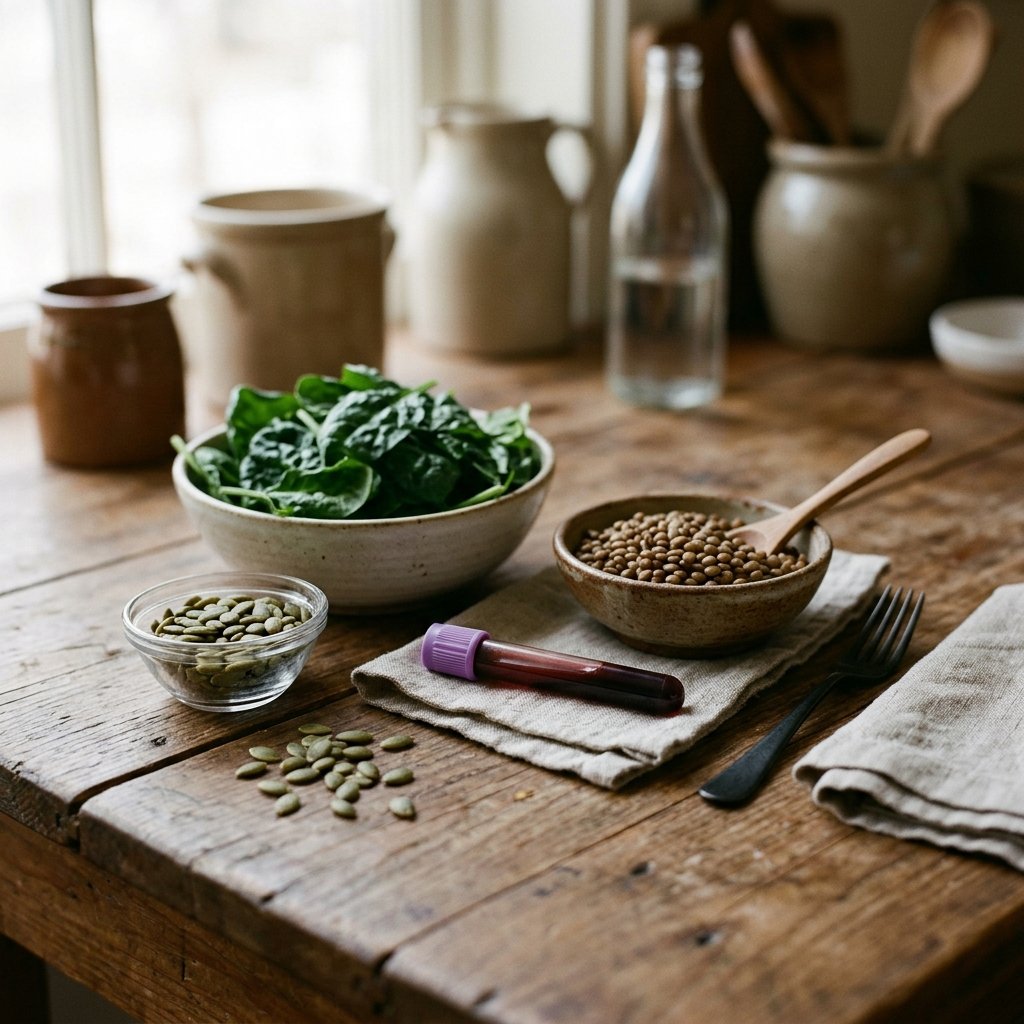
1. Eat more iron-rich foods
Iron comes in two forms. Heme iron from meat, poultry and fish is absorbed well. Non-heme iron from plants, lentils and fortified foods is absorbed less efficiently but still matters, especially in vegetarian diets.
| Food (per 100 g) | Approximate iron |
|---|---|
| Chicken or lamb liver | 9-13 mg |
| Pumpkin seeds | 8-9 mg |
| Dark chocolate (70%+) | 10-11 mg |
| Lentils, cooked | 3.3 mg |
| Kidney beans (rajma), cooked | 2.9 mg |
| Chickpeas, cooked | 2.9 mg |
| Tofu | 2.7 mg |
| Spinach, cooked | 2.7 mg |
| Beef | 2.5-3.0 mg |
| Fortified cereal | 4-12 mg (varies) |
Vegetarians should combine iron sources with vitamin C and use fortified staples where possible.
2. Pair iron with vitamin C
Vitamin C can increase non-heme iron absorption several-fold. Add lemon, amla, tomato, bell pepper, guava or orange to the same meal. A squeeze of lemon on dal and spinach is a practical habit.
3. Keep tea and coffee away from meals
Tannins and polyphenols in tea and coffee bind iron and reduce absorption. Leave at least an hour between a meal and a strong cup. This single change helps many people with mild iron deficiency.
4. Take iron supplements only when advised
If a blood test confirms iron deficiency, a doctor will usually prescribe oral iron. Take it as directed, ideally with vitamin C, and expect 4-8 weeks before hemoglobin rises noticeably. Side effects include constipation and nausea; slow-release forms or alternate-day dosing can help. Do not take iron with calcium supplements, antacids or milk.
5. Treat B12 and folate deficiency
If red cells are large, the cause may be B12 or folate rather than iron. B12 is found in animal foods and fortified products; vegans usually need a supplement. Our guide to vitamin B12 deficiency covers symptoms and treatment.
6. Treat the underlying cause
Iron tablets will not fix heavy periods, a bleeding ulcer or celiac disease. If hemoglobin does not improve after a few months of treatment, the cause needs reinvestigation. This is especially important in men and postmenopausal women, where iron deficiency can signal hidden gastrointestinal bleeding.
7. Support general red cell production
Enough protein, folate, vitamin B12 and copper are needed alongside iron. Severe kidney disease may require erythropoietin treatment. Some people with thalassemia need specialist care rather than iron.
What about high hemoglobin?
High hemoglobin can be caused by dehydration, smoking, living at high altitude, sleep apnoea or, more rarely, a bone marrow disorder called polycythemia vera. It thickens the blood and raises clot risk. Do not assume a high result is harmless; repeat the test well hydrated and discuss it with a doctor.
When to see a doctor
- Hemoglobin below the normal range on a blood test
- Persistent fatigue, breathlessness or palpitations
- Blood in stool, black stools or vomiting blood
- Very heavy or prolonged periods
- Family history of thalassemia or anaemia
- No improvement after 2-3 months of iron treatment
- Pregnancy with low hemoglobin
A complete blood count, ferritin, B12, folate and sometimes a stool test will identify the cause. Self-treatment without these tests can mask a serious problem.
Frequently asked questions
What is a dangerously low hemoglobin level?
Below 7 g/dL is severe and often needs urgent assessment or transfusion, especially with chest pain, breathlessness at rest or fainting. Below 8 g/dL in pregnancy or with heart disease also needs prompt care.
How fast can hemoglobin rise?
With iron treatment, hemoglobin typically rises about 1 g/dL every 2-3 weeks once the cause is addressed. Diet alone is slower. If there is no rise after 4-6 weeks, the diagnosis or dose needs review.
Can vegetarians raise hemoglobin without meat?
Yes. Lentils, beans, tofu, spinach, fortified cereals and pumpkin seeds provide iron. Pair them with vitamin C, avoid tea with meals, and use prescribed supplements if a test shows deficiency.
Does drinking water increase hemoglobin?
No. Water corrects dehydration, which can make hemoglobin look falsely high, but it does not raise low hemoglobin. Iron, B12, folate and treating blood loss are what matter.
Is 10 g/dL hemoglobin low?
Yes, 10 g/dL is below the normal adult range and indicates anaemia. It is mild to moderate but still needs a cause and a treatment plan, especially if you have symptoms.





[…] Hemoglobin Levels: Normal Range by Age and How to Raise Low Hemoglobin […]