









Hearing loss is one of the most common health conditions in the world. The World Health Organization (WHO) estimates that by 2050, nearly 2.5 billion people will have some degree of hearing loss, and more than 700 million will need hearing rehabilitation.
This guide explains what hearing loss is, what causes it across a lifetime, why untreated hearing loss matters, and where Australians can get a hearing assessment.
What hearing loss means
The WHO describes normal hearing as thresholds of 20 decibels (dB) or better in both ears. A person with weaker thresholds has hearing loss, which may be mild, moderate, moderately severe, severe or profound. It can affect one ear or both, and makes conversational speech or loud sounds harder to hear.
The WHO calls hearing loss “disabling” when it is greater than 35 dB in the better ear. Over 25% of people over 60 are affected by disabling hearing loss.
Causes across a lifetime
The WHO lists causes at different life stages:
- Before and around birth: genetic factors, infections such as rubella and cytomegalovirus during pregnancy, lack of oxygen at birth, severe newborn jaundice, and low birth weight.
- Childhood and adolescence: chronic ear infections, fluid in the middle ear, and meningitis or other infections.
- Adulthood and older age: chronic diseases, smoking, otosclerosis, age-related hearing loss and sudden sensorineural hearing loss.
- Any age: earwax build-up, head or ear trauma, loud noise, ototoxic medicines, work-related chemicals, nutritional deficiencies and some viral infections.
The WHO says nearly 60% of hearing loss in children is due to avoidable causes. It also says most common adult causes, such as exposure to loud sounds and ototoxic medicines, are preventable.
Why untreated hearing loss matters
The WHO lists these effects of unaddressed hearing loss:
- limits to communication and speech
- effects on cognition
- social isolation, loneliness and stigma
- limits to access to education and employment
- an increased risk of dementia and faster cognitive decline when hearing loss remains unaddressed
The WHO estimates that unaddressed hearing loss has an annual global cost of almost US$1 trillion. Our guide to hearing loss and dementia looks at the dementia link in more detail.
Why early checks matter
The WHO says early identification is key. It recommends screening for newborns and infants, pre-school and school-age children, people exposed to noise or chemicals at work, people receiving ototoxic medicines, and older adults.
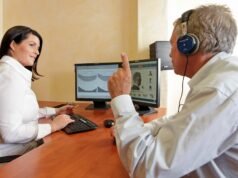
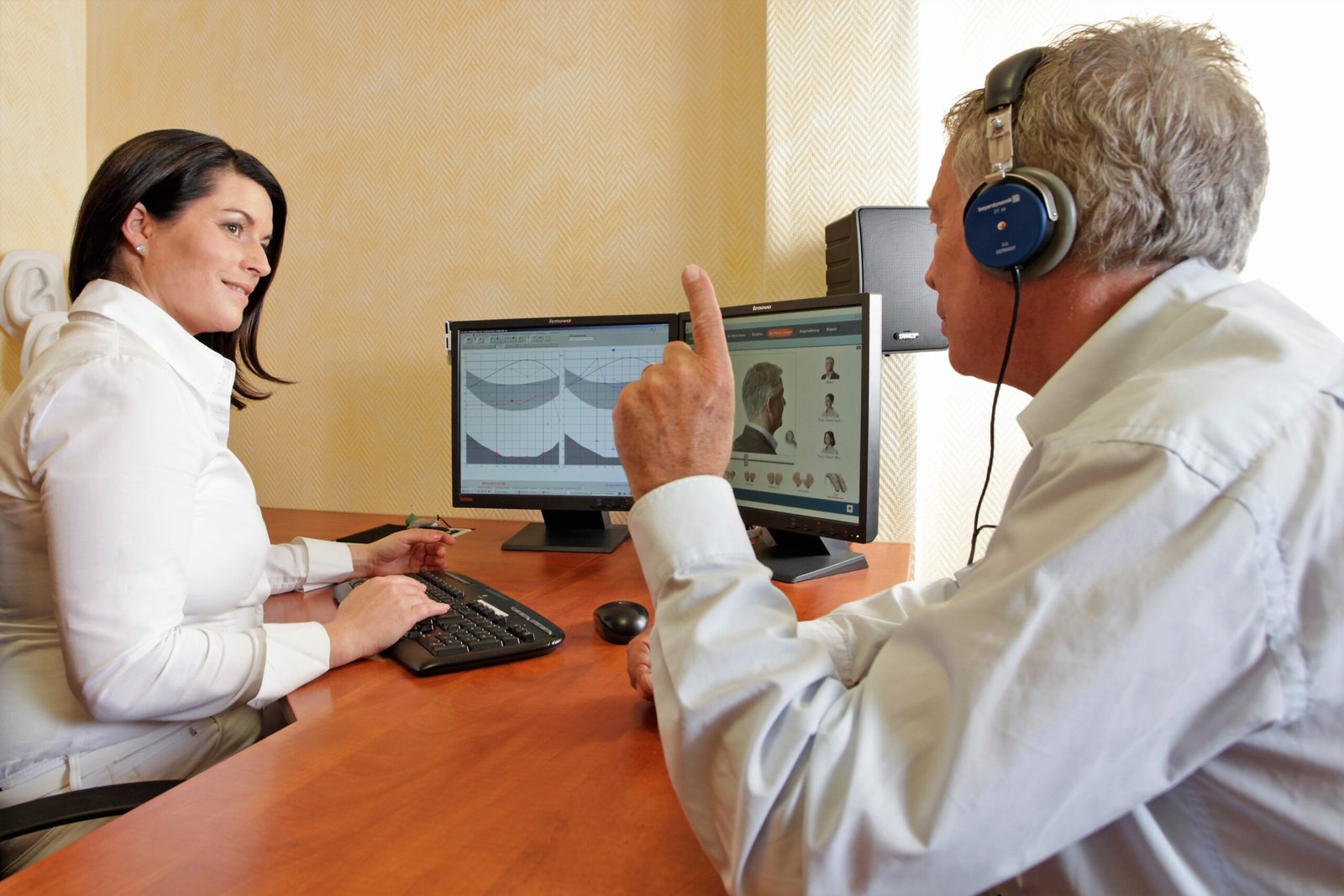
The NHS advises seeing a GP if you think your hearing is getting gradually worse, or if your hearing has not come back after treatment for an ear infection or earwax build-up. Our hearing assessment guide explains what a test involves.
Where to get a hearing assessment in Australia
Simply Hearing is an audiology clinic on the Gold Coast, with locations at Broadbeach, Pimpama and Hope Island. It lists comprehensive hearing tests among its services. Visit simplyhearing.com.au or call +61 422 388 005. Check the clinic’s current services and booking requirements before visiting.
Frequently asked questions
How common is hearing loss?
The WHO says over 5% of the world’s population, or 430 million people, need rehabilitation for disabling hearing loss, including 34 million children.
Is hearing loss only a problem for older people?
No. The WHO says the risk rises with age, but hearing loss also affects children, and many childhood causes can be prevented.
Can hearing loss be prevented?
Many causes can be prevented or reduced. The WHO lists immunisation, good maternal and child care, identifying and managing common ear conditions, workplace noise control, safe listening, and rational use of medicines to prevent ototoxic hearing loss.
Sources
- World Health Organization, “Deafness and hearing loss,” fact sheet, 3 March 2026: who.int
- Simply Hearing, services and clinic locations, accessed for this article: simplyhearing.com.au
This article is general information, not medical advice. It does not replace an assessment by a GP or qualified audiologist. If you have sudden hearing loss, ear pain, discharge, dizziness or facial weakness, seek urgent medical care.