









Sudden hearing loss is a change in hearing that happens over a short period, in one ear or both. The NHS says it needs urgent attention, because it may need to be treated quickly. If you notice it, get medical advice the same day.
This guide explains the warning signs, when to get urgent help, the possible causes the NHS lists, and where to get a hearing assessment in Australia once you have been seen.
Warning signs
The NHS advises asking for an urgent GP appointment, or getting help from NHS 111, if you have:
- sudden hearing loss in one or both ears
- hearing that has been getting worse over the last few days or weeks
- hearing loss along with other symptoms, such as earache or discharge coming out of the ear
The NHS adds that it might not be anything serious, but it is best to get help, because it may need to be treated quickly.
Possible causes
The NHS lists these possible causes:
- Ear infection: difficulty hearing in one ear, earache, a high temperature, itching, a feeling of pressure in the ear, or discharge.
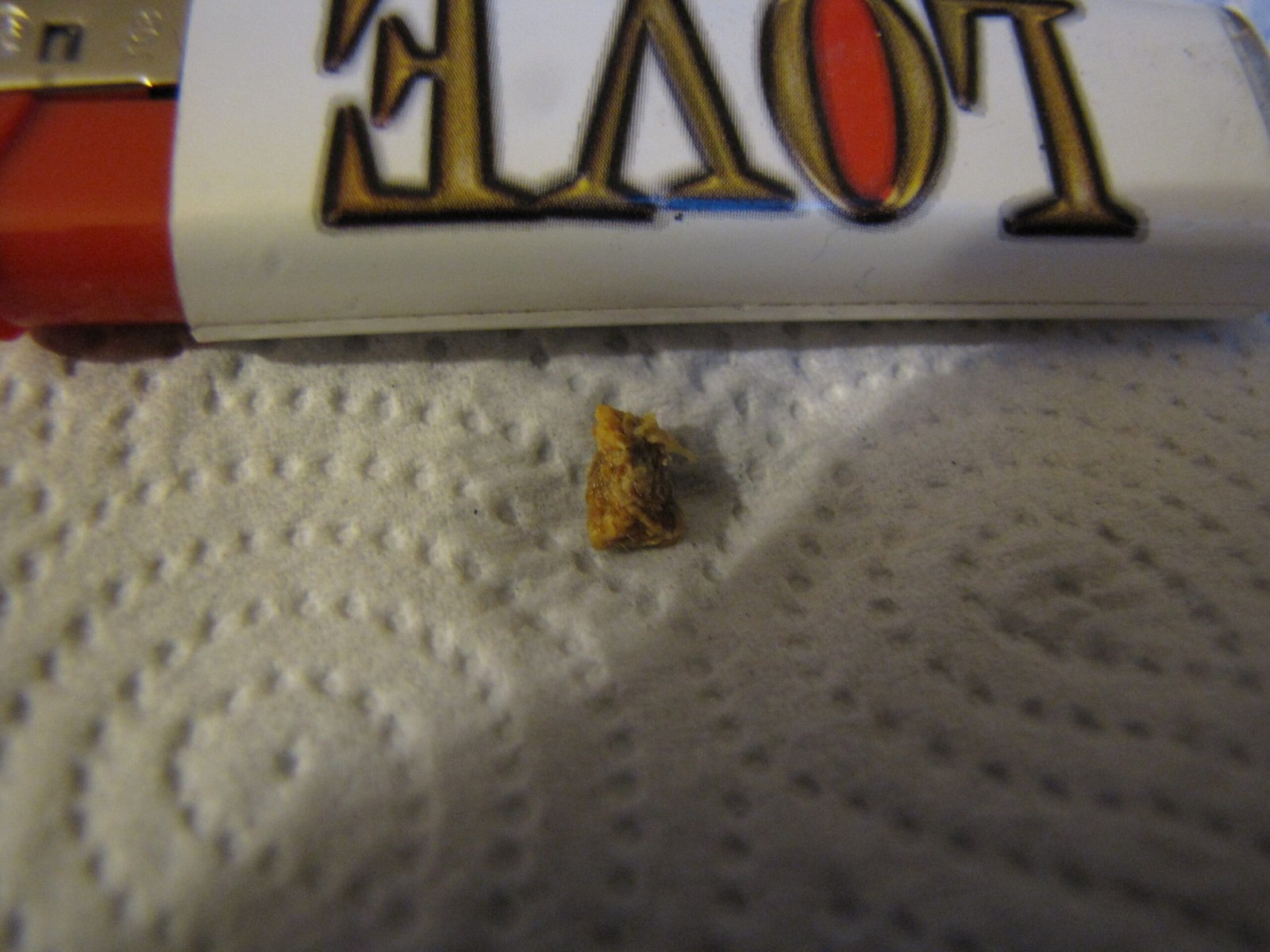
- Earwax build-up: difficulty hearing, usually in one ear, itchiness, or a feeling that the ear is blocked.
- Perforated eardrum: sudden hearing loss after an ear infection, a very loud noise, or a change in air pressure, such as during flying.
- Labyrinthitis or Ménière’s disease: sudden hearing loss with dizziness, a spinning sensation (vertigo) or tinnitus.
The NHS says not to self-diagnose, and to see a GP for advice.
What to do
- See a GP as soon as possible, and the same day if you can. If you cannot reach one, the NHS suggests calling NHS 111 or getting help online. In Australia, call 000 in an emergency.
- Tell the doctor when the hearing loss started, which ear is affected, and whether you have had any earache, discharge, dizziness or tinnitus.
- Do not put cotton buds, fingers or other objects into your ears. The NHS warns that this can push wax in and make things worse.
After the urgent check
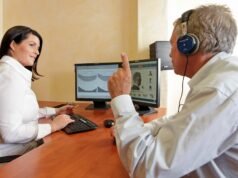
If your hearing has not come back after treatment for an ear infection or earwax build-up, see a GP. A hearing assessment can show how much hearing you have lost and what might help. Our guide to hearing assessments explains what the test involves, and our ear wax guide covers safe removal options.
Hearing assessments in Australia
Revive Hearing is an audiology clinic in Tasmania, with locations in Beaconsfield, South Launceston, Lilydale and Legana. It lists comprehensive hearing assessments and a diagnostic hearing test with a GP report among its services. Visit revivehearing.com.au or call 0484 864 941. The clinic is not an emergency service, so for sudden hearing loss see a GP or emergency service first.
Frequently asked questions
Is sudden hearing loss always serious?
The NHS says it might not be serious, but it needs prompt assessment because it may need to be treated quickly.
Can earwax cause hearing loss?
Yes. The NHS lists earwax build-up as a possible cause of hearing difficulty, usually in one ear. It advises seeing a GP if your hearing has not come back after treatment for earwax build-up.
Should I wait to see if it gets better?
No. The NHS advises getting urgent help for sudden hearing loss, because it may need to be treated quickly.
Sources
- NHS, “Hearing loss,” Health A to Z, page last reviewed 30 May 2025: nhs.uk
- NHS, “Earwax build-up,” Health A to Z, page last reviewed 5 January 2024: nhs.uk
- Revive Hearing, services and clinic locations, accessed for this article: revivehearing.com.au
This article is general information, not medical advice. It is not a substitute for urgent medical care. If you have sudden hearing loss, call 000 in an emergency, or see a GP or emergency department the same day.