









Hearing loss and dementia are linked, and it is one of the most discussed topics in hearing health. The World Health Organization (WHO) says that unaddressed hearing loss is associated with an increased risk of dementia and faster cognitive decline. The WHO does not say that hearing loss causes dementia, and it does not say that treating hearing loss removes that risk.
This guide explains what the WHO says about hearing loss and cognition, what signs suggest a hearing check may help, and where to get a hearing assessment in Australia.
What the WHO says
The WHO lists “increased risk of developing dementia and accelerated cognitive decline when hearing loss remains unaddressed” among the effects of hearing loss. It lists these effects alongside limits on communication, social isolation and loneliness.
The key phrase is “when hearing loss remains unaddressed.” The WHO places emphasis on identifying hearing loss early and managing it.
Everyday effects that matter
The WHO’s list of effects describes how hearing loss can change daily life. People with hearing loss may find it hard to communicate, may become socially isolated, and may have limited access to education and work. The WHO fact sheet does not explain the biological mechanism, so this guide does not describe one.
Signs that a hearing check may help
The NHS lists these common signs of hearing loss:
- difficulty hearing other people clearly, especially in noisy places
- needing people to repeat themselves
- listening to music or watching TV at a higher volume than others need
- difficulty hearing on the phone
- finding it hard to keep up with a conversation
- feeling tired or stressed from concentrating while listening
The NHS notes that other people may notice a hearing problem before you do. See a GP if you think your hearing is getting worse.
What can help
The WHO describes rehabilitation for hearing loss, which includes hearing aids and cochlear implants, speech and language therapy, assistive listening devices, and counselling to help people stay involved in education, work and community life. Our hearing aids and rehabilitation guide covers these options in more detail.
Hearing assessments in Australia
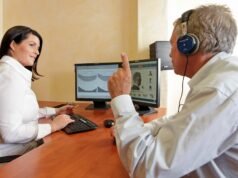
Clear Hearing Solutions is an audiology clinic in Brisbane and Moreton Bay, with locations in Hamilton, Thornlands and Caboolture. It lists comprehensive hearing assessments among its services. Visit clearhearingsolutions.com.au or call 07 5319 2444. Check the clinic’s current services before booking.
Frequently asked questions
Does treating hearing loss prevent dementia?
The WHO’s statement refers to hearing loss that remains unaddressed. It does not say that treatment prevents dementia. Speak with your GP about your own risk.
Should I get my hearing tested if I have no symptoms?
Ask your GP. The WHO recommends screening for some groups, including older adults, and early identification is part of its approach to hearing loss.
Sources
- World Health Organization, “Deafness and hearing loss,” fact sheet, 3 March 2026: who.int
- NHS, “Hearing loss,” Health A to Z, page last reviewed 30 May 2025: nhs.uk
- Clear Hearing Solutions, services and clinic locations, accessed for this article: clearhearingsolutions.com.au
This article is general information, not medical advice. It does not replace an assessment by a GP or qualified audiologist. If you notice sudden changes in memory or thinking, seek medical advice promptly.