









A Ukrainian man is due to go on trial in Hamburg, Germany, next week, charged over the 2022 explosions that ruptured the Nord Stream gas pipelines in the Baltic Sea. Prosecutors allege he commanded the attack, which the BBC describes as Europe’s biggest act of sabotage in decades. He is named in court only as Serhii K, under Germany’s privacy rules. He denies the charges, and the trial will test the prosecution’s case.
This article explains the charges, what investigators say happened, and what the trial will decide. Everything about the attack is the prosecution’s case so far, and the defendant is presumed innocent unless and until a court finds otherwise.
The charges
According to the BBC, Serhii K is charged with causing an explosion and with a war crime, namely attacking civilian infrastructure. Prosecutors allege he acted on behalf of “state agencies of Ukraine.” The BBC reports that he was identified as Serhii Kuznetsov during extradition proceedings.
What investigators say happened
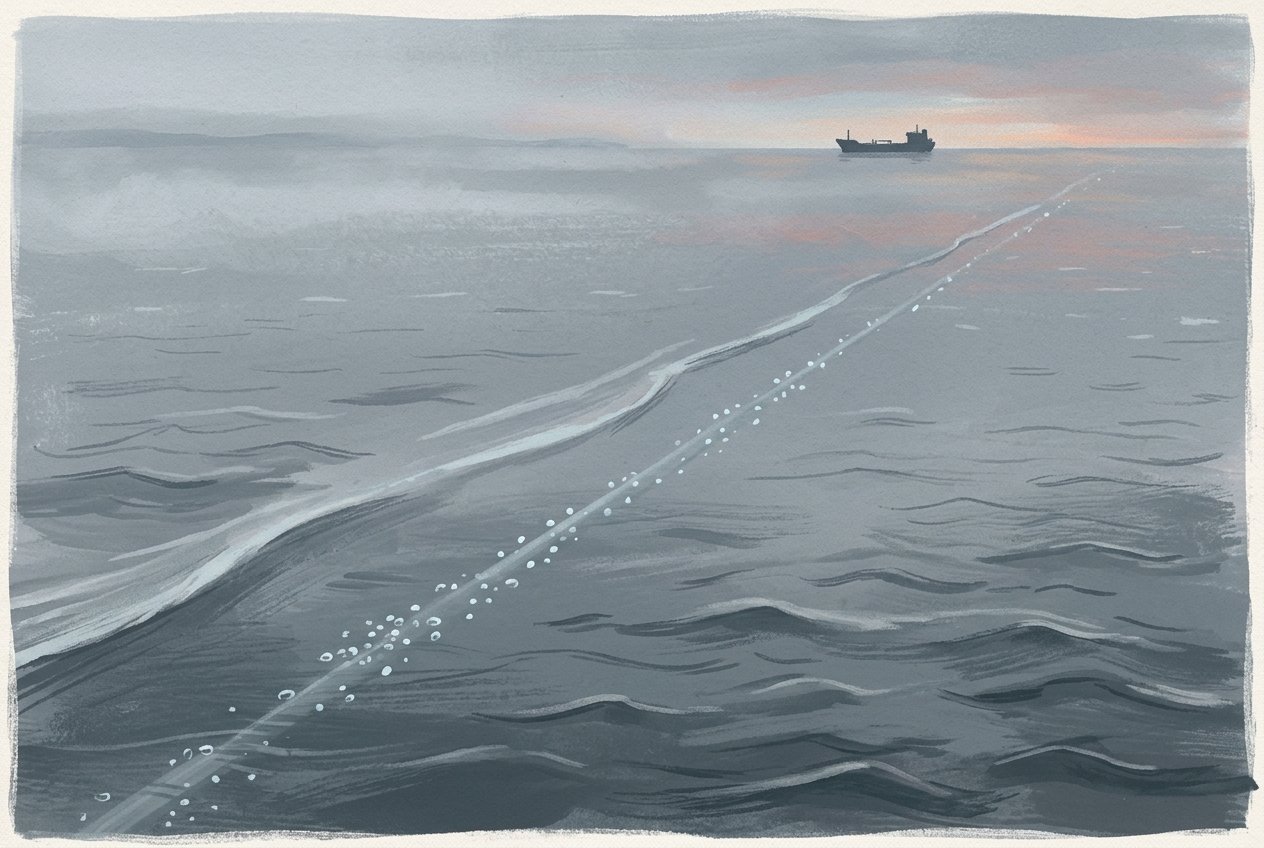
The explosions took place on 26 September 2022. The BBC reports that the first blast at 02:03 severed part of the Nord Stream pipelines, and that two more explosions followed, targeting Nord Stream 2 and the original Nord Stream 1. The original pipeline had supplied around half of Germany’s annual demand for natural gas.
Prosecutors say high-performance explosives were planted about 80 metres below the surface, in four devices weighing up to 27kg each, activated by timers. They “strongly suspect” that Serhii K led a crew of four deep-sea divers, who used a rented yacht called Andromeda.
The BBC reports that investigators say the crew returned to Ukraine, and that DNA evidence allegedly left on the boat later became part of the case.
Early theories
The BBC reports that experts and some governments initially blamed Moscow, citing Russia’s history of hybrid attacks and its use of energy supplies for political pressure. The BBC reports that commentators pointed to suspicious Russian naval activity near the blast site, but that German police followed the evidence towards Ukraine instead.
How the suspect was traced
According to the BBC, investigators allege that Serhii K entered Germany on a forged passport, probably issued by Ukraine’s security services. He was identified by Germany by 13 August 2025, and was detected when he crossed into Poland. Italian police say the arrest warrant was issued on 18 August, after he had left Poland. He was later arrested in Italy and extradited to Germany.
What the trial will decide
The court will decide whether the prosecution can prove the charges against Serhii K. The BBC reports that the case has been built through a long investigation, but the defence’s account of events has not been reported in the sources used for this article.
Frequently asked questions
Has the suspect been convicted?
No. The trial has not started at the time of the BBC’s reporting, and the defendant is presumed innocent.
Who is named in the case?
In court he is named as Serhii K. Extradition documents named him Serhii Kulinich and, according to the BBC, Serhii Kuznetsov.
Has Ukraine responded?
The BBC reports that both the defendant and Ukraine have denied any involvement. Prosecutors say the attack was carried out on behalf of Ukrainian state agencies.
Sources
- BBC News, “Nord Stream trial: How German police followed the evidence – to Ukraine,” 10 October 2026: bbc.com
This article is based on BBC News reporting of prosecution allegations. The defendant is presumed innocent. Check the Hamburg court and established news organisations for the outcome of the trial.