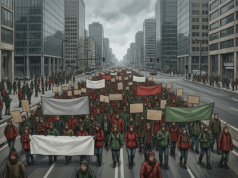










Spain’s prime minister, Pedro Sánchez, has called a snap general election, with housing as the central issue. The call followed a parliamentary defeat for his tenant protection measures, after parties on the right voted against them. The BBC reports that this confirmed his left-wing coalition no longer had a majority.
This article explains why the election was called, what the housing measures would have done, and what the political pressures are. Analysis here is drawn from BBC reporting, and some points are the BBC’s interpretation rather than established fact.
What happened
Sánchez’s package of housing measures was narrowly rejected in congress, before he announced the election. The measures aimed to improve conditions for tenants, address soaring rents, prevent the eviction of tenants, and stop investors from buying residential property. The conservative People’s Party (PP) and the far-right Vox voted against them.
On Monday, Sánchez called for voters to “mobilise and ensure that parliament gives us a much bigger, progressive majority with which to defeat the elites, conquer social rights and keep transforming Spain.”
Why an early election
The BBC reports that Sánchez had insisted until recently that he would see out the legislature and not call elections until next summer. His government had looked increasingly unlikely to last that long. The BBC describes the decision as a carefully considered move rather than a reaction to one vote.
The BBC also reports that housing is the biggest concern for Spaniards according to polls, and that the issue is more likely to mobilise support on the left. It gives Sánchez an issue to campaign on away from other political pressures.
The pressures on the government
- Corruption cases: the Socialist Party has been affected by cases involving former senior figures, Santos Cerdán and José Luis Ábalos. The BBC reports that former Socialist prime minister José Luis Rodríguez Zapatero faces accusations that he benefited financially from the government’s bailout of an airline. Zapatero has denied wrongdoing.
- Family legal matters: Sánchez’s wife, Begoña Gómez, is due to go on trial over allegations of misuse of funds and influence peddling. Gómez and Sánchez deny the accusations.
- Migration: the BBC reports that more than 70,000 migrants suddenly arrived in the Spanish exclave of Ceuta in July. Most have returned to Morocco, but the situation has been a political and logistical problem for the government.
What the polls show
The BBC reports that polls show the Socialists trailing the PP. It describes staying in power after the election as probably the biggest challenge of Sánchez’s career.
The housing debate
The BBC reports that the PP and Vox generally oppose the kind of direct intervention in the housing market that Sánchez has advocated. They have warned that such measures can be counterproductive. The BBC does not say whether those warnings are correct, and this article does not judge them.
What to watch
- Campaign messages on housing, and whether the parties offer different measures on rents and evictions.
- The result and the coalition arithmetic needed to govern after the vote.
- Corruption and court cases, including the trial of Begoña Gómez, which could run alongside the campaign.
Frequently asked questions
Why did Sánchez call an election?
The BBC reports that his housing measures were rejected in congress, that his coalition no longer has a majority, and that housing is a major public concern that his party may gain from campaigning on.
What were the housing measures?
According to the BBC, they aimed to improve tenants’ conditions and contracts, prevent evictions and stop investors buying residential property.
Are the Socialists ahead in the polls?
No. The BBC reports that polls show the Socialists trailing the People’s Party.
Sources
- BBC News, “Spain PM pins hopes on housing crisis to help win snap election,” 5 October 2026: bbc.com
This article is based on BBC News analysis. Election dates, polls and coalition positions change. Check official Spanish electoral sources and established news organisations for current information before sharing.