









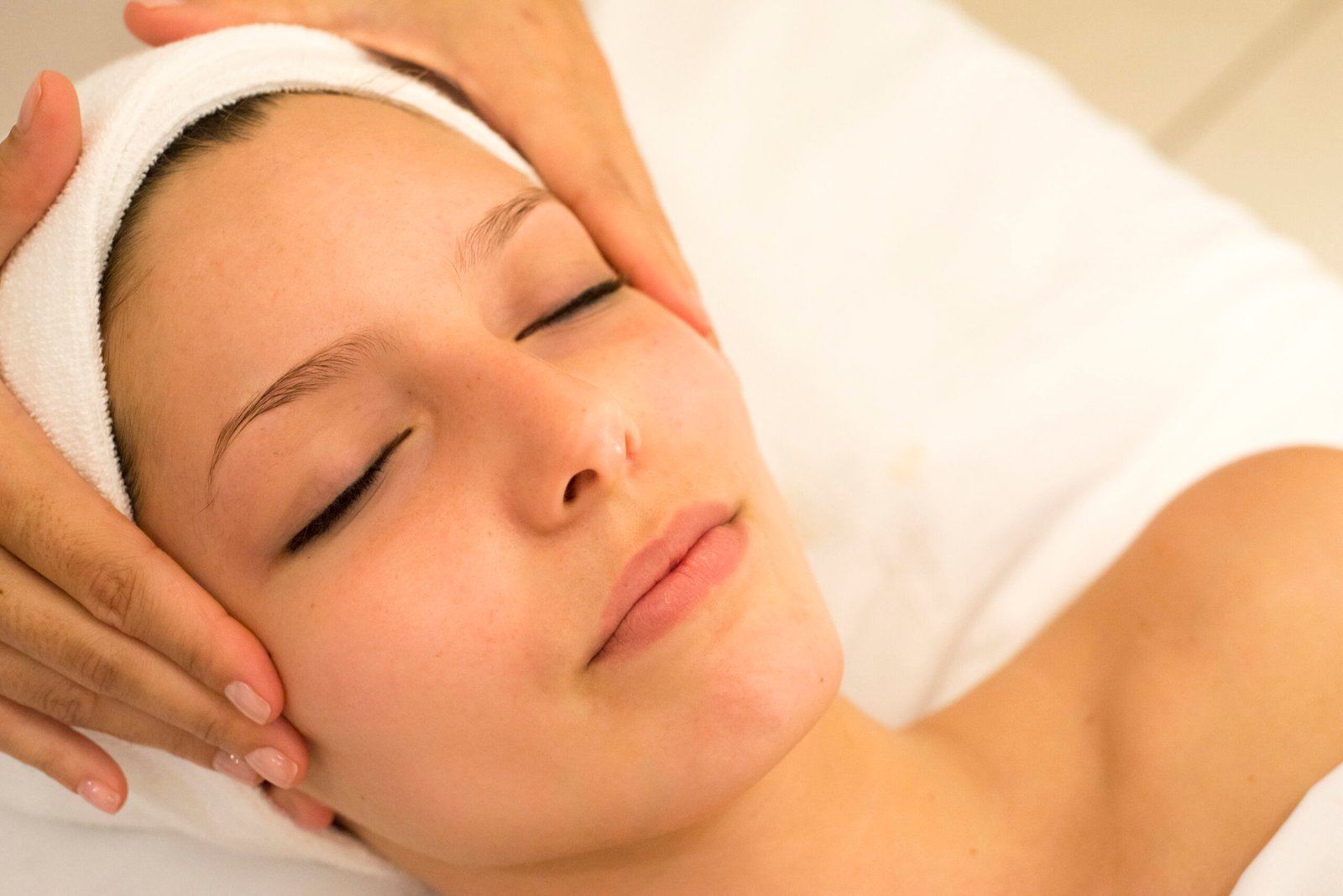
Korugi facial massage is a Japanese technique that promises a slimmer, more lifted face through deep‑tissue manipulation of the facial muscles. Practitioners describe it as a “bone‑pressing” massage that works on the underlying musculature rather than just the skin.
This article explains what Korugi involves, where it comes from, and what the scientific literature says about facial massage in general — because direct studies on the Korugi method itself are currently lacking.
What Korugi involves
In a typical Korugi session, the therapist uses knuckles, elbows or special tools to apply firm pressure to points along the jawline, cheeks and forehead. The motions are described as lifting and sculpting, aiming to release tension in the masseter, temporalis and other facial muscles.
Advocates claim the technique can:
- Reduce facial puffiness
- Improve jawline definition
- Relieve tension‑related headaches
- Enhance circulation
Because the pressure is deep, some clients report soreness during or after treatment.
Where the technique comes from
Korugi (小顔矯正) literally means “facial slimming correction” in Japanese. It emerged in the early 2000s as part of Japan’s beauty‑care industry and has since spread internationally through social media and celebrity endorsements.
The method is not rooted in traditional Japanese medicine such as kampo or shiatsu; it is a modern aesthetic practice developed by beauty therapists.
What the research says about facial massage
As of 2026, there are no published clinical trials that evaluate the Korugi technique specifically for facial slimming or muscle tone.
However, the broader topic of facial massage has been studied, mainly for:
- Skin blood flow: Several small studies have measured transient increases in cutaneous blood flow after manual facial massage, using laser Doppler imaging.
- Muscle tension: Pilot work on patients with temporomandibular disorder (TMD) shows that massage of the masticatory muscles can reduce pain and improve range of motion.
- Lymphatic drainage: Manual lymphatic drainage techniques, which include light, rhythmic strokes, have been examined for post‑surgical edema; the evidence is modest and condition‑specific.
These findings do not directly support the sculpting or lifting claims made for Korugi, because they look at acute physiological changes rather than lasting structural alteration.
The US National Center for Complementary and Integrative Health (NCCIH) evaluates massage therapy broadly. Its summary notes that massage may help with pain, stress and relaxation, but the benefits depend on the condition, the technique and the therapist’s training. NCCIH does not endorse any specific cosmetic massage method for facial contouring.
Safety and practical advice
Because Korugi involves deep pressure, the main cautions are:
- Avoid if you have recent facial surgery, fractures or open wounds.
- Use caution if you have a bleeding disorder or are taking blood‑thinners.
- Inform the therapist of any skin conditions (e.g., eczema, psoriasis) or dental appliances.
- Stop if you experience sharp pain, numbness or prolonged bruising.
As with any complementary approach, NCCIH advises:
Do not use a complementary therapy to postpone seeing a health care provider about a health problem.
Frequently asked questions
Does Korugi actually slim the face?
There is no scientific evidence that the technique reduces fat or alters bone structure. Any temporary tightening sensation is likely due to increased blood flow or mild muscle stimulation, not lasting structural change.
How often should I get Korugi?
Frequency is a matter of personal preference and budget. Because the evidence for lasting benefit is lacking, treat it as a relaxation or self‑care activity rather than a medical treatment.
Can I do Korugi on myself?
Self‑massage of the face is possible with gentle pressure, but the deep‑tissue technique used by practitioners requires training to avoid injury. If you try it at home, use light strokes and avoid pressing hard on joints or delicate areas.
Is facial massage safe?
Generally, light to moderate facial massage is low‑risk. Deep techniques like Korugi carry a higher chance of soreness or bruising, especially if performed incorrectly.
What does the evidence say about massage for facial pain?
NCCIH notes that massage may help with temporomandibular disorder and myofascial pain, but the data are limited and more research is needed.
Sources
- National Center for Complementary and Integrative Health (NCCIH), National Institutes of Health, “Massage Therapy: What You Need To Know” (last updated March 2024): nccih.nih.gov
- Yoonsik Kim et al., “Immediate Effects of Facial Massage on Skin Blood Flow and Viscoelasticity,” Skin Research and Technology, vol. 27, no. 4, August 2021, pp. 635‑642. DOI: 10.1111/srt.12912.
- Manuela Ferreira et al., “Manual Therapy for Temporomandibular Disorders: A Systematic Review,” Journal of Oral Rehabilitation, vol. 48, no. 2, February 2021, pp. 147‑159. DOI: 10.1111/joor.13019.
This article is general information, not medical advice. It does not recommend Korugi, any practitioner, or any product. If you have a health condition, are pregnant, or are taking medication, speak with a qualified health care provider before trying facial massage techniques.