





Moxibustion is one of the oldest therapies in the world. It involves burning dried plant material — usually mugwort — on or near specific points of the body, and it has been practised in China, Japan and Korea for well over two thousand years. It is usually discussed alongside acupuncture, since the two are frequently used together.
It also has a marketing problem. Moxibustion is widely promoted online as a cure for pain, stiffness, colds, digestive complaints and a long list of other conditions — often with confident claims and no sources. This article looks at what is actually known from research, what the major health bodies say, and where the safety risks sit.
What moxibustion actually involves
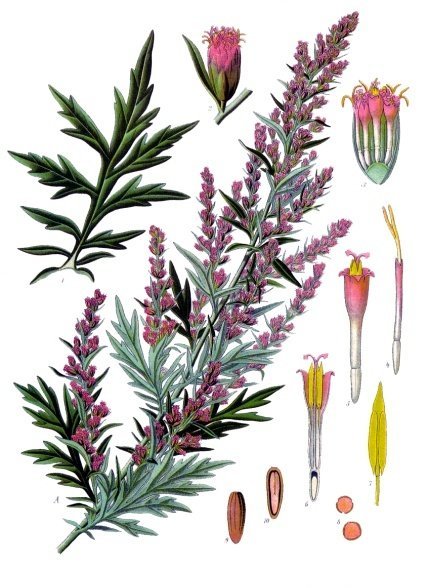
Moxibustion is a component of traditional Chinese medicine. Practitioners burn a dried plant material, most commonly mugwort (Artemisia vulgaris), often in the form of sticks or cones, and apply the heat to specific points on the body. This is indirect moxibustion, where a material such as ginger or garlic is placed between the burning moxa and the skin. In direct moxibustion, the burning material touches the skin.
It is typically combined with acupuncture, using the same point locations, which is why the two are so often discussed as a pair.
What the research says
Here the honest position is that the evidence base is limited, and that most official summaries do not treat moxibustion as an established treatment for any condition.
The US National Center for Complementary and Integrative Health, the NIH body that evaluates complementary therapies, does not publish a fact sheet for moxibustion — which is itself informative. Its review of traditional Chinese medicine addresses acupuncture, tai chi and Chinese herbal products, and notes that studies of Chinese herbal products have had mixed results and that because many studies are of poor quality, no firm conclusions can be made about their effectiveness.
For the closest related therapy, acupuncture, NCCIH’s position is more detailed and worth reading carefully. Its researchers found that acupuncture may help ease types of pain that are often chronic — low-back pain, neck pain, osteoarthritis and knee pain, and carpal tunnel syndrome — and may reduce the frequency of tension headaches and help prevent migraines.
But NCCIH also records an important caveat from the same body of work: some trials suggest that real acupuncture and sham acupuncture are equally effective, indicating a placebo effect.
How to read claims about moxibustion
Most promotional claims about moxibustion rest on traditional use and on small or low-quality studies. When you see a confident assertion that moxibustion treats a specific condition, the questions worth asking are:
- Was this tested in randomised controlled trials, or only observed in practice?
- Was there a control group receiving a sham or placebo treatment?
- How large was the study, and who funded it?
- Is the claim about moxibustion, or is it borrowing the evidence for acupuncture?
That last point matters most. Acupuncture has a substantial research literature. Moxibustion is frequently described using the same words as acupuncture, which can make it sound better studied than it is.
Safety and risks
This is where the official guidance is most concrete, and it is not reassuring in the way marketing usually is.
Burns and fire
Moxibustion deliberately applies burning material to the body. Burns are an inherent risk, particularly with direct moxibustion. Scarring is a recognised possibility.
Smoke and respiratory risk
Burning plant material produces smoke. This is a particular concern for people with asthma or other respiratory conditions, and for anyone else sensitive to smoke exposure.
Infection
NCCIH notes on related acupuncture practice that complications have resulted from non- sterile needles and improper delivery of treatments, including infections. Where moxibustion is delivered alongside acupuncture, the same standards of hygiene apply.
Serious complications
On acupuncture specifically, NCCIH warns that when not delivered properly it can cause serious adverse effects including infections, punctured organs, collapsed lungs, and injury to the central nervous system.
Pregnancy
Most official bodies advise consulting a health care provider before use during pregnancy, breastfeeding, or when treating a child.
What the NHS says
The NHS guidance on herbal medicines and complementary therapies, last reviewed in May 2026, is direct about this category:
Herbal medicines and complementary therapies “are not tested in the same way as standard medicines to see how well they work.”
That single sentence is the most important one for anyone assessing a claim. Standard medicines go through controlled trials designed to detect whether they work. These therapies generally do not have that evidence base.
The NHS does fund some complementary therapies, and it is worth being precise about which, because the list is narrow and condition-specific:
- Acupuncture — for long-term pain, migraine-type headaches, or severe hiccups
- Alexander technique — for Parkinson’s disease where balance or movement problems create a fall risk
- Hypnotherapy — for irritable bowel syndrome if other treatment has not worked, or for severe hiccups
Moxibustion is not among them. Neither are cupping, pranic healing, colour therapy, aura cleansing, or homeopathy of any kind.
Interactions to be aware of
The NHS warns that herbal medicines do not always mix well with prescription medicines. The specific medicines it flags include:
- Statins
- Antidepressants
- Medicines for diabetes such as metformin
- Medicines for high blood pressure such as ramipril
- Blood-thinning medicines such as warfarin
- Hormonal contraception, including the combined pill
It also advises telling any doctor treating you if you are using a complementary therapy, so they have the full picture of what you are taking.
If you are considering this treatment
The NHS gives practical steps for staying safe:
- Do ask a GP about symptoms that keep returning, rather than treating them only with a therapist.
- Do tell every health professional what complementary therapies you are using.
- Do not stop prescribed medicine without speaking to your doctor.
- Do not buy unlicensed herbal products online — they may not be safe.
- Do check whether a practitioner is registered with a professional organisation accredited by the Professional Standards Authority. Note that most complementary therapists are not legally required to register, which is itself worth knowing.
Frequently asked questions
Does moxibustion work?
The evidence base is limited and the major official bodies do not treat moxibustion as an established treatment. Moxibustion is frequently described using the same language as acupuncture, which has a substantial research literature. Be careful when a claim about moxibustion appears to rest on evidence for acupuncture.
Is moxibustion the same as acupuncture?
No. They are separate techniques that are often used together. Acupuncture inserts thin needles into the body; moxibustion applies heat from burning plant material. The NHS funds acupuncture for certain conditions but does not list moxibustion among the therapies it provides.
What are the risks of moxibustion?
Burns and scarring are inherent to the treatment because it involves burning material on the body. Smoke exposure is a concern for people with asthma or respiratory conditions. Where it is delivered alongside acupuncture, NCCIH warns that improper technique can cause infections, punctured organs, collapsed lungs, and injury to the central nervous system.
Does moxibustion have side effects?
Because no major independent body has published a comprehensive safety profile for moxibustion, there is no reliable consolidated list. The practical risks — burns, scarring, smoke exposure and infection — are the ones consistently described by official guidance on related therapies.
Can I use moxibustion alongside my medication?
Speak to a pharmacist or doctor first. The NHS warns specifically that complementary therapies and herbal products may interact with statins, antidepressants, diabetes medicines, blood-pressure medicines, blood thinners such as warfarin, and hormonal contraceptives.
Is it safe during pregnancy?
Consult your health care provider before use. Official bodies advise extra caution if you are pregnant, breastfeeding, or treating a child, and recommend discussing any complementary or integrative health approach with your provider.
Sources
- National Center for Complementary and Integrative Health (NCCIH), National Institutes of Health, “Traditional Chinese Medicine: What You Need To Know” (last updated April 2019): nccih.nih.gov
- NHS, “Herbal medicines and complementary therapies,” Health A to Z (page last reviewed 1 May 2026): nhs.uk
This article is general information, not medical advice. Neither NCCIH nor the NHS endorses any specific therapy. This article deliberately does not recommend any practitioner, clinic or product. If you have a health condition, talk with a qualified health care provider before starting any complementary therapy, and do not delay conventional care.