










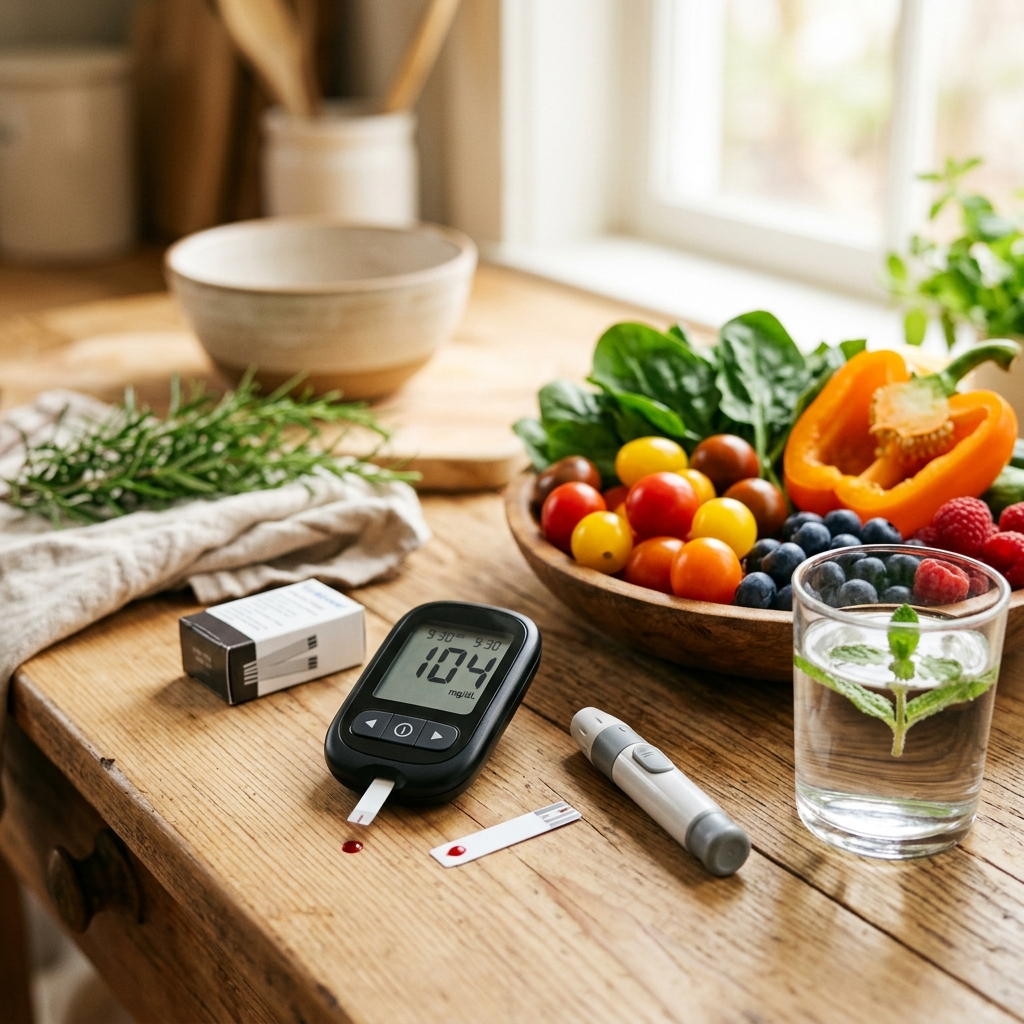
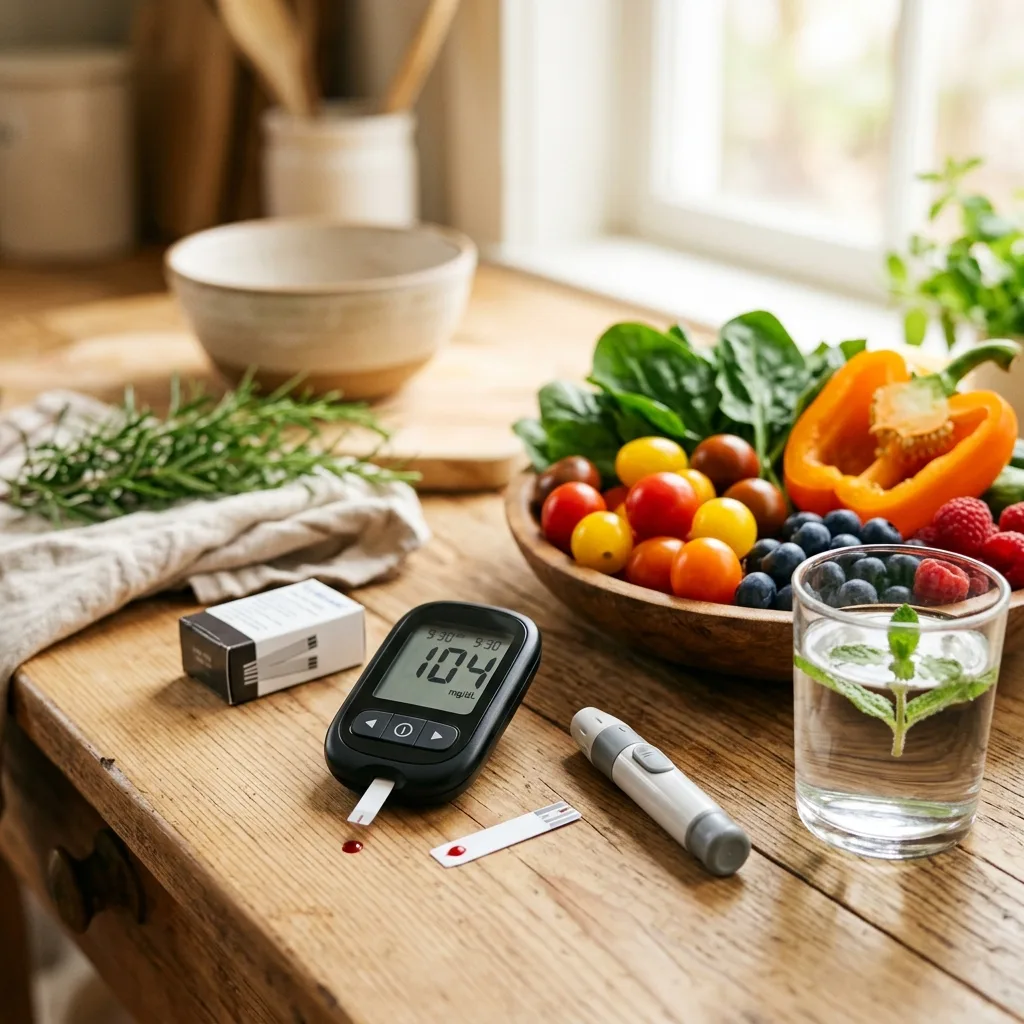
Blood sugar numbers sound like a private language until someone translates them. Every lab report, home glucometer, and health article leans on a handful of reference ranges, and once you know those numbers, a fasting reading, a two-hour reading, and an A1C result stop being mystery codes. This guide lays out normal blood sugar levels for fasting, after meals, and over three months — the ranges that matter, the numbers that signal prediabetes or diabetes, and what to do when yours are not where they should be.
What is a normal blood sugar level?
A normal blood sugar level is the glucose concentration in your blood at a given moment, measured in milligrams per decilitre (mg/dL). The body keeps it in a disciplined band by balancing the sugar entering the blood from food with the insulin and other hormones that pull sugar out for fuel and storage. When that balance holds, readings stay predictable; when it slips, the numbers climb. Understanding the reference points for normal blood sugar levels is the first, most practical step — because people rarely take action on patterns they cannot read.
The reference ranges below are the consensus numbers used across international guidelines, with a small degree of flexibility depending on the guidelines, the lab, and the type of test your doctor chooses:
Fasting (8 hours without food): below 100 mg/dL is normal; 100 to 125 mg/dL signals impaired fasting glucose, commonly called prediabetes; 126 mg/dL or higher on two separate occasions indicates diabetes.
Two hours after a meal: below 140 mg/dL is normal; 140 to 199 mg/dL signals impaired glucose tolerance; 200 mg/dL or higher indicates diabetes.
Random reading (any time of day): below 200 mg/dL is generally normal; 200 mg/dL or higher, with classic symptoms, indicates diabetes.
A1C (three-month average): below 5.7 percent is normal; 5.7 to 6.4 percent signals prediabetes; 6.5 percent or higher indicates diabetes.
Fasting blood sugar: the overnight baseline
The fasting reading is the number most people see first because it is the cheapest, most common test. It reflects what your liver and hormones did overnight, not what you ate that morning. A fasting value under 100 mg/dL sits within the normal blood sugar levels for adults; between 100 and 125 mg/dL the official term is impaired fasting glucose, and 126 mg/dL or higher on two separate tests is the diabetes threshold. Knowing these cut-offs is what lets you read a lab report and know which zone you occupy.
A single high fasting reading is a signal, not a verdict. Stress, a disturbed night, a late heavy dinner, illness, or a medication change can all lift the morning number. That is why clinicians confirm the diagnosis with a second test rather than one lab result. If your fasting number lands in the prediabetes zone, that is genuinely good news to catch — the window where lifestyle change is powerfully effective, as the guide to high fasting sugar explains in detail.
Post-meal blood sugar: the two-hour check
The two-hour reading answers a different question: how well your body handled the food you actually ate. Two hours after the start of a meal, a normal blood sugar level returns below 140 mg/dL. Staying between 140 and 199 mg/dL signals impaired glucose tolerance, and reaching 200 mg/dL or higher indicates diabetes.
Post-meal spikes are where many people first notice trouble, because symptoms such as drowsiness, thirst, and sluggishness often follow a large sharp rise. It is common to see readings in the 120 to 150 range briefly in perfectly healthy people after a heavy refined-carbohydrate meal; the problem is when the two-hour mark still sits high and stays high day after day.
Random and casual readings: what to make of them
A random glucose — taken without fasting, at any time of day — is useful mostly as a quick screen. Under 200 mg/dL is usually normal. A reading at or above 200 mg/dL combined with classic symptoms such as excessive thirst, frequent urination, and unexplained weight loss is enough to suspect diabetes and move you toward formal testing. Random numbers below the abnormal threshold are reassuring but do not replace a fasting or A1C check for full diagnosis.
A1C: the three-month average that catches what fasting misses
The A1C test measures how much sugar has been attaching to red blood cells over their roughly three-month lifespan, giving a weighted average of your recent control. A normal A1C is below 5.7 percent. The prediabetes band is 5.7 to 6.4 percent, and diabetes is a confirmed 6.5 percent or higher.
A1C is valuable precisely because it is an average: it will not miss the fasting-normal person who spikes badly after meals, and it is less affected by a single stressful morning. Its limitation is the opposite side of the same coin — someone with anemia, recent blood loss, or kidney disease can get an unreliable A1C, which is why clinicians often pair it with glucose readings rather than relying on it alone.
What blood sugar level is too low?
Hypoglycaemia matters just as much as high glucose. For most people, a blood sugar below 70 mg/dL with symptoms — shakiness, sweating, confusion, hunger, rapid heartbeat — is low enough to act on. Levels below 54 mg/dL are severe and warrant immediate carbohydrate intake; symptoms that do not respond within minutes, or severe confusion, are emergencies. Even among people with completely normal blood sugar levels, a heavy missed meal, intense exercise, or certain medicines can produce a transient dip worth recognising.
The treatment rule for conscious hypoglycaemia is the 15-15 approach: take about 15 grams of fast-acting carbohydrate, such as four glucose tablets, half a glass of juice, or one tablespoon of sugar in water, wait 15 minutes, and recheck. Repeat if still low. Someone who is unconscious, having seizures, or unable to swallow needs emergency care, not oral sugar.
Normal blood sugar by age: does it change?
A common question in clinic is whether normal blood sugar levels rise with age. The honest answer is that the diagnostic thresholds for fasting and A1C do not officially shift with age — the same below-100 and below-5.7 numbers apply across adults. What does happen with age is that the risk of rising into the prediabetes and diabetes ranges increases, so older adults are simply more likely to need monitoring.
Where age genuinely matters is the target range doctors set. For a fit 45-year-old with a long expected lifespan, guidelines aim for tight control. For an older adult or someone with multiple conditions, clinicians often relax targets to avoid the dangers of hypoglycaemia — meaning the target for you is a conversation with your doctor, not a number pulled from the internet.
Home monitoring: the glucometer and the right schedule
A home glucose meter measures capillary blood from a fingertip and is what turns a lab panel into everyday feedback. The schedule that produces useful data is a structured one: a fasting reading in the morning, a reading two hours after the main meal, and an occasional before-bed check, recorded for a week so a pattern emerges.
Glucometer accuracy depends on hygiene and technique: clean, dry hands; a fresh strip; enough blood to fill the strip fully; and coding the meter to the batch when the strip pack requires it. Compare your meter against a lab result once to confirm it reads in the right ballpark, and treat a single odd number as noise until a second reading confirms it. If your home readings trend above the fasting or two-hour signposts above, that is the cue for a doctor’s visit and an A1C test.
Do fasting numbers matter more than post-meal numbers?
Both matter, but they catch different stages of the same problem. Fasting glucose reflects how well the liver and baseline insulin handle the overnight gap; post-meal glucose reflects how quickly muscle and tissues accept sugar after a load. One can be normal while the other is not, which is exactly why clinicians do not diagnose from a single number. In early problems, the post-meal reading is often the first to stray — which is why the two-hour measurement is the more sensitive of the two in the earliest stage. Anyone optimising glucose should track whichever window their doctor flags, and trust the pattern rather than a single day.
Foods that keep glucose in the normal range
The food lever is large, and the pattern is consistent with the metabolic guidance on this site: keep blood sugar steady by choosing foods that release glucose slowly. That means beans and lentils, vegetables, whole grains, fruit in sensible portions, and modest amounts of protein and healthy fat with each meal — the same structure as a heart-healthy Indian diet.
Order within the plate also matters in recent research: eating vegetables and protein before the carbohydrate part of a meal measurably smooths the post-meal rise. Sugary drinks are the single densest glucose load available and are worth removing first. And small amounts of movement — even ten minutes of walking after the heaviest meal — pull post-meal readings down in most people.
Blood sugar in pregnancy: the one range that differs
Pregnancy is the notable exception to the general ranges, because glucose crosses the placenta and the surge of pregnancy hormones changes how the body handles sugar. Screening typically happens between weeks 24 and 28 with an oral glucose tolerance test, and the diagnostic thresholds during pregnancy are lower than in daily life — reflecting how sensitive the growing baby is to even a small maternal rise. Gestational diabetes is common and, crucially, reversible: it usually resolves after delivery, though it raises later risk of type 2 diabetes, so the postnatal checkup matters.
If you are pregnant and a reading lands outside the ranges above, the answer is not self-managing with general advice. Gestational management is specific — meal timing, carbohydrate distribution, and sometimes medication under obstetric guidance — and that specificity is exactly why the general numbers should not be applied directly to pregnancy.
What your meter numbers do and do not show
A glucometer captures a snapshot, not a scorecard. It tells you where glucose is at the moment of the stick, but it cannot distinguish a genuine trend from one careless reading, and it will not reflect trends between readings. That is why clinicians pair meter data with A1C, which averages the last three months and smooths out daily noise. Used together, the two tell you both the current state and the trajectory — which single readings cannot.
One more honest limitation: meters have an accepted error margin, and readings often differ slightly between fingers and machines. That does not make them useless; it means decisions should be based on repeated patterns rather than a single number. When in doubt, the lab remains the referee, just as scheduled annual screening remains the backstop that home devices are designed to supplement rather than replace.
When to see a doctor about your numbers
See a doctor if a fasting reading is 100 or higher, a two-hour reading is 140 or higher, or an A1C is 5.7 percent or higher — each is a reason for a full workup rather than guesswork. Act sooner if you recognise the classic symptoms: unquenchable thirst, urinating more often, blurry vision, recurrent skin or urinary infections, slow healing, or unexplained weight loss.
Do not wait to feel unwell. The first sign of type 2 diabetes is often a blood test, which is why annual screening, especially after 40 or with a family history or high body weight, is the single cheapest protection available. Catching the prediabetes window is the difference between a lifestyle adjustment and a lifetime of medication, and it is a genuinely winnable window. It is also the reason these reference ranges exist at all — they are early-warning mileposts, not punishments.
Frequently asked questions about normal blood sugar levels
Is 110 mg/dL fasting blood sugar dangerous?
It is elevated — in the prediabetes range (100 to 125). It is not dangerous tonight, but it is the strongest signal to act now on diet, weight, and activity before it progresses, and to confirm it with a repeat test and an A1C.
What is a healthy blood sugar two hours after eating?
Below 140 mg/dL is considered normal two hours after the start of a meal. Readings of 140 to 199 signal impaired glucose tolerance, and 200 or higher indicates diabetes.
Can drinking water lower blood sugar?
Well-hydrated kidneys help excrete some surplus glucose, so skipping water does not serve you. But water does not fix insulin resistance — the real levers are the food pattern, weight, and movement.
Is morning fasting sugar higher than evening sugar normal?
Fasting sugar is measured after eight hours without food, so it is usually the lowest reading of the day. If your fasting number is your highest of the day, the liver is releasing too much overnight glucose, a pattern worth a doctor’s attention.
What should a normal A1C be for a non-diabetic?
Below 5.7 percent. Between 5.7 and 6.4 percent is prediabetes, and 6.5 percent or higher on a valid test indicates diabetes. Because A1C averages three months, it is also the consistency check on your home readings — if your meter sometimes contradicts it, it is worth reconciling the two with your doctor.
Can normal blood sugar levels be restored once they start rising?
In most people, yes — that is precisely the purpose of catching prediabetes early. Modest weight loss, reduced refined carbohydrates, and regular movement routinely bring elevated readings back down to the normal blood sugar levels range, and the effect is strongest in the earliest stage of the problem.
How often should healthy adults check blood sugar?
If you have never had an abnormal reading and have no symptoms or strong risk factors, a yearly lab check is sufficient. Home meters are for people with known trouble or a doctor’s instruction — daily testing of low-risk people adds cost and anxiety without adding health.
Bottom line
Normal blood sugar levels are stable, well-defined reference points: fasting under 100 mg/dL, two-hour post-meal under 140, and A1C under 5.7 percent. Numbers between the normal and diabetes ranges define prediabetes, a fully reversible window. Check fasting and post-meal numbers honestly, know your A1C, and respond to elevated readings with food order, weight, movement, and a prompt doctor’s visit — the same habits that protect blood pressure, cholesterol, and the whole metabolic cluster.
Sources and references
- CDC: Diabetes Tests and Diagnosis
- NIDDK: Diabetes Tests and Diagnosis
- WHO: Diabetes Fact Sheet
- Mayo Clinic: A1C Test
- Diabetes UK: Blood Sugar Testing
- High Fasting Sugar: The Complete Guide
- Prediabetes: The Complete Guide
- Type 2 Diabetes: The Complete Guide
- High Triglycerides: The Complete Guide
- Heart Healthy Indian Diet Guide





[…] Normal Blood Sugar Levels Guide and How to Lower Blood Pressure […]
[…] Related: Vitamin D Deficiency Guide and Normal Blood Sugar Levels Guide. […]
[…] Related: Acidity Home Remedies and Normal Blood Sugar Levels Guide. […]