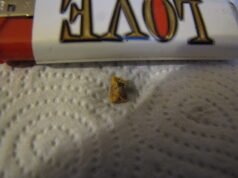










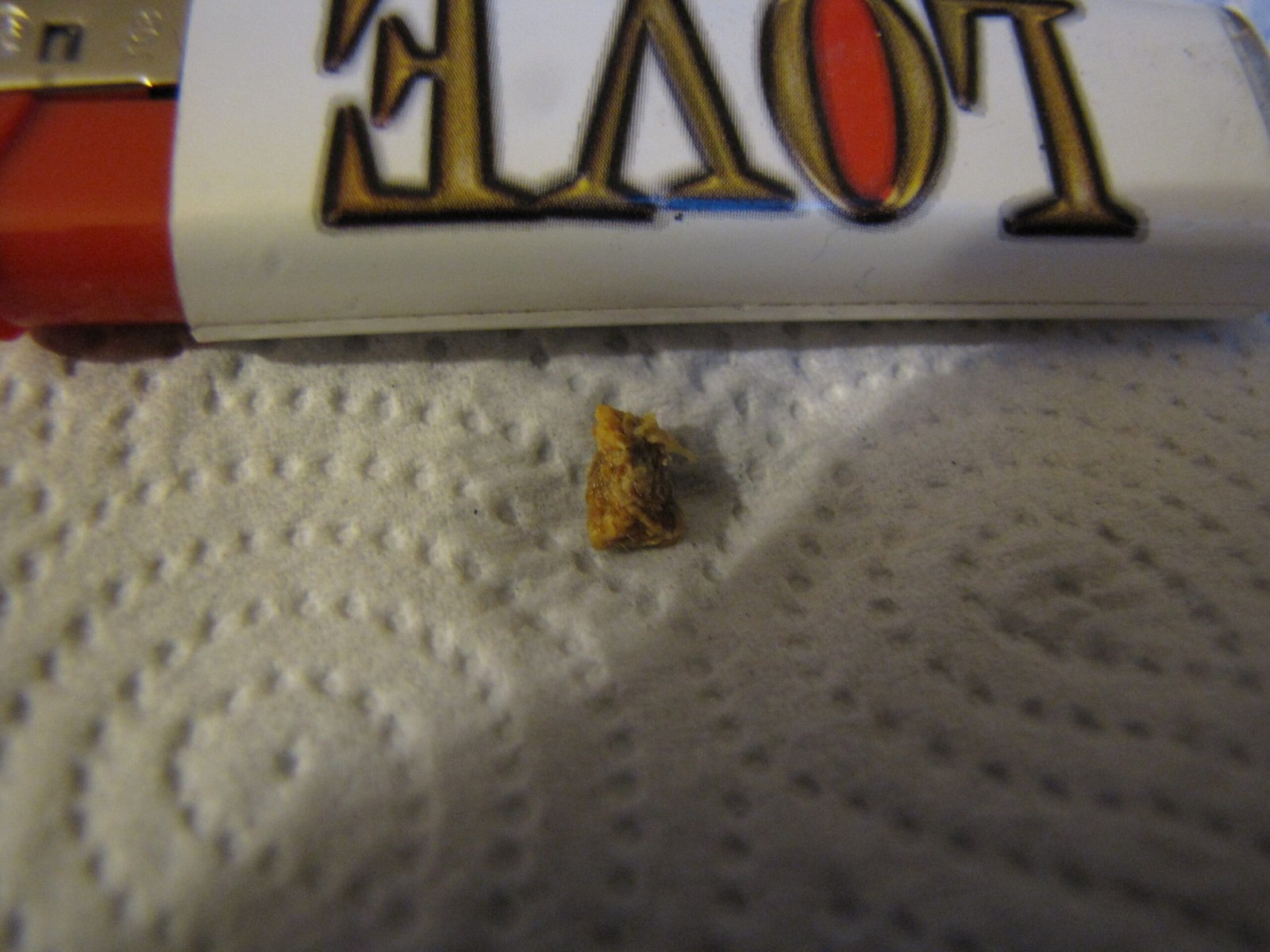
Earwax, medically called cerumen, is a normal substance. The NHS notes that it protects the ear from dirt and germs and that it normally falls out on its own. Problems start when wax builds up and blocks the ear.
This guide covers the symptoms of earwax build-up, safe ways to manage it at home, what not to do, and when to see a pharmacist, GP or hearing clinic. For Australian readers, it also lists clinics that offer microsuction wax removal on the Gold Coast, in Tasmania, and in Brisbane and Moreton Bay.
Symptoms of earwax build-up
The NHS lists these symptoms of earwax build-up:
- hearing loss
- earache or a feeling that the ears are blocked
- ringing or buzzing in the ears (tinnitus)
- vertigo, which is a feeling of dizziness and sickness
What causes it
The NHS says build-up is more likely if you have:
- narrow or damaged ear canals
- a lot of hair in the ear canals
- a skin condition affecting the scalp or the skin around the ear
- inflammation of the ear canal, also called swimmer’s ear
Safe home care
The NHS describes this method for removing earwax at home:
- Lie on your side with the affected ear facing up.
- Put 2 to 3 drops of olive or almond oil in the ear. Do not use almond oil if you are allergic to almonds.
- Stay on your side for 5 to 10 minutes.
- Repeat 3 to 4 times a day, for 3 to 5 days.
The NHS says that over about 2 weeks, lumps of wax should fall out and symptoms should improve. Regular eardrops or oil can also soften wax and help stop your ears getting blocked.
A pharmacist can recommend medicines to dissolve the wax. The NHS says the wax should fall out or dissolve after about a week. Do not use drops if you have a hole in your eardrum.
What not to do
- Fingers and cotton buds. The NHS warns that these push wax in and make the blockage worse.
- Ear candles and ear vacuums. The NHS says there is no evidence that these remove earwax.
- Sharp objects. Anything that goes into the ear canal can cause injury. The NHS advises against using objects to clear the ear.
When to see a pharmacist, GP or clinic
The NHS suggests speaking to a pharmacist first. See a GP or nurse if:
- your symptoms have not cleared after 5 days
- your ear is badly blocked and you cannot hear anything, because an infection can develop if the wax stays in
Not all GP surgeries remove earwax. The NHS says those that do may flush the wax out with water, suck it out (microsuction), or scrape it out with a very small device. The NHS describes these treatments as usually painless. If your GP does not offer them, they may refer you to another local NHS service, or you may need to pay for private treatment.
Professional wax removal: microsuction
Microsuction removes wax from the ear canal using a fine suction device. Clear Hearing Solutions describes its microsuction service as using no water or syringing.
These clinics offer microsuction ear wax removal in Australia:
- Simply Hearing (Gold Coast): ear wax removal, including microsuction, at Broadbeach, Pimpama and Hope Island. Visit simplyhearing.com.au or call +61 422 388 005.
- Revive Hearing (Tasmania): microsuction ear wax removal, with clinics in Beaconsfield, South Launceston, Lilydale and Legana. Visit revivehearing.com.au or call 0484 864 941.
- Clear Hearing Solutions (Brisbane and Moreton Bay): microsuction ear wax removal at Hamilton, Thornlands and Caboolture. Visit clearhearingsolutions.com.au or call 07 5319 2444.
Check each clinic’s current services and fees before booking. Ask whether a referral is needed and whether the appointment can be claimed through your health fund or Medicare.
Why a wax check matters for hearing
The NHS lists earwax build-up as a common cause of hearing loss, usually in one ear. It also advises seeing a GP if your hearing has not come back after you have been treated for earwax build-up. A hearing assessment can show whether wax is the cause or whether something else is contributing. Our guide to hearing assessments explains what the test involves.
Frequently asked questions
Is earwax removal painful?
The NHS describes GP treatments for earwax, such as flushing, microsuction and scraping, as usually painless.
Should I clean my ears regularly?
The NHS says earwax normally falls out on its own, and you cannot prevent earwax because it protects the ears. Regular eardrops or oil can help soften wax that builds up, but there is no need to clean the ears routinely.
Can earwax cause tinnitus?
Yes. The NHS lists ringing or buzzing in the ears as a symptom of earwax build-up. Tinnitus with other causes is covered in our tinnitus guide.
When should I see a GP about earwax?
See a pharmacist first. The NHS advises seeing a GP or nurse if symptoms have not cleared after 5 days, or if your ear is badly blocked and you cannot hear anything.
Sources
- NHS, “Earwax build-up,” Health A to Z, page last reviewed 5 January 2024: nhs.uk
- NHS, “Hearing loss,” Health A to Z, page last reviewed 30 May 2025: nhs.uk
- Simply Hearing, ear wax removal service and clinic locations, accessed for this article: simplyhearing.com.au
- Revive Hearing, ear wax removal service and clinic locations, accessed for this article: revivehearing.com.au
- Clear Hearing Solutions, microsuction service and clinic locations, accessed for this article: clearhearingsolutions.com.au
This article is general information, not medical advice. It does not replace an assessment by a pharmacist, GP or qualified audiologist. The clinics listed are named for reference only, and their services, fees and locations may change. If you have ear pain, discharge, fever, sudden hearing loss or dizziness, seek medical care promptly.