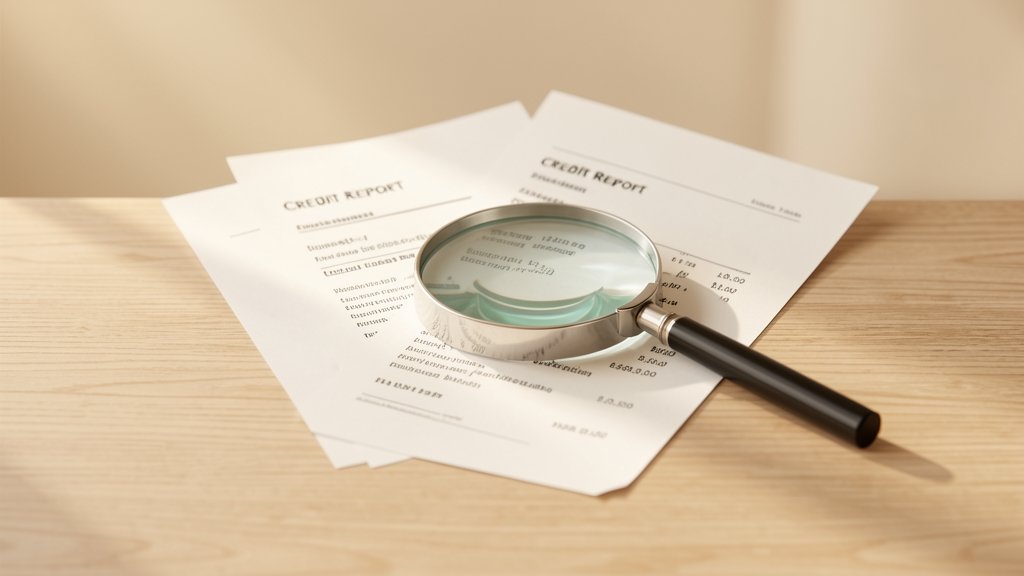
A credit report is a record of your borrowing and repayment history. Lenders use it, along with your credit score, to decide whether to approve loans and cards and at what rate. Mistakes on the report can cost you money, so checking it regularly is worth the time.
What a credit report shows
- Your loans and credit cards, including open and closed accounts
- Payment history, including late or missed payments
- Credit limits and how much of them you use
- Recent credit applications and enquiries
- Public records, where relevant, such as bankruptcies in some countries
How to get a free copy
In India, each credit information company, such as CIBIL, Experian, Equifax and CRIF High Mark, must provide one free report a year on request. In the United States, you can get a free report from each of the three main bureaus through AnnualCreditReport.com. Check your country’s official process before you pay for a report.
Common errors to look for
- Accounts you do not recognise
- Payments marked late when you paid on time
- Closed accounts still shown as open
- Wrong credit limits or balances
- Personal details, such as an address you never lived at
How to dispute an error
- Gather evidence, such as bank statements or payment receipts.
- File a dispute with the credit bureau that shows the error, online or in writing.
- Also contact the lender that reported the information.
- Follow up until the correction is confirmed, and get a new copy of the report to check it.
Frequently asked questions
Does checking my own credit report hurt my score?
No. Checking your own report is a soft check and does not affect your score.
How long do errors take to fix?
It depends on the bureau and the lender. Keep records of every step, and escalate with the regulator or ombudsman in your country if the problem is not resolved.
This article is for general information only and does not replace advice from a qualified financial adviser or credit counsellor.