










Fatty liver is the quiet epidemic nobody feels. Roughly one in three Indians has it, and most only find out by accident, on an ultrasound done for an unrelated reason.
This complete guide gives you the plain-language facts: what it actually is, the numbers on your report, the symptoms to watch, and the diet and lifestyle steps with real evidence behind them.
What is fatty liver, in plain terms?
Fatty liver means more than five percent of your liver cells are made of fat. Your liver normally stores a little fat, but when accumulation crosses that line, three things happen: the fat crowds out normal liver tissue, inflammation creeps in, and in a minority of people, scarring begins.
It comes in two flavours. The first is alcohol-related — driven directly by how much alcohol you drink. The far more common form in India is non-alcoholic fatty liver disease (NAFLD), which has nothing to do with alcohol and everything to do with the same metabolic engine behind high cholesterol, high triglycerides, type 2 diabetes, and excess belly fat.
Here is what almost nobody realises: the liver is the body’s fat-processing factory. When the rest of the body is flooded with more energy than it can use, the liver stores the overflow as fat. That is why the condition is a symptom of metabolism first and a liver problem second.
Fatty liver stages and numbers: what your report means
Diagnosis is usually by ultrasound, whose report mentions fat infiltration. Here is how to read it:
Grade 1 (mild): mild fat build-up, few or no symptoms, highly reversible. Grade 2 (moderate): more fat, some inflammation likely, reversible with consistent change. Grade 3 (severe): heavy fat infiltration, significant inflammation, longer road to recovery.
Two more numbers matter on your blood panel. Liver enzymes (ALT and AST) run mildly elevated when inflammation is present. Fibroscan or MRI measures actual scarring when the doctor suspects progression — that is the number that decides how serious this is and how fast you need to act.
Your doctor will also check fasting blood sugar, triglycerides, and weight, because the condition rarely arrives alone. A quick rule: the person with this diagnosis is usually the person with two or three other markers on the same report.
Fatty liver symptoms: why it is called silent
Early disease produces almost no symptoms. When signals do appear, they are vague and easy to wave away:
Right-side upper belly discomfort — fullness or a dull ache under the ribs. Constant fatigue — tiredness that sleep does not fix. Brain fog — trouble focusing that people blame on age or stress. Dull appetite — eating feels less enjoyable while weight slowly climbs anyway.
By the time symptoms are unmistakable — yellowing skin, swelling in the belly and legs, easy bruising — the disease has often reached an advanced stage. That is why routine blood work and an ultrasound matter years before you feel anything. If you carry belly fat and have never had a liver check, put it on the list for your next health checkup.
Who gets fatty liver? The risk factors
The condition stacks the same factors every time:
Excess weight, especially belly fat — the single strongest driver. Insulin resistance and type 2 diabetes — the two share the same machinery. High triglycerides — fat leaking into the liver is a metabolic overflow. A diet heavy in refined carbs, sugar, and fried food — these supply fat faster than the liver can export it. A sedentary routine — unused muscle stops burning the fat that your liver is accumulating.
Genetics plays a role, but in India the epidemic is fuelled by sweetened drinks, maida-based snacks, and a rapidly more sedentary lifestyle. The encouraging part: virtually every one of these drivers is changeable, which means this diagnosis is one of the few that you can actively reverse.
How it leads to cirrhosis — and why it can reverse
Left alone, the sequence looks like this: fat build-up, then inflammation, then fibrosis (scarring), then — in a minority who progress — cirrhosis, where scarring has replaced so much liver tissue that the organ struggles to do its job.
The evidence-backed fact is that this condition is reversible. Until scarring has formed, the fat in the liver is a storage problem, not a destroyed one. Weight-loss studies show that losing roughly 7 to 10 percent of body weight measurably reduces liver fat and inflammation, and in many people returns liver enzymes to normal.
Reversal is not fast. It is measured in months, and it needs the kind of consistent daily habits that keep weight off permanently — not cycles of crash dieting, which make things worse.
How to reverse fatty liver: what actually works
There is no pill that targets it directly — the effective treatment is metabolic, and lifestyle is the medicine. The steps with the strongest evidence, in order of impact:
1. Lose weight slowly and steadily. A 7 to 10 percent drop is the single most proven lever. Crash dieting backfires — aim for half a kilogram to one kilogram a week and hold it.
2. Cut added sugar and refined carbs. Fructose-sweetened drinks, sweets, maida, and white rice spike the liver’s fat production directly. This one change has the fastest visible effect on liver fat.
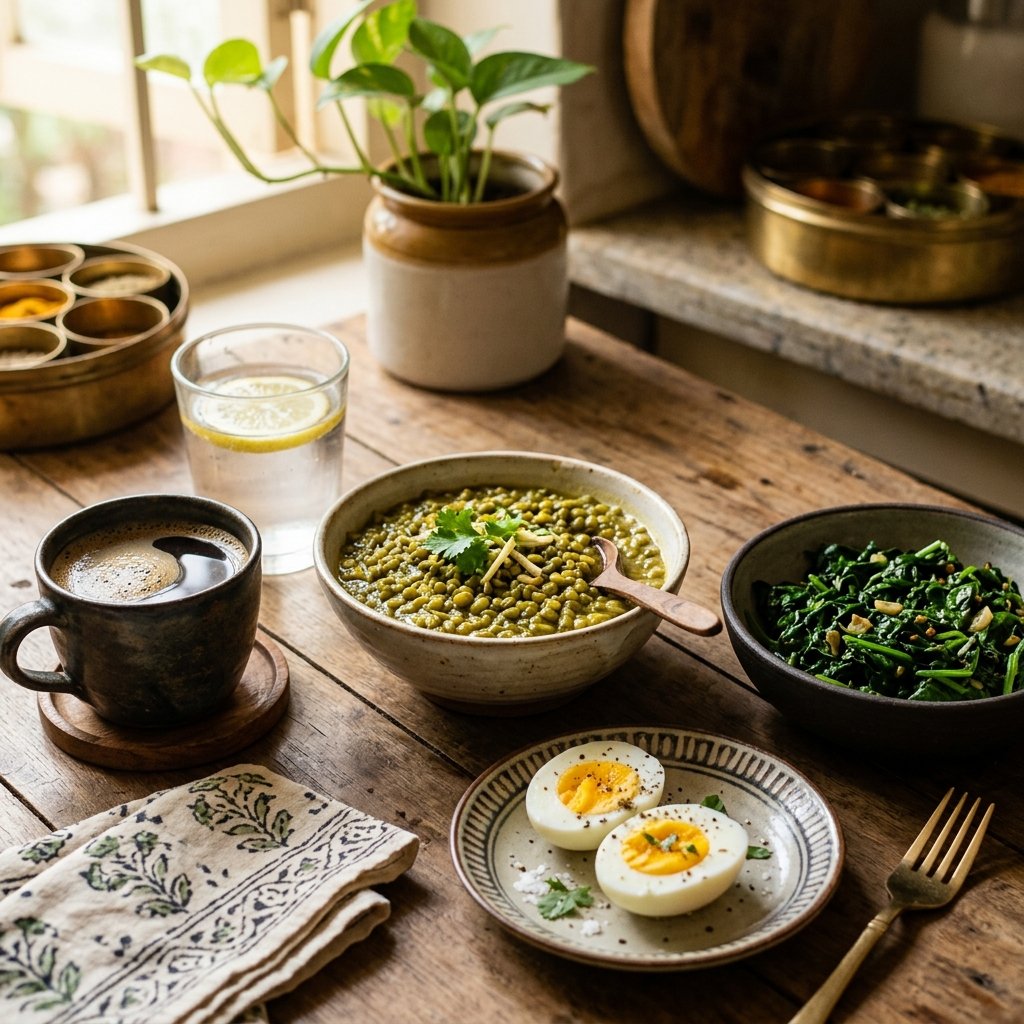
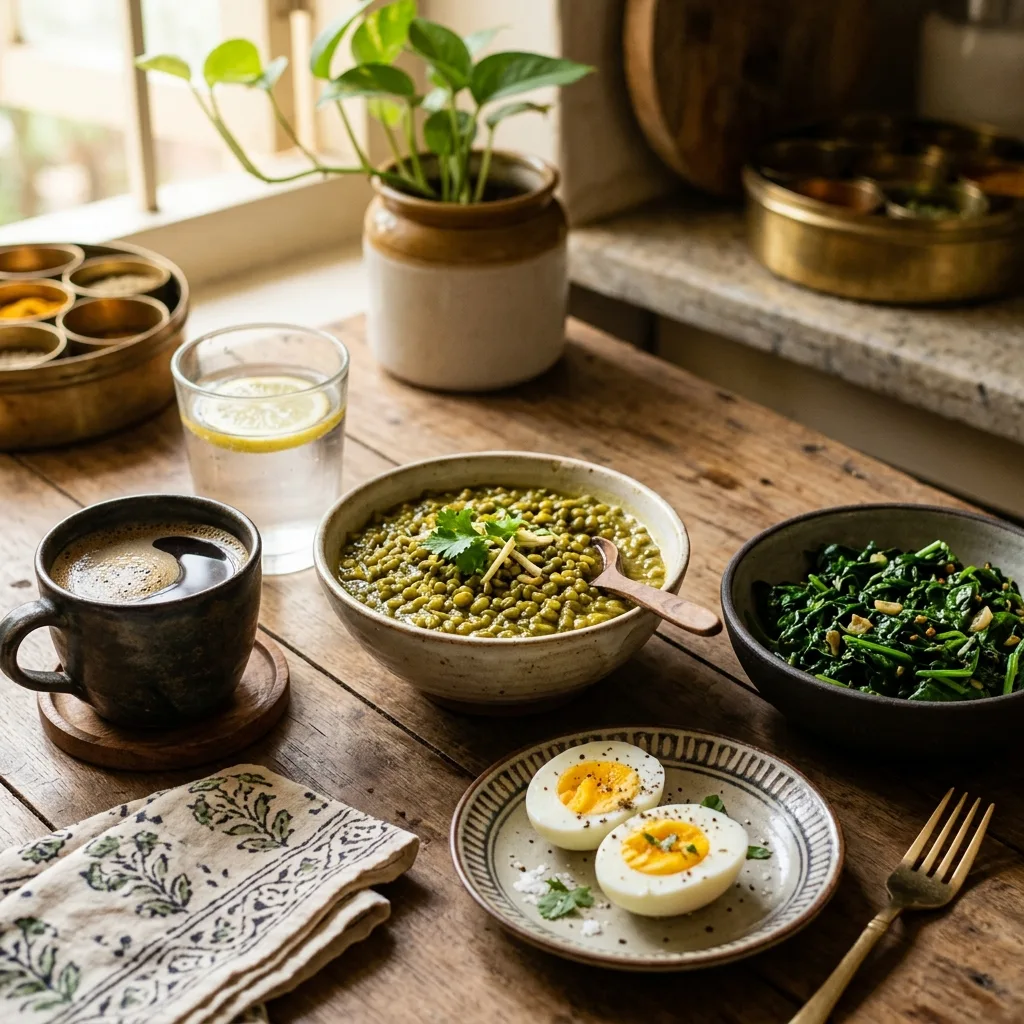
3. Raise protein at every meal. Dal, chana, eggs, paneer, and lean meat each meal — protein suppresses hunger and gives the liver the building blocks it needs to heal.
4. Move every single day. A daily thirty-to-forty-minute walk, or any exercise, is enough to shift the metabolic balance. Post-meal walks are a particularly underrated lever.
5. Drink coffee, skip alcohol. Regular coffee is one of the few dietary items with repeated evidence of liver protection. With alcohol, the answer is simple: stop while the liver heals.
6. Address the neighbours. High cholesterol, high triglycerides, high blood pressure, and prediabetes travel with this condition — improving one improves all. That is the hidden blessing: one set of habits treats five problems at once.
Track your progress like a metric, not a feeling: weight weekly, and ask your doctor to repeat liver enzymes and an ultrasound in six to twelve months. Seeing the numbers move is the strongest motivator for staying on the plan.
The Indian diet angle for fatty liver
Traditional Indian meals — dal, roti, sabzi, rice, chana — are genuinely liver-friendly. The damage comes from the modern additions:
Sweetened chai and drinks — sugar in tea, packaged juices, and colas is the top dietary driver of liver fat. Refined maida snacks — biscuits, namkeen, and bakery items supply empty carbs that become liver fat. Oversized carb portions, undersized protein — a carbohydrate-heavy plate with a small dal side is the classic Indian pattern that needs only a small rebalance.
The practical swap list: make dal the container-sized main dish, cut roti and rice to a fist-sized portion, snack on roasted chana and fruit, and drop bottled drinks entirely. This is not a fad diet — it is the existing Indian diet, rebalanced by about thirty percent.
A few extra habits that move the needle
Beyond the core six steps, small additions accelerate the reversal and make it sustainable:
Meal timing. Giving your metabolism a nightly break — a twelve-to-fourteen-hour window overnight with no food — has emerging evidence for reducing liver fat. Stopping food after 8 p.m. and delaying the first bite in the morning is a low-effort habit that requires nothing but a clock.
Interleaved training. A short bout of brisk walking or bodyweight exercise right after meals blunts the post-meal sugar and fat spike more than the same exercise done hours away. Even ten minutes counts — chapatis and dal followed by a short stroll is a genuinely liver-friendly pattern.
Screening the home. The people most likely to develop the condition are the ones eating the same meals you eat. Making the household swap — whole grains instead of maida, no bottled drinks, bigger dal sides — means the diet change survives, because it stops being a lonely special diet and becomes simply how the family eats.
Myths that stall progress
A few widely repeated beliefs quietly derail people who are trying to reverse this diagnosis:
Myth 1: “Lemon water and detox drinks cleanse the liver.” The liver does not need cleansing — it needs a break. Detox drinks are mostly sugar, and the ones that have any effect at all are simply promoting the same habits (cutting sugar, hydrating) that you should be doing anyway. Save the money.
Myth 2: “I just need to lose weight once, then I can go back to normal.” The fat returns the moment the habits that caused it return. This is a maintenance condition, not a one-time cleanup — the people who stay reversed treat it as a permanent but easy shift in portion and snack habits.
Myth 3: “Fatty food causes fatty liver.” Not the way people think. Excess calories from any source — especially sugar and refined carbs — become liver fat. A plate of deep-fried snacks is bad, but the surprising culprit is usually the sweetened drink and the third chapati, not the oil itself.
Myth 4: “No pain means nothing is wrong.” The entire danger of this condition is that it is silent until late. If you are relying on symptoms to tell you whether the disease is progressing, you are relying on the wrong signal — the blood test and ultrasound are the only honest meter.
Frequently asked questions about fatty liver
Is it reversible?
Yes, in the vast majority of cases. Until significant scarring has developed, liver fat is storage that can be mobilised. A 7 to 10 percent weight loss with sustained habit change consistently reduces liver fat and normalises liver enzymes.
How long does it take to reverse it?
Visible improvement can appear within three to six months of steady weight loss and sugar reduction. Full reversal is typically a matter of a year or more of consistent habits — the longer you have had it, the longer the road back.
Are eggs bad for the liver?
No. Eggs are a high-quality protein that supports liver repair, and current evidence finds no harm with normal consumption. The foods to prioritise cutting are added sugar, refined carbs, and fried foods.
Can it cause pain?
Mild to moderate disease usually does not. Some people feel a dull fullness or ache under the right ribs. Sharp or severe pain is not typical and should be checked separately.
Does it always lead to cirrhosis?
No. Only a minority progress to significant scarring, and progression can be stopped and reversed with weight loss and metabolic improvement. Cirrhosis is not the default outcome — it is the outcome of years of doing nothing.
Is this the same as cirrhosis?
No. Fat accumulation is the early storage problem; cirrhosis is the late stage where scarring has replaced working liver tissue and is largely irreversible. Reversibility is why catching it early is everything.
Should I avoid rice completely?
No. A fist-sized portion of rice with a protein-rich sabzi or dal is fine. The problem is oversized carb portions with tiny protein sides, across every meal — rebalance that, and rice stops being the enemy.
Who should get screened?
Anyone with belly fat, high triglycerides, diabetes, or a family history should ask for a liver check at their annual physical — a simple blood test and ultrasound catch it years before symptoms.
Bottom line
Fatty liver is arguably the most reversible major health condition you can have, and the fix is entirely within your control: lose weight slowly, cut sugar and refined carbs, raise protein, move daily, and fix the blood-panel neighbours that travel with it. It takes months, not weeks — but it works.
Sources and references
- National Institute of Diabetes and Digestive and Kidney Diseases: NAFLD
- NHS: Non-alcoholic fatty liver disease
- British Liver Trust: Fatty liver disease
- Centers for Disease Control and Prevention: NAFLD
- Johns Hopkins Medicine: NAFLD
- High Cholesterol: The Complete Guide on Dangit
- High Triglycerides: The Complete Guide on Dangit
- Prediabetes: The Complete Guide on Dangit
- High Uric Acid: The Complete Guide on Dangit
- High Blood Pressure: The Complete Guide on Dangit
Read next on Dangit: acidity home remedies that work fast, ways to improve digestion naturally.






[…] Fatty Liver: The Complete Guide (Symptoms, Stages, Diet, and Reversal) […]
[…] Fatty Liver: The Complete Guide […]