An earthquake gives little or no warning, so preparation matters most before the shaking starts. Most injuries happen from falling objects, not from building collapse. A few simple steps at home can reduce that risk and help your household recover faster.
Before: secure your home
- Fix tall furniture, bookcases and cupboards to walls.
- Store heavy items on lower shelves.
- Keep beds away from windows and heavy wall hangings.
- Check gas lines, water connections and electrical fittings with a qualified person.
- Learn where to turn off gas, water and electricity.
Before: prepare an emergency kit
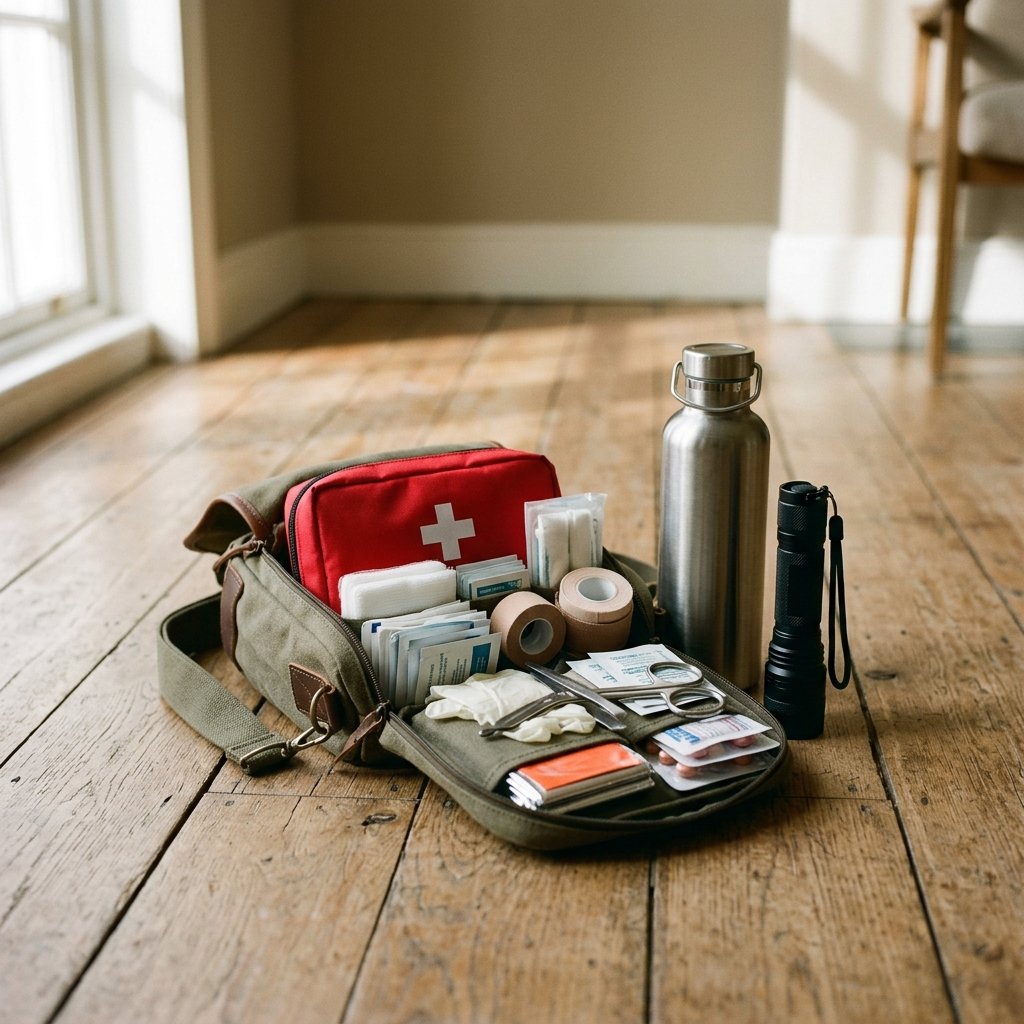
- At least three days of drinking water, about 3 litres per person per day
- Non-perishable food that needs no cooking
- A torch and spare batteries
- A first aid kit and any regular medicines
- Copies of important documents in a waterproof bag
- A whistle, phone power bank and a radio
During: drop, cover and hold
Drop to your hands and knees, cover your head and neck under a sturdy table if one is nearby, and hold on until the shaking stops. Stay away from windows, outside walls and objects that could fall. Do not run outside while the building is shaking.
After: stay safe
- Check yourself and others for injuries, and give first aid where you can.
- Expect aftershocks. Move carefully and check for damage before going back inside.
- If you smell gas, open windows and leave, then report it to the utility.
- Follow official instructions from local authorities and use your radio for updates.
Frequently asked questions
Is it safe to stay in a building during an earthquake?
In most cases yes, if you take cover where you are. Leaving during shaking increases the risk of falling debris.
How do I prepare children?
Practise drop, cover and hold together, and agree on a meeting place outside the home. Explain the plan in simple words.
This article is for general information only. Follow the guidance of your local emergency services.