










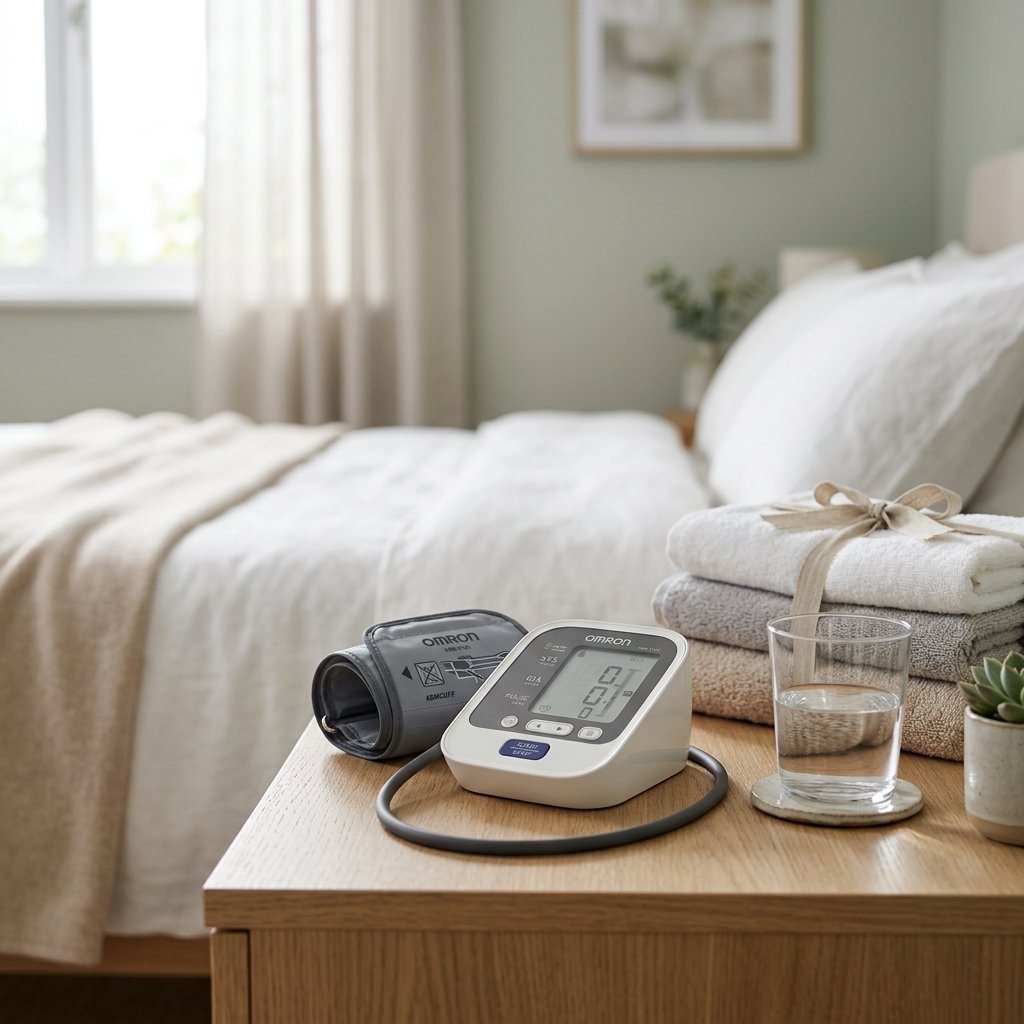
High blood pressure, or hypertension, is one of the easiest serious conditions to miss and one of the easiest to control. Roughly one in three adults worldwide lives with it, yet nearly half of them do not know they have it. If you catch it early and act on what the evidence actually supports, you can cut your risk of heart attack, stroke, and kidney damage dramatically.
This guide covers what the numbers mean, the symptoms you cannot rely on, the causes that matter most (including factors specific to India), and the step-by-step changes with the strongest proof behind them.
What is blood pressure, in plain terms
Blood pressure is the force your blood pushes against the walls of your arteries with every beat of your heart. It is recorded as two numbers:
- Systolic (top number): the pressure when your heart contracts and pumps blood.
- Diastolic (bottom number): the pressure when your heart relaxes between beats.
Pressure is measured in millimetres of mercury (mmHg). A reading of 120/80 mmHg is read as “120 over 80.”
When that pressure stays high day after day, it damages the inner lining of your arteries. Over years, this damage raises your risk of heart attack, stroke, heart failure, kidney disease, and vision loss. The damage happens silently, which is why hypertension is often called the silent killer.
Blood pressure numbers explained: the chart
There are two widely used classification systems. To keep things simple, this guide uses the categories below, which combine the 2017 American College of Cardiology / American Heart Association (ACC/AHA) guidelines and the World Health Organization (WHO) thresholds used in India and across Europe.
| Category | Systolic (top) | Diastolic (bottom) | What to do |
|---|---|---|---|
| Normal | Less than 120 | And less than 80 | Keep up healthy habits |
| Elevated | 120–129 | And less than 80 | Start lifestyle changes now |
| Stage 1 hypertension | 130–139 | Or 80–89 | See a doctor; lifestyle changes usually first |
| Stage 2 hypertension | 140 or higher | Or 90 or higher | See a doctor promptly; medication is often needed |
| Hypertensive crisis | Higher than 180 | Or higher than 120 | Emergency care now |
Notes that matter in practice:
- Many guidelines used in India (WHO, and the national India Hypertension Control Initiative) diagnose hypertension at 140/90 and treat to a target below 140/90.
- The ACC/AHA system is stricter, calling stage 1 hypertension a reading of 130/80 or higher.
- A single high reading is not a diagnosis. Your doctor confirms hypertension when readings stay high on repeated checks on different days, or with 24-hour monitoring.
The symptom trap: why most people feel fine
Most people with high blood pressure have no symptoms, even when their numbers are dangerously high. Headaches, dizziness, or nosebleeds are rarely caused by everyday high blood pressure. By the time visible symptoms appear (like severe headache, chest pain, or shortness of breath), the pressure is often already at crisis level.
The practical takeaway: you cannot feel your blood pressure. The only reliable way to know is to measure it. Experts advise that every adult should have their blood pressure checked at least once a year, and more often if you have risk factors.
What causes high blood pressure
Most adult hypertension has no single identifiable cause; it builds over years from a mix of genetics and lifestyle. Doctors call this primary (essential) hypertension. A smaller number of cases are caused by another condition, such as kidney disease or a hormonal problem; this is secondary hypertension.
The risk factors with the strongest evidence:
- Age. Blood pressure tends to rise with age as arteries stiffen.
- High salt intake. In India, average salt consumption is well above the WHO recommended maximum of 5 g a day (about one teaspoon). Salt draws water into your bloodstream, raising volume and pressure.
- Family history. If a parent or sibling has hypertension, your own risk is higher.
- Overweight and obesity. Extra weight means more tissue to supply with blood, so the heart works harder.
- Physical inactivity. A sedentary routine weakens the cardiovascular system.
- Tobacco and alcohol. Smoking temporarily spikes pressure and damages artery walls; regular heavy drinking raises resting pressure.
- Stress and poor sleep. Chronic stress hormones and short, poor-quality sleep both nudge pressure up.
- Diabetes and kidney disease. These conditions frequently travel together with hypertension. You can track the new research on related conditions in our health and science sections.
Evidence from the India Hypertension Control Initiative, one of the largest national hypertension programmes ever run, shows that hypertension now affects roughly one in three Indian adults, and that large numbers remain undiagnosed, untreated, or not controlled. That gap is worth closing; you can start by simply getting your numbers checked.
How high blood pressure damages the body
Over years, sustained pressure harms several organs at once:
- Heart. The heart muscle thickens and works harder, raising the risk of heart attack and heart failure.
- Brain. Damaged arteries raise the risk of stroke, both from clots and from bleeding.
- Kidneys. The kidneys filter your blood through delicate vessels that hypertension scars over time, quietly leading to kidney failure.
- Eyes. Small vessels in the retina can bleed or leak, damaging vision.
This is why hypertension is treated as a whole-body disease, not a number on a cuff. The good news is that the same measures that lower a reading by a few points reduce risk across all of these organs.
How to lower blood pressure: what the evidence supports
If your numbers are elevated or at stage 1, lifestyle changes are often the first line of defence. Even where medication is needed, these habits make the drugs work better. The reductions below reflect what systematic reviews consistently report.
1. Cut salt, not just “salty snacks”
Salt hides in bread, pickles, sauces, processed meat, packaged snacks, and restaurant food. Cutting sodium to under 5 g of salt a day lowers systolic pressure by roughly 5–6 mmHg on average, and up to twice that in people with very high starting pressures. A simple habit: taste food before you add salt, and read sodium figures on packets rather than trusting labels like “low salt.”
2. Follow the DASH-style eating pattern
The DASH diet (Dietary Approaches to Stop Hypertension) is the most studied eating pattern for blood pressure. It means plenty of vegetables, fruit, whole grains, beans, and low-fat dairy, with less red meat, sugar, and saturated fat. In trials it lowers systolic pressure by about 8–11 mmHg. Folate-rich leafy greens are a core part of the pattern, and you can see why the body depends on folic acid in our explainer. You do not need a special product; you need vegetables and fruit at most meals, and smaller helpings of salt and processed food.
3. Move for 30 minutes a day
Regular aerobic activity such as brisk walking, cycling, or swimming lowers resting blood pressure by about 5–8 mmHg. Thirty minutes a day, five days a week, is the standard target, and it is more about consistency than intensity.
4. Lose excess weight
For every kilogram of body weight lost, systolic pressure drops by roughly 1 mmHg, and the effect is larger in people who are substantially overweight. Reaching even a modest 5–10% body weight reduction is meaningful.
5. Limit alcohol and stop tobacco
Cutting alcohol to no more than one drink a day (less for women) lowers pressure, and stopping smoking does not lower the number much but dramatically cuts your total heart attack and stroke risk.
6. Sleep and stress
Treating obstructive sleep apnoea and getting regular sleep helps control pressure, and stress-reduction practices (including breathing exercises and physical activity) modestly lower readings. These support, but do not replace, the other changes above.
When medication is needed
At stage 2, or at stage 1 with diabetes, kidney disease, or a high total cardiovascular risk, doctors usually prescribe medication alongside lifestyle changes. The most common classes are ACE inhibitors, ARBs, calcium channel blockers, and diuretics. What matters most is this:
- Take your medication every day, at the same time, even when you feel fine.
- Never stop or change your dose on your own. Many people stop once their numbers improve and relapse quickly.
- If the drugs cause side effects, ask your doctor to adjust the plan. There are many options, and finding the right one is routine.
How to measure your own blood pressure correctly
Home monitoring is strongly recommended by the WHO and by Indian guidelines. To get a reading worth trusting:
- Use a validated upper-arm cuff, not a wrist device or a phone app.
- Sit quietly for five minutes before measuring, with your back supported and feet flat.
- Rest your arm on a table so the cuff is at heart level.
- Take two readings a minute apart, morning and evening, for a week before you judge your numbers.
- Record the readings; a log is far more useful to a doctor than a single number.
When to go to the emergency room
Go to an emergency department immediately if your blood pressure is above 180/120 and you also have chest pain, breathlessness, severe headache, changes in vision, weakness on one side of the body, or difficulty speaking. These are signs of a hypertensive crisis and need urgent medical care, not home remedies.
Frequently asked questions
What is a normal blood pressure by age?
For most adults, the healthy target is below 120/80 mmHg. Some older adults are treated a little less aggressively to avoid dizziness and falls. Age matters far less than risk factors such as diabetes or kidney disease; your doctor sets your personal target.
Is 130/90 high blood pressure?
Under the ACC/AHA system, yes, 130/90 is stage 1 hypertension. Under the WHO and Indian threshold of 140/90, it is “elevated” and still worth acting on. Either way, repeat readings and a doctor’s opinion are the right next step.
Can high blood pressure be cured, or only controlled?
For most people it is controlled, not cured: lifestyle changes and (if needed) medication keep it in range for life. After significant weight loss, some people reduce or stop medication under medical supervision, but the condition tends to return if the healthy habits stop.
Does drinking water lower blood pressure?
Drinking water treats dehydration-related pressure dips, not chronic hypertension. Staying well hydrated is healthy, but water is not a treatment for high blood pressure. Salt reduction, DASH eating, and exercise are.
Can stress or anxiety cause high blood pressure?
Stress causes temporary spikes, not chronic hypertension on its own. However, chronic stress fuels the habits that do cause it: poor sleep, overeating, alcohol, and inactivity. Managing stress supports every other treatment.
What is the fastest way to lower blood pressure at home in an emergency?
There is no safe “fast” fix. If a reading is very high, sit, breathe slowly, and call a doctor or emergency services rather than guessing. Home remedies do not treat crisis-level pressure.
Bottom line
Hypertension rarely announces itself, so the single most powerful step is to get measured. A quick, painless check tells you where you stand. If your numbers are up, the evidence-backed routine is simple: less salt, more vegetables and fruit, daily movement, a sensible weight, limited alcohol, no tobacco, good sleep, and a doctor who tunes your treatment to you. Every month you keep pressure in range is a month of protection for your heart, brain, and kidneys.
One clarification worth keeping straight: a single elevated reading at a clinic is not a diagnosis ? so-called white-coat hypertension is common, and the reverse (normal readings at the clinic but high values at home) happens too. That is exactly why guidelines built on home monitoring ask for readings on different days, at different times, before labeling anyone hypertensive. Bring your own log to the appointment ? seven days of home readings changes the conversation from a momentary guess into an honest record, and honest records are what good treatment decisions are built on.
Sources and references
This guide draws on guidelines and research from major health authorities:
- World Health Organization ? Hypertension fact sheet
- World Health Organization ? Salt reduction
- 2017 ACC/AHA Hypertension Guideline
- NHLBI ? DASH Eating Plan
- MedlinePlus ? High blood pressure
- CDC ? High blood pressure
This article is for general information only and is not medical advice. If you are concerned about your blood pressure, speak to a qualified doctor, who can diagnose and treat you appropriately.
Read next on Dangit: ways to improve digestion naturally.
Explore more on Dangit: health, technology, science, nature, featured, lifestyle, society, the local business directory and more reading.







[…] is a companion to our complete introduction to high blood pressure and hypertension — read that first if you are new to your […]
[…] See also: Sodium and High Blood Pressure: The 7-Day DASH Diet Guide and High Blood Pressure (Hypertension): The Complete Evidence-Based Guide. […]
[…] See also: Sodium and High Blood Pressure: The 7-Day DASH Diet Guide and High Blood Pressure (Hypertension): The Complete Evidence-Based Guide. […]
[…] See also: Sodium and High Blood Pressure: The 7-Day DASH Diet Guide and High Blood Pressure (Hypertension): The Complete Evidence-Based Guide. […]
[…] See also: Sodium and High Blood Pressure: The 7-Day DASH Diet Guide and High Blood Pressure (Hypertension): The Complete Evidence-Based Guide. […]
[…] or abnormal cholesterol — these travel together with diabetes. In fact, type 2 diabetes and high blood pressure are so closely linked that doctors treat them as one metabolic […]
[…] type 2 diabetes, you already know this fight. Read our complete guide to type 2 diabetes and our evidence-based guide to high blood pressure — the diet and lifestyle advice in all three reinforces the same core: less salt and refined […]
[…] High Blood Pressure: The Complete Guide on Dangit […]
[…] High Blood Pressure: The Complete Guide […]
[…] High Blood Pressure: The Complete Guide […]
[…] with a doctor first. For context on managing your numbers, our guide on high fasting sugar and our high blood pressure guide explain the conditions hijama advocates often claim to […]
[…] a wider look at the figures who built modern India, our guides to evidence-based health topics and practical tech tools cover the same approach: primary evidence, clear reasoning, and a […]